





American Lady
Vanessa virginiensis
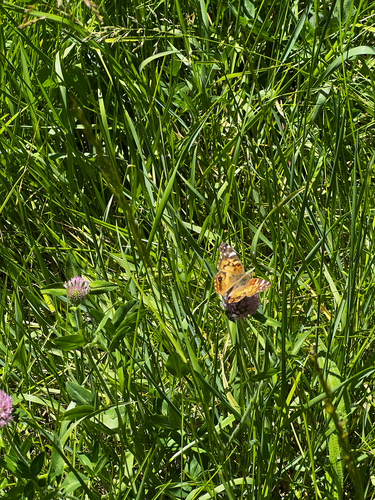
The American Lady is a beautiful butterfly with orange and black wings. They love to flutter around gardens and fields, sipping nectar from flowers.
Habitat: Gardens and fields
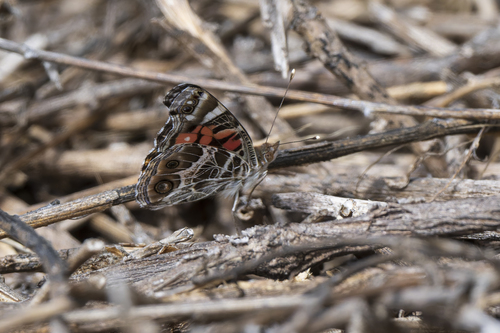
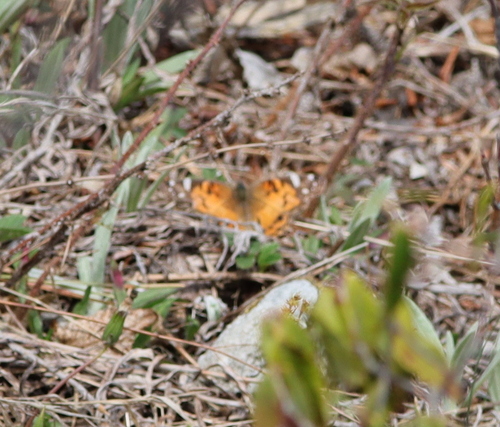
The American Lady has vibrant orange wings patterned with black and white spots. Its hindwings feature two to four large, striking blue spots, visible on the underside. The forewings have a distinct white patch near the wingtip, making it visually different from similar painted lady butterflies.
Category
InsectsRarity
Common
Danger
1/5 · Very low
Snaps
97
Adult American Ladies are often seen 'puddling,' sipping mineral-rich water from damp soil.
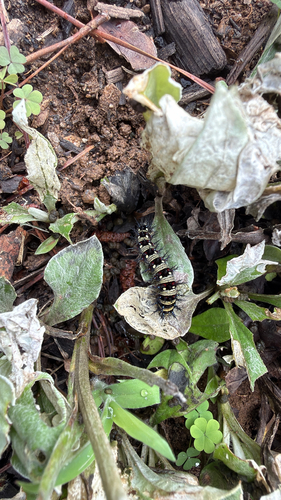
American Lady caterpillars build clever silk 'tents' for safe shelter on their host plants!
These butterflies are one of the earliest butterflies to appear in spring!
They use their special straw-like proboscis to sip sweet nectar from various flowers.
American Lady can fly hundreds of miles each season because of their strong wings, helping them find food and warm weather.
American Lady has mottled brown and grey hindwings that help them blend perfectly into tree bark or dead leaves, avoiding hungry birds.
American Lady has bright blue 'eyespots' on their lower wings that can surprise predators, giving them a chance to escape quickly.
American Lady caterpillars can eat plants like Pearly Everlasting, which are toxic to many other creatures.
Adults sip nectar; caterpillars munch on leaves, especially thistle and everlasting plants!
Age differences: Larvae (caterpillars) eat plant leaves, while adults drink flower nectar using a long proboscis.

Anaphalis margaritacea
Caterpillars feed on its leaves.
Cirsium arvense
A primary food source for caterpillars.
.jpg&width=800)
Symphyotrichum novae-angliae
Adults drink nectar, aiding pollination.
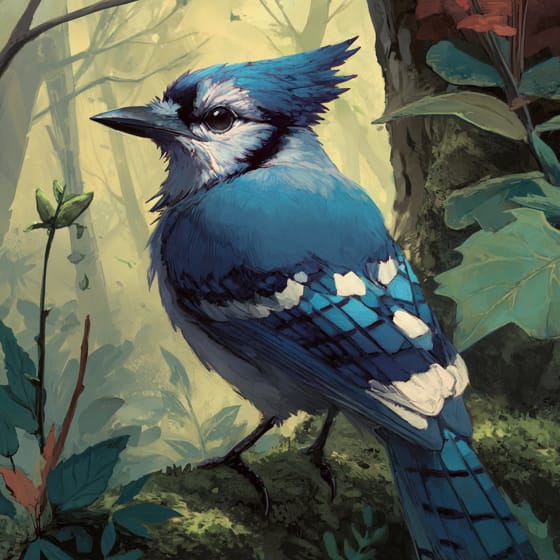
Cyanocitta cristata
Birds are common predators of adult butterflies.
Argiope aurantia
Butterflies can get caught in their webs.
Marked with spots or patches of a different color.
Colorful describes organisms or objects displaying a wide range of bright and distinct colors.
Grassland habitats are terrestrial biomes dominated by grasses and herbaceous plants, supporting a variety of grazing animals.
This trait characterizes organisms whose diet consists entirely or primarily of plant material.

Describes plants that are particularly attractive and beneficial to a wide range of pollinating organisms.

Diurnal animals are primarily active during daylight hours, typically resting or sleeping at night.

Migratory animals undertake seasonal movements from one region to another, typically in response to changes in climate or food availability.

This habitat trait indicates species that can coexist with humans in urban and suburban environments, utilizing man-made structures and green spaces.

Describes organisms that transfer pollen, enabling the fertilization and reproduction of plants.
Danger
1/5 · Very low
Always watch butterflies from a distance and don't try to catch them.
The easiest way to identify American Lady is to use the Snappit nature identifier app.
45-70 mm
19-25 mm
10-14 days
10-20 km/h
Adults sip nectar; caterpillars munch on leaves, especially thistle and everlasting plants!
Gardens and fields
Foraging
Zoom in to split clusters and explore where this object has been snapped.
Jun 2, 2026
Ambler Heights Historic DistrictPhoto attribution
(c) David Bartholow, some rights reserved (CC BY)
License: CC BY 4.0 ↗
Image may be shown cropped inside the card frame.
May 27, 2026
Sperryville Historic DistrictPhoto attribution
(c) Brian Gratwicke, some rights reserved (CC BY)
License: CC BY 4.0 ↗
Image may be shown cropped inside the card frame.
May 25, 2026
Bolsa Chica Ecological ReservePhoto attribution
(c) William Walker, some rights reserved (CC BY)
License: CC BY 4.0 ↗
Image may be shown cropped inside the card frame.
May 7, 2026
Sam's Point PreservePhoto attribution
(c) wormgirlnyc, some rights reserved (CC BY)
License: CC BY 4.0 ↗
Image may be shown cropped inside the card frame.

Ohio, US
You might spot Eastern Fox Squirrel and Spotted Lanternfly.
View guide →

Tennessee, US
You might spot House Sparrow, Northern Mockingbird, and Gulf Fritillary.
View guide →

Arkansas, US
You might spot Eastern Gray Squirrel and Asian Lady Beetle.
View guide →

Maryland, US
You might spot Crane-Fly Orchid, Fragile Forktail, and Ebony Jewelwing.
View guide →

Illinois, US
You might spot Brown-Belted Bumble Bee and Eastern Gray Squirrel.
View guide →

California, US
You might spot Monarch, Bee, and Anise Swallowtail.
View guide →
Take the discovery with you
Snap it with Snappit to identify it, learn what makes it special, and add the discovery to your collection.






.jpg&width=800)



