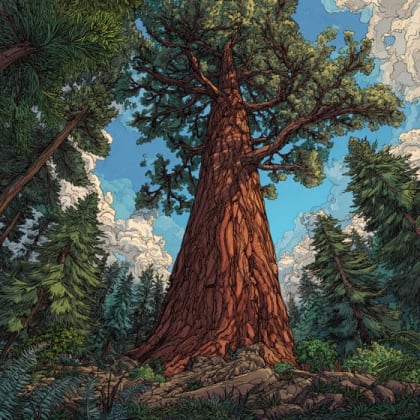





Sequoia

Mineral King is a rugged subalpine valley offering unparalleled Sierra Nevada wilderness adventures.
Mineral King is a rugged subalpine valley offering unparalleled Sierra Nevada wilderness adventures. This glacial valley, nestled in Sequoia National Park, boasts dramatic landscapes and a rich history. It's a sanctuary for those seeking solitude amidst towering granite peaks, pristine alpine lakes, and dense forests.
The valley floor, at an elevation of around 7,500 feet, is a launching point for strenuous but rewarding hikes to shimmering alpine lakes like Franklin Lakes, Monarch Lakes, and Eagle Lake. Hikers can explore vibrant meadows filled with wildflowers, spot elusive wildlife like black bears and marmots, and immerse themselves in ancient groves of giant sequoias at nearby Atwell Grove. The area also features historic mining cabins, adding a unique cultural layer to its natural beauty.
Mineral King promises an unforgettable escape into the High Sierra, challenging adventurers while offering profound tranquility. Its remote location and challenging access road deter casual visitors, ensuring a more intimate connection with nature. The breathtaking vistas, diverse ecosystems, and opportunities for both strenuous treks and peaceful contemplation make it a true gem within California's natural treasures. Enhance your adventure: download the Snappit app to identify the local species you encounter.
Mineral King's history is as rugged as its landscape, first inhabited seasonally by the Yokuts tribe who sought respite from the Central Valley heat, hunting and foraging, and trading with Paiutes from the eastern Sierra. Silver was discovered in the valley in 1872, sparking a mining rush and leading to the construction and improvement of the winding Mineral King Road in 1873. By the late 1880s, the mining boom faded due to harsh winters, frequent avalanches, and difficulty extracting ore, transitioning the valley into a summer recreational community. For decades, Mineral King remained a part of the National Forest system, becoming a popular summer retreat with private cabins. A significant chapter in its history involved a fierce preservation battle in the 1960s, when Walt Disney Productions proposed building a massive ski resort in the valley. This proposal was met with strong opposition from environmentalists, notably the Sierra Club, ultimately leading to its cancellation. As a result of these preservation efforts, Mineral King was incorporated into Sequoia National Park in 1978, securing its protection as a wilderness area. The historic mining camps and towns within the valley, including Silver City and Cabin Cove, are now recognized as the Mineral King Road Cultural Landscape, added to the National Register of Historic Places in 2003.
Hiking: Embark on challenging trails to high alpine passes, lakes, and scenic overlooks. Popular day hikes include Monarch Lakes, Franklin Lakes, Eagle Lake, White Chief Canyon, and Timber Gap.
* **Backpacking: ** Mineral King is a renowned backpacking destination, with multi-day loops offering diverse terrain.
* **Photography: ** Capture the dramatic mountain scenery, alpine flora, and diverse wildlife.
* **Wildlife Viewing: ** Keep an eye out for black bears, marmots, and various bird species.
* **Scenic Drive: ** The 25-mile Mineral King Road itself is an experience, offering panoramic views as it ascends into the valley.
Spring/Early Summer: Snowmelt can lead to wet conditions and active marmots, which are known to chew on vehicle hoses and wiring. Wildflowers begin to bloom.
Summer (July-August): Warm days, ideal for hiking, but nights can be chilly. Bugs (especially mosquitoes) can be present, particularly in early summer.
Fall: Cooler temperatures and potentially fewer crowds. Be prepared for freezing temperatures and early snow. The road typically closes by October.
Mineral King Road is extremely narrow, steep, winding, and partially unpaved, making it unsuitable for RVs and trailers. Most trails are rugged and not wheelchair accessible. An accessible restroom is located at the Lookout Point entrance along Mineral King Road, and one designated accessible campsite is available at Atwell Mill Campground. The Mineral King Ranger Station is accessed by stairs, but a tactile model of the valley is available at ground level.
Hike to stunning lakes like Franklin Lakes, Monarch Lakes, and Eagle Lake, reflecting the surrounding peaks.
Dominating the valley, this jagged 12,343-foot peak is a dramatic backdrop for many hikes.
Explore the preserved cabins in communities like Silver City and Cabin Cove, offering a glimpse into the valley's past.
Witness giant sequoias in this beautiful grove.
Each card links to a full Explore page with photos, traits, and fun facts.
Start with the big picture, then zoom in to explore individual wildlife observations around this place.
Prepare for the road
Mineral King Road is a significant challenge. Ensure your vehicle is in good condition, and be prepared for slow speeds, blind curves, and yielding to oncoming traffic. RVs and trailers are not advised.
Protect your vehicle from marmots
Especially during spring and early summer, wrap the underside of your car with a tarp to prevent marmots from chewing on hoses and wires. Tarps are sometimes available at the ranger station.
Pack layers and be self-sufficient
Elevations range from 7,500 to over 11,000 feet, meaning weather can change rapidly. Days can be warm, but nights are chilly, even in summer. There's no gasoline or electricity, so bring all necessary supplies.
Practice bear safety
Black bears are common in Mineral King. Use bear-resistant food storage containers and follow all park guidelines for food storage and encounters. Bear canisters can often be rented at the ranger station.
Obtain wilderness permits in advance
For overnight backpacking, permits are required, especially during peak season. While some walk-up permits are available, reserving online via Recreation.gov well in advance is highly recommended.
Stay hydrated and acclimatize
The high altitude can affect visitors. Drink plenty of water and allow time to acclimatize, especially if you plan strenuous hikes.
Jun 6, 2026
May 25, 2026
May 24, 2026
May 24, 2026
May 24, 2026

Maryland, US
You might spot White-Tailed Deer and Eastern Gray Squirrel.
View guide →
.jpg)
District of Columbia, US
You might spot Eastern Gray Squirrel, Duck, and House Sparrow.
View guide →

Illinois, US
You might spot American Robin, Canada Goose, and House Sparrow.
View guide →

Virginia, US
You might spot Spotted Lanternfly and Northern Cardinal.
View guide →
Take the discovery with you
Identify the wildlife you spot, learn as you go, and keep a collection of the adventure.