





Pale Swallowtail
Papilio eurymedon
The Pale Swallowtail is a beautiful butterfly with yellow and black wings. It loves to flutter around flowers and can be seen in gardens and meadows during warm days.
Habitat: Gardens and meadows
The Pale Swallowtail has creamy white to pale yellow wings strikingly marked with bold black stripes. Its hindwings feature distinctive, short black 'tails' and often a small, blue and orange eyespot, differentiating it from similar, yellower swallowtails.
Category
InsectsRarity
Common
Danger
1/5 · Very low
Snaps
10
Male Pale Swallowtails often fly to the very top of hills to find a mate!
The 'swallowtail' name comes from the little tail-like shapes on their hindwings!
They are one of the most common swallowtail butterflies found in western North America!
When threatened, their caterpillar shoots out a stinky, orange 'fork' from its head!
The Pale Swallowtail has a long proboscis (a straw-like tongue) that helps them reach sweet nectar deep inside flowers.
Pale Swallowtails can fly quickly and erratically because of their large, powerful wings, that helps them escape from danger.
Pale Swallowtails can taste plants with their feet because they have chemoreceptors there, which helps them find the perfect spot to lay eggs.
Adult butterflies drink flower nectar, while caterpillars munch on leaves from special plants.
Age differences: Larvae (caterpillars) eat leaves, while adults exclusively feed on liquid nectar from flowers.
Frangula californica
Caterpillars feed on its leaves.
Ceanothus integerrimus
A primary host plant for its caterpillars.
Achillea millefolium
Adults visit its flowers for nectar.

Pica pica
Birds can prey on adult butterflies.
Social animals live in organized groups, cooperating for survival benefits such as foraging, defense, and raising offspring.
Colorful describes organisms or objects displaying a wide range of bright and distinct colors.
This trait characterizes organisms whose diet consists entirely or primarily of plant material.
Describes plants that are particularly attractive and beneficial to a wide range of pollinating organisms.

Diurnal animals are primarily active during daylight hours, typically resting or sleeping at night.

This trait identifies organisms that exhibit exceptional swiftness in movement for hunting, escape, or travel.

Describes organisms that transfer pollen, enabling the fertilization and reproduction of plants.
No aliases listed yet.
Danger
1/5 · Very low
Always watch butterflies from a distance so they feel safe and happy.
The easiest way to identify Pale Swallowtail is to use the Snappit nature identifier app.
70-100 mm
30-40 mm
10-20 days
20 km/h
Adult butterflies drink flower nectar, while caterpillars munch on leaves from special plants.
Gardens and meadows
Foraging
Zoom in to split clusters and explore where this object has been snapped.

California, US
You might spot Sequoia, California Newt, and Pacific Dogwood.
View guide →
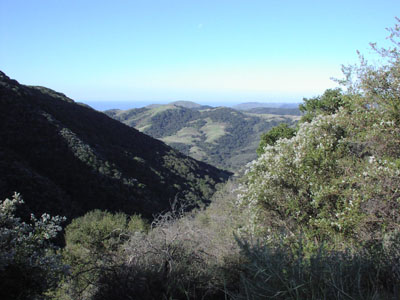
California, US
You might spot Western Fence Lizard and Canyon Sunflower.
View guide →
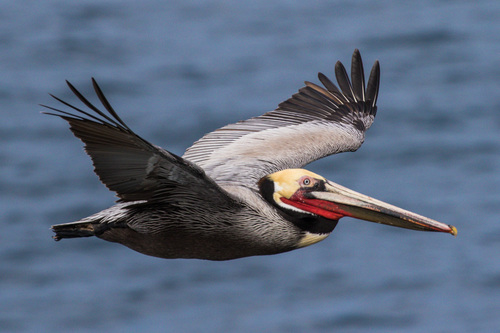
California, US
You might spot Brown Pelican, Black-Crowned Night Heron, and Western Gull.
View guide →

Oregon, US
You might spot Duck, Wood Duck, and Douglas Fir.
View guide →

Montana, US
You might spot Thimbleberry, White-Tailed Deer, and Spreading Dogbane.
View guide →

Montana, US
You might spot Columbian Ground Squirrel, Mule Deer, and Western Redcedar.
View guide →
Take the discovery with you
Snap it with Snappit to identify it, learn what makes it special, and add the discovery to your collection.







.jpg&width=800)



