





Pigeon Guillemot
Cepphus columba
The Pigeon Guillemot is a black and white bird that loves to dive into the ocean for fish! They are great swimmers and can be seen along rocky coastlines.
Habitat: Coastal areas
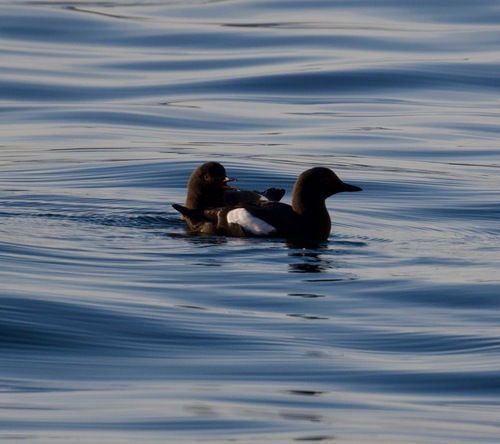
The Pigeon Guillemot is a striking seabird with a sooty black body and vibrant red feet and mouth lining. It has prominent white wing patches that stand out against its dark plumage, making it easily distinguishable from similar-sized auks.
Category
BirdsRarity
Common
Danger
1/5 · Very low
Snaps
19
Guillemot chicks are born with fluffy down and can swim on their own in just two days!
Pigeon Guillemots often lay their eggs in caves or under boulders, not traditional nests!
Their bright red feet and mouth lining glow even brighter during breeding season!
They can sometimes be spotted swimming upside down to peer into rock crevices for food!
Pigeon Guillemot can fly underwater using its wings to chase fish and crabs in coastal waters.
Pigeon Guillemot has speckled eggs that blend into dark rock crevices, keeping them safe from predators.
Pigeon Guillemot can dive over 30 meters deep to hunt for bottom-dwelling prey on the seafloor.
These birds are expert underwater hunters that gobble up fish and marine invertebrates from the sea.
%2C_Point_Lobos%2C_CA%2C_US_-_May_2013.jpg&width=800)
Larus occidentalis
Gulls often prey on Guillemot eggs and chicks in colonies.
Ammodytes hexapterus
A primary food source, caught by diving underwater.
Hexagrammos decagrammus
Frequently targeted fish species found in their coastal habitat.
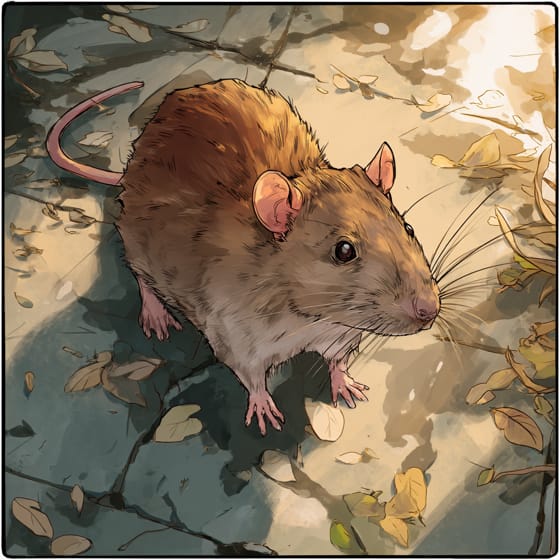
Rattus norvegicus
Introduced rats can raid nests for eggs and chicks.

Haliaeetus leucocephalus
Eagles occasionally prey on adult guillemots or fledglings.
Feathered describes animals, primarily birds, possessing a covering of feathers.
Characterized by having toes connected by a membrane, typically aiding in swimming.
Social animals live in organized groups, cooperating for survival benefits such as foraging, defense, and raising offspring.
Piscivorous organisms are animals that primarily subsist on a diet of fish.

Coastal habitats are dynamic environments located along the interface between land and sea, influenced by tides, waves, and saltwater.

This trait identifies organisms whose diet consists entirely or primarily of animal tissue.

Diurnal animals are primarily active during daylight hours, typically resting or sleeping at night.

Marine habitats encompass all saltwater environments of the Earth's oceans, supporting an immense diversity of aquatic life.
No aliases listed yet.
Danger
1/5 · Very low
Always watch birds from a distance and don't try to touch them.
The easiest way to identify Pigeon Guillemot is to use the Snappit nature identifier app.
30-37 cm
56-62 cm
0.45-0.55 kg
10-15 years
60 km/h
These birds are expert underwater hunters that gobble up fish and marine invertebrates from the sea.
Coastal areas
Zoom in to split clusters and explore where this object has been snapped.
Mar 28, 2026
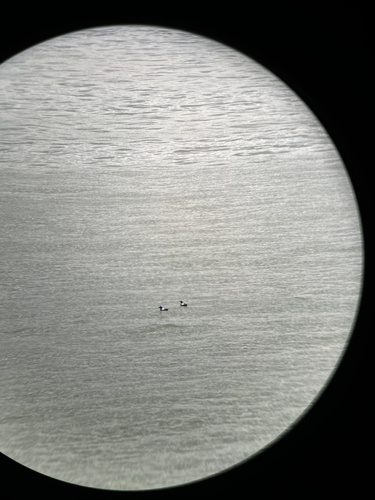
Seattle AquariumPhoto attribution
(c) Mason Holum, some rights reserved (CC BY)
License: CC BY 4.0 ↗
Image may be shown cropped inside the card frame.
Mar 3, 2026
Seattle AquariumPhoto attribution
(c) Jonathan Eisen, some rights reserved (CC BY)
License: CC BY 4.0 ↗
Image may be shown cropped inside the card frame.

US
You might spot Bald Eagle, Common Raven, and Salmonberry.
View guide →

Washington, US
You might spot Rock Pigeon, American Crow, and Olympic Gull.
View guide →

Washington, US
You might spot Sea Otter, Harbor Seal, and Northern Fur Seal.
View guide →

California, US
You might spot Sea Otter, Octopus, and Northern Sea Nettle.
View guide →
California, US
You might spot Sea Otter, Bull Kelp, and Box Jellyfish.
View guide →

US
You might spot Western Gull, Brandt's Cormorant, and Pride Of Madeira.
View guide →
Take the discovery with you
Snap it with Snappit to identify it, learn what makes it special, and add the discovery to your collection.




.jpg&width=800)








