




Pelagic Cormorant
Urile pelagicus
The Pelagic Cormorant is a sleek, black bird that loves to dive underwater to catch fish. You can often see them perched on rocks or floating on the ocean waves, showing off their beautiful greenish eyes.
Habitat: Coastal areas
The Pelagic Cormorant is a slender, medium-sized seabird with glossy, iridescent dark green and purplish-blue feathers. It has a small head, a long, thin neck, and a slender, hooked bill. In breeding season, it sports two distinct white flank patches and a double crest, distinguishing it from other cormorants.
Category
BirdsRarity
Common
Danger
1/5 · Very low
Snaps
9
After a dive, they stretch out their wings to sun-dry their feathers, looking like tiny caped heroes!
Baby Pelagic Cormorants are born without feathers and look like little black dinosaurs!
These amazing birds can dive over 50 meters deep to catch their favorite meals!
They use a special throat pouch to carry multiple fish back to their hungry chicks.
Pelagic Cormorant can propel itself underwater using powerful webbed feet, helping them chase fast-moving fish.
Pelagic Cormorant has special glands near its eyes that filter out salt, helping them drink seawater without harm.
Pelagic Cormorant has wettable feathers that reduce buoyancy, helping them dive deeper and hunt more efficiently underwater.
Pelagic Cormorant can build stick nests on narrow cliff ledges, providing safe havens from predators.
These diving birds mostly eat small fish and marine invertebrates from coastal waters.
Age differences: Young birds are fed by parents and gradually learn to hunt for themselves.

Haliaeetus leucocephalus
Eagles sometimes prey on eggs and young chicks.

Larus glaucescens
Gulls raid nests for eggs and small chicks.
Ammodytes hexapterus
A primary food source, often hunted in schools.
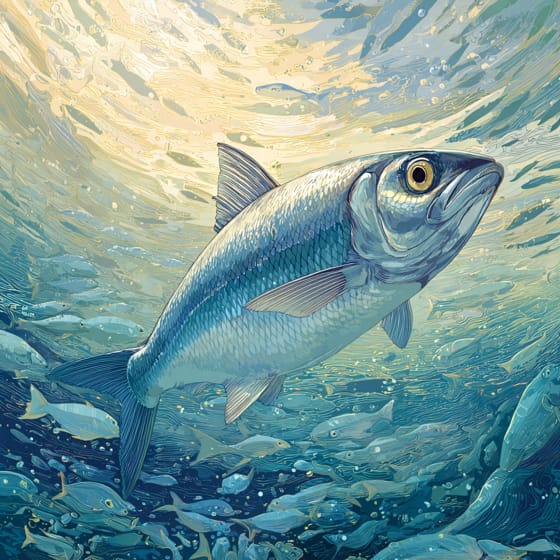
Clupea pallasii
Regularly dives for herring in coastal waters.
Feathered describes animals, primarily birds, possessing a covering of feathers.
Characterized by having toes connected by a membrane, typically aiding in swimming.
Solitary animals live alone for most of their lives, only interacting with others for mating or parental care.
Piscivorous organisms are animals that primarily subsist on a diet of fish.

Coastal habitats are dynamic environments located along the interface between land and sea, influenced by tides, waves, and saltwater.

This trait identifies organisms whose diet consists entirely or primarily of animal tissue.

Diurnal animals are primarily active during daylight hours, typically resting or sleeping at night.

Aquatic habitats encompass environments where organisms live predominantly in water, including oceans, rivers, lakes, and wetlands.

Marine habitats encompass all saltwater environments of the Earth's oceans, supporting an immense diversity of aquatic life.
No aliases listed yet.
Danger
1/5 · Very low
Always watch birds from a distance and don't try to touch them.
The easiest way to identify Pelagic Cormorant is to use the Snappit nature identifier app.
63-76 cm
91-107 cm
1.5-2.5 kg
15-20 years
60 km/h
These diving birds mostly eat small fish and marine invertebrates from coastal waters.
Coastal areas
Zoom in to split clusters and explore where this object has been snapped.
Washington, US
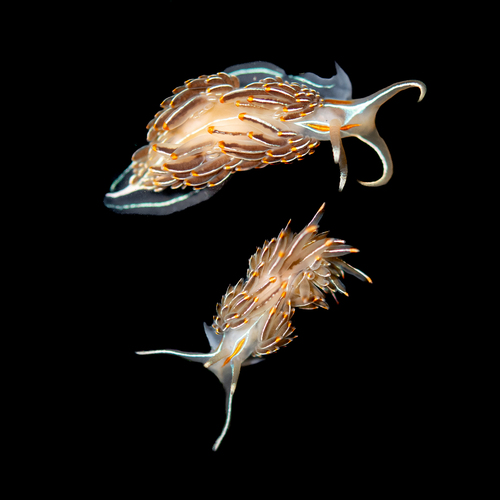
You might spot Horned Nudibranch and Madrone Skin Miner.
View guide →

Washington, US
You might spot Surf Scoter, Horned Grebe, and Salmonberry.
View guide →

California, US
You might spot Sea Otter, Octopus, and Northern Sea Nettle.
View guide →
California, US
You might spot Sea Otter, Bull Kelp, and Box Jellyfish.
View guide →

Alaska, US
You might spot Steller Sea Lion, Harbor Seal, and Tufted Puffin.
View guide →

Washington, US
You might spot Mule Deer, Harlequin Duck, and Pacific Trillium.
View guide →
Take the discovery with you
Snap it with Snappit to identify it, learn what makes it special, and add the discovery to your collection.




.jpg&width=800)








