





Turkey

Moose Hill Wildlife Sanctuary offers an expansive natural escape just outside Boston.
Moose Hill Wildlife Sanctuary offers an expansive natural escape just outside Boston. As Mass Audubon's oldest and largest wildlife sanctuary, it encompasses nearly 2,000 acres of diverse ecosystems, including forests, fields, and wetlands, providing a vital haven for wildlife and a remarkable outdoor experience for visitors. This significant protected area serves as a testament to decades of dedicated conservation work, making it a cornerstone for environmental preservation in the Greater Boston area.
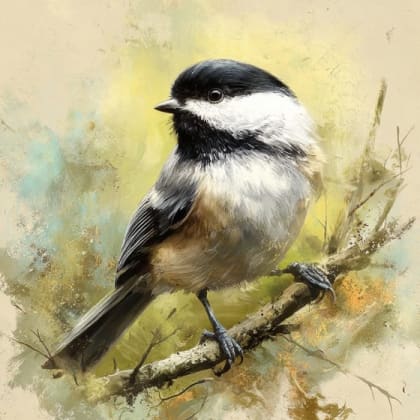
The sanctuary boasts over 20 miles of well-maintained trails that wind through its varied terrain, offering opportunities for exploration and nature observation. A highlight is the Red Maple Swamp, accessible via a picturesque boardwalk, allowing visitors to immerse themselves in this unique wetland habitat. For panoramic vistas, the Bluff Trail leads to a scenic overlook, particularly stunning during fall foliage. The Nature Center and Museum provide educational exhibits, while Cookie's Garden offers a delightful nature play area for younger explorers. The sanctuary is home to a rich array of wildlife, including over 160 documented bird species such as wild turkeys, black-capped chickadees, and northern cardinals, alongside white-tailed deer and various amphibians in its vernal pools.
Visiting Moose Hill Wildlife Sanctuary provides an immersive journey into New England's natural beauty and conservation efforts. Whether you're seeking a peaceful hike, an engaging educational program like maple sugaring or birding, or simply a chance to connect with nature, the sanctuary offers a memorable experience for all ages. Its changing seasonal landscapes, from vibrant spring wildflowers to brilliant autumn leaves, ensure that each visit offers new discoveries and breathtaking photographic opportunities. Turn your visit into a safari! Use the Snappit app to scan and log wildlife sightings here.
Moose Hill Wildlife Sanctuary holds a significant place in conservation history, established in 1916 as the very first wildlife sanctuary of the Massachusetts Audubon Society. Its inception stemmed from an offer by local resident and biologist George W. Field, who dedicated approximately 225 acres of his estate to create a refuge designed to attract birds and foster public interest in ornithology. This pioneering effort built upon Mass Audubon's foundational mission, which began in 1896 with the goal of protecting birds, notably from the destructive plume trade. Over the decades, the sanctuary has undergone substantial expansion through a series of land acquisitions, growing from its initial 225 acres to its current impressive size of nearly 2,000 acres. This continuous growth has ensured the preservation of diverse habitats, including forests, wetlands, and farmlands, enhancing wildlife corridors and safeguarding natural landscapes against development. Moose Hill has since served as a vital model for conservation efforts, emphasizing habitat protection and public access to nature, and is now adjacent to Moose Hill Farm, a preserve owned by The Trustees of Reservations, forming a large contiguous protected area.
Engage in hiking and trail running across diverse habitats, birdwatching for over 160 species, nature photography, and participating in various educational programs such as maple sugaring demonstrations, birding courses, and "Nature Time" for children.
Spring: Witness the blooming of wildflowers, increased activity of wildlife, and the return of migratory birds.
Summer: Look for butterflies and dragonflies, and explore programs focused on reptiles and amphibians. Children's camp programs are also available.
Fall: Experience spectacular autumn foliage, particularly along the Bluff Trail, and observe migrating birds passing through the sanctuary.
Winter: Enjoy peaceful winter strolls, track animal signs, and engage in maple sugaring activities in late winter.
The Nature Center and its restrooms are universally accessible. While some trails near the entrance may be relatively flat, most unpaved trails can present challenges for strollers and wheelchairs. Powered mobility devices are permitted on trails with a day pass.
Explore a unique wetland ecosystem with an accessible boardwalk.
Hike to scenic viewpoints offering expansive views, especially beautiful during peak fall foliage.
Features educational exhibits and serves as a primary visitor hub.
A natural playground designed for children to explore and create.
Each card links to a full Explore page with photos, traits, and fun facts.
Start with the big picture, then zoom in to explore individual wildlife observations around this place.
Arrive early, especially on weekends, to secure parking and enjoy quieter trails for a more serene experience.
Wear sturdy walking shoes or hiking boots, as trails can be unpaved and potentially muddy after rain.
Pack water and snacks for your visit, as there are no food vendors available on-site.
Bring binoculars for an enhanced birdwatching and wildlife spotting experience.
Consider a camera with a good zoom lens to capture wildlife and scenic views.
Always stay on marked trails to protect the sanctuary's sensitive ecosystems and ensure your safety.
Jun 6, 2026
Jun 4, 2026
Jun 3, 2026
Jun 3, 2026
Jun 3, 2026

Maryland, US
You might spot White-Tailed Deer and Eastern Gray Squirrel.
View guide →
.jpg)
District of Columbia, US
You might spot Eastern Gray Squirrel, Duck, and House Sparrow.
View guide →

Illinois, US
You might spot American Robin, Canada Goose, and House Sparrow.
View guide →

Virginia, US
You might spot Spotted Lanternfly and Northern Cardinal.
View guide →
Take the discovery with you
Identify the wildlife you spot, learn as you go, and keep a collection of the adventure.






















.jpg&width=800)




