Giraffes
Nestled within the scenic Papago Park, the Phoenix Zoo offers an unforgettable adventure into the natural world, spanning 125 acres and housing over 3,000 animals representing nearly 400 species.
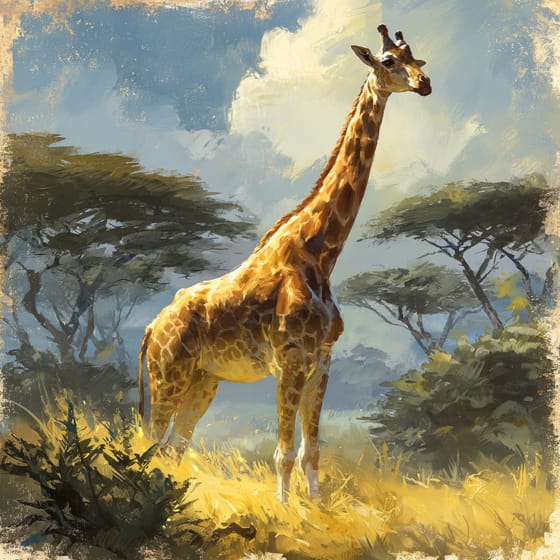
Nestled within the scenic Papago Park, the Phoenix Zoo offers an unforgettable adventure into the natural world, spanning 125 acres and housing over 3,000 animals representing nearly 400 species. This vibrant, privately owned non-profit institution provides an immersive experience where visitors can wander through four distinct themed trails: the Arizona Trail, Africa Trail, Tropics Trail, and Children's Trail. Each path is thoughtfully designed to transport guests to diverse ecosystems, showcasing both native Arizonan wildlife and exotic creatures from around the globe.Prepare to be captivated by magnificent African lions and towering Masai giraffes roaming expansive savanna-like habitats along the Africa Trail, or marvel at the intelligence of Bornean orangutans and the playful antics of squirrel monkeys in the lush environments of the Tropics Trail.
The Arizona Trail celebrates the unique biodiversity of the Sonoran Desert, featuring iconic species like Mexican gray wolves and powerful jaguars amidst impressive saguaro cacti. The Children's Trail, with its engaging petting zoo and interactive exhibits, offers younger visitors a chance for up-close encounters and discovery.Beyond providing captivating animal encounters, the Phoenix Zoo is a dedicated leader in wildlife conservation, actively participating in breeding programs for endangered species such as the Arabian oryx and Mexican wolf.
A visit here is not just an entertaining day out; it's an educational journey that fosters a deep appreciation for wildlife and inspires a commitment to protecting our planet's precious biodiversity. With its commitment to animal welfare, engaging exhibits, and a strong conservation mission, the Phoenix Zoo is a truly enriching destination for all ages. Be ready to snap and learn! Get the Snappit app to identify any nature species you find here.
The Phoenix Zoo, the largest privately owned non-profit zoo in the United States, opened its doors in 1962. It was the personal project of Robert Maytag, a member of the prominent Maytag family, who established the Arizona Zoological Society with the vision of creating a zoo in Phoenix. Tragically, Maytag passed away just months before its grand opening. Initially dubbed the "Maytag Zoo," it was renamed the Phoenix Zoo the following year to strengthen its connection with the local community. Despite facing initial financial challenges in the 1960s, the zoo experienced significant growth throughout the 1970s and 80s, expanding its exhibits, landscaping, and visitor amenities, including the introduction of its signature themed "trails." From its inception, the zoo has been a champion of animal conservation, notably playing a crucial role in bringing the Arabian oryx back from near extinction through its successful captive breeding program.
Explore the diverse habitats across the four trails, attend daily animal presentations and keeper chats to learn more about the residents, and enjoy interactive experiences like the petting zoo. Kids can cool off at splash pads like Yakulla Caverns or Leapin' Lagoon during warmer months. The zoo also hosts seasonal events such as ZooLights during the holidays and "Winter in July" with snow and ice treats for animals and visitors.
Phoenix summers are extremely hot, with temperatures often exceeding 100°F. During this period, the zoo opens early and closes by early afternoon to protect both animals and visitors. Animals tend to be less active during the hottest parts of the day, often seeking shade. Cooler months offer more comfortable walking conditions and often more active animal viewing throughout the day. Always check the zoo's website for updated seasonal hours and event schedules.
The Phoenix Zoo is committed to inclusivity, offering paved pathways and ramps throughout its grounds, making it largely wheelchair and stroller accessible. Wheelchairs and strollers are available for rent at the entrance. The zoo has also partnered with KultureCity to provide sensory bags, quiet zones, and headphone zones for guests with sensory processing needs, and staff are trained to assist them. The Safari Cruiser tram is equipped with a wheelchair lift.
Don't miss the vast African savanna, the lush Tropics Trail with its "Monkey Village" where squirrel monkeys roam freely, and "Predator Passage" for close-up views of African lions and spotted hyenas.
The Arizona Trail offers a unique look at local wildlife like Mexican gray wolves and jaguars.
Other popular attractions include Stingray Bay, the Safari Cruiser narrated tour, and the 4D Theatre.
Each card links to a full Explore page with photos, traits, and fun facts.
Start with the big picture, then zoom in to explore individual wildlife observations around this place.
Arrive Early
Especially during warmer months or peak seasons, arriving right at opening (which can be as early as 7 AM in summer) ensures cooler temperatures and more active animals. It also helps in avoiding crowds and securing parking.
Stay Hydrated and Protected
Phoenix's climate is hot. Bring plenty of water (refillable bottles are great, and fountains are available), wear sunscreen, a hat, and sunglasses. Consider bringing a "chilly pad" or similar cooling item in summer.
Wear Comfortable Shoes
With over 2.5 miles of walking trails, comfortable footwear is essential for an enjoyable visit.
Buy Tickets Online in Advance
Purchasing tickets online can save you time by allowing you to bypass ticket lines at the gate, especially during busy periods.
Utilize Rental Options
If you have young children or mobility concerns, consider renting a stroller, wheelchair, or electric scooter at the entrance to conserve energy while exploring the expansive grounds.
Check for Special Events and Daily Schedules: Before your visit, check the Phoenix Zoo's website or social media for daily animal presentations, keeper chats, special events (like ZooLights or Winter in July), and any changes to hours or habitat closures.
Mar 3, 2026
Mar 3, 2026
Mar 3, 2026
Mar 3, 2026
Mar 3, 2026

Michigan, US
You might spot African Lion, Komodo Dragon, and Brown Bear.
View guide →
.jpg)
Municipal District of Cobh, IE
You might spot Ring-Tailed Lemur, Giraffes, and Cheetahs.
View guide →

Nouvelle-Aquitaine, FR
You might spot Greater Flamingo, Giraffes, and Red Panda.
View guide →

Texas, US
You might spot Giraffes, African Lion, and Eastern Black Rhinoceros.
View guide →
Take the discovery with you
Identify the wildlife you spot, learn as you go, and keep a collection of the adventure.