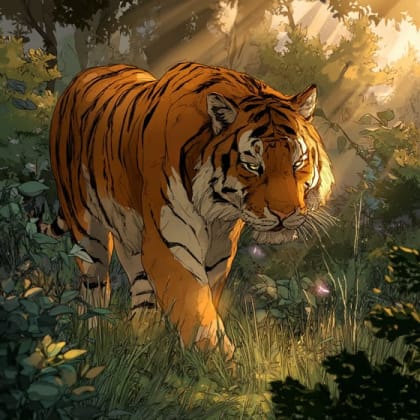





Tiger
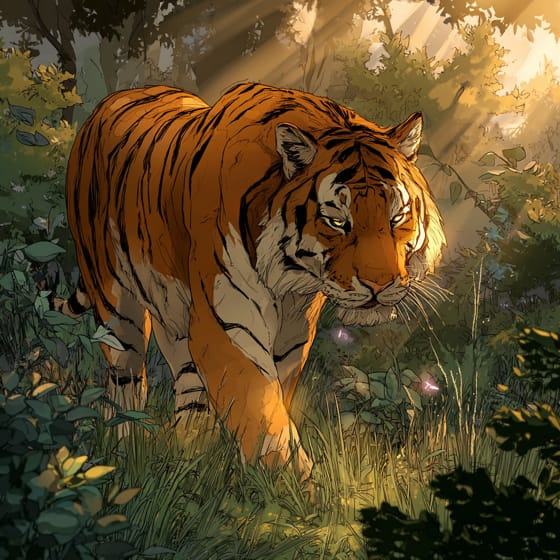
Popcorn Park Zoo is a heartwarming animal sanctuary in New Jersey, offering a unique chance to connect with rescued creatures.
Popcorn Park Zoo is a heartwarming animal sanctuary in New Jersey, offering a unique chance to connect with rescued creatures. This distinctive 7-acre non-profit animal refuge, nestled in Forked River, New Jersey, is dedicated to providing a safe and permanent home for animals that have been abandoned, injured, ill, abused, elderly, or exploited. Visitors embark on a walkable, family-friendly journey where they can learn the compelling stories of over 200 residents, from majestic big cats to playful primates and gentle farm animals. Unlike traditional zoos, Popcorn Park operates primarily as a sanctuary focused on rehabilitation and lifelong care, rather than breeding. Guests can encounter a diverse array of animals, including powerful Bengal and Siberian tigers, regal African lions, agile cougars, and fascinating American black bears, all living in spacious compounds. Beyond the exotic, the park also houses numerous species of monkeys, wallabies, llamas, and native wildlife like white-tailed deer, alongside various farm animals such as horses, goats, and pigs, each with a unique rescue tale. Recent arrivals like Sammy the African Serval and Clifford the Big Red Tegu further showcase the sanctuary's ongoing commitment to animal welfare. The visitor experience is both educational and deeply moving, highlighting the importance of compassion and the impact of human kindness on animal lives. Guests often praise the intimate atmosphere, which allows for closer observation and appreciation of the animals and their individual personalities. While feeding animals popcorn was a past tradition, this practice has been suspended due to the animals' specialized dietary needs, ensuring their continued health and well-being. A visit here is more than just seeing animals; it's an opportunity to support a vital mission and witness firsthand the profound difference a second chance can make. Explore the grounds like a pro—download the Snappit app to instantly identify animals and plants.
Popcorn Park Zoo was established in 1977, born from a singular act of compassion. Its origins trace back to the rescue of an injured raccoon, named Rigby, who had been caught in a leg-hold trap. Due to his severe injuries, Rigby could not be released back into the wild and found a permanent home with the Associated Humane Societies. This initial rescue laid the groundwork for what would become a comprehensive animal refuge. Over the years, Popcorn Park expanded its mission, becoming a haven for thousands of domestic and exotic animals, wildlife, and birds that suffered from abandonment, cruelty, illness, or injury. The facility has grown into a small, 7-acre sanctuary dedicated to providing a safe environment and lifelong care for animals in desperate circumstances.
Enjoy observing the animals and reading their individual rescue stories, which are often displayed. The park offers an opportunity to connect with animals who have found a second chance at life. While animal feeding by visitors has been suspended for health reasons, you can purchase cold drinks, ice cream, popcorn, and peanuts. There is also a picnic area available under the pines.
The park's paths are gravel and dirt, so they might be muddy after rain or snow. During warmer months, it's advisable to wear hats and sunscreen as much of the park lacks shade.
Popcorn Park is wheelchair accessible, but its sandy and gravel terrain can be challenging for standard wheelchairs. To assist visitors, beach terrain wheelchairs are available upon request. Handicapped parking is also available.
Impressive big cat enclosures featuring Bengal and Siberian tigers, and African lions
Diverse primate section, home to various monkeys
American black bears
Rescued farm animals, including horses, goats, and pigs like Hershey
Each card links to a full Explore page with photos, traits, and fun facts.
Start with the big picture, then zoom in to explore individual wildlife observations around this place.
Wear appropriate footwear
The park features gravel and dirt paths, so comfortable, sturdy shoes are recommended, especially after rain when paths can be muddy.
Pack sun protection
With limited shaded areas, bringing sunscreen and hats is advisable, particularly during sunny or warm weather.
Check hours and alerts
Always confirm the current operating hours and check for any special alerts or closures on their official website before your visit, especially following adverse weather conditions.
Consider packing lunch
While snacks and cold drinks are available for purchase, outside food is generally not allowed within the park. You can bring your own lunch to enjoy at the picnic area under the pines or in your car.
Inquire about accessibility
If you require mobility assistance, ask about their beach terrain wheelchairs, which are available to help navigate the sandy paths.
Plan for an hour or two
The park's compact size makes it manageable for a shorter visit, allowing you to comfortably see all the animals without feeling rushed.
Recent snaps will appear here as new observations are added.

Michigan, US
You might spot African Lion, Komodo Dragon, and Brown Bear.
View guide →
.jpg)
Municipal District of Cobh, IE
You might spot Ring-Tailed Lemur, Giraffes, and Cheetahs.
View guide →

Nouvelle-Aquitaine, FR
You might spot Greater Flamingo, Giraffes, and Red Panda.
View guide →

Texas, US
You might spot Giraffes, African Lion, and Eastern Black Rhinoceros.
View guide →