





Ceraunus Blue
Hemiargus ceraunus
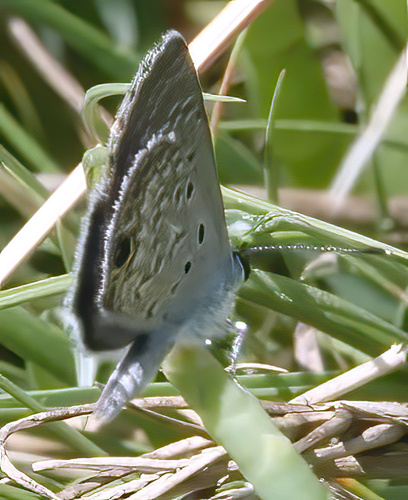
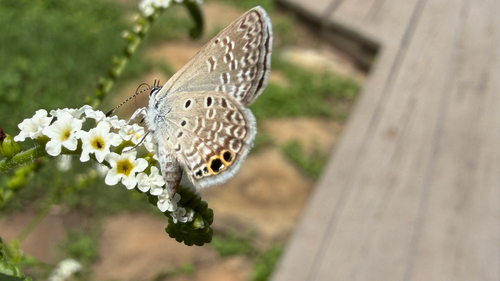
The Ceraunus Blue is a small, beautiful butterfly with bright blue wings. It loves to flutter around flowers and is often seen in gardens and fields, making them a delightful sight!
Habitat: Urban areas
The Ceraunus Blue has iridescent violet-blue upperwings in males, while females are dusky brown with a touch of blue near the body. Its pale grayish-white underwings feature small black spots and faint orange crescents, plus a tiny tail on each hindwing that sets it apart.
Category
InsectsRarity
Common
Danger
1/5 · Very low
Snaps
24
The name 'Ceraunus' comes from a Greek word meaning 'thunderbolt'!
Their tiny caterpillars are sometimes 'farmed' by ants for a sweet treat.
They can overwinter as a pupa, patiently waiting for spring to emerge.
This butterfly is one of the most widespread 'blues' in North America.
Ceraunus Blue can absorb warmth from the sun, which helps them quickly become active and fly, even on cooler days.
Ceraunus Blue has delicate hindwing tails and spots that mimic antennae and eyes, tricking predators into attacking the wrong end.
Ceraunus Blue can complete multiple life cycles in a single warm season, allowing their populations to grow quickly.
Adult Ceraunus Blues sip flower nectar, but their young feast on the leaves of legume plants.
Age differences: Larvae (caterpillars) eat plant leaves, flowers, and seeds; adults drink nectar from flowers.

Chamaecrista fasciculata
Larvae feed on its leaves.

Bidens alba
Adults visit flowers for nectar.
Formica fusca
Ants protect caterpillars for honeydew.
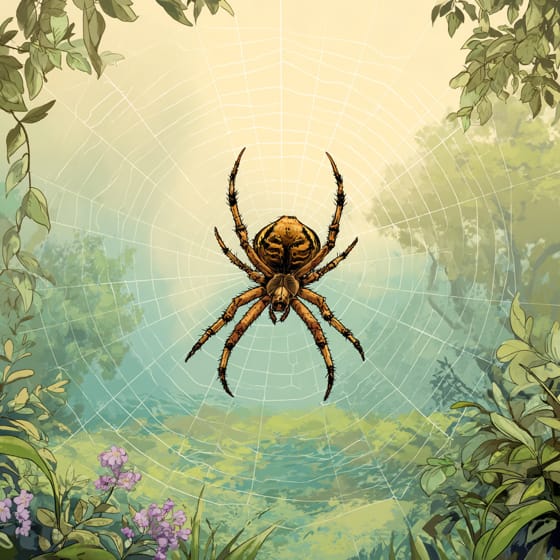
Argiope aurantia
Can be caught in spider webs.
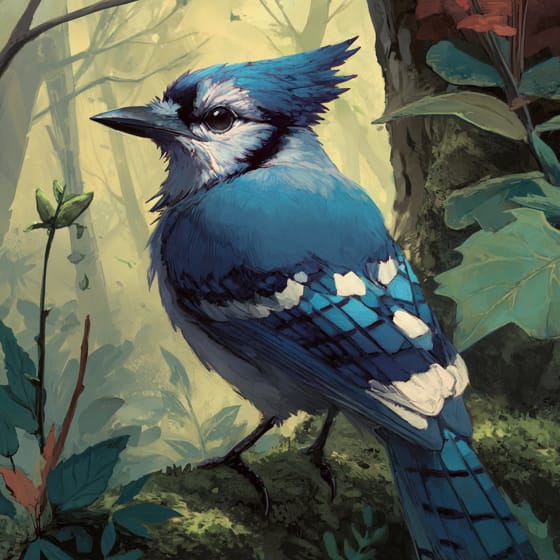
Cyanocitta cristata
Birds prey on adult butterflies.
Aerial creatures spend a significant portion of their lives airborne, utilizing flight for various activities such as hunting, migration, or nesting.
Colorful describes organisms or objects displaying a wide range of bright and distinct colors.
This trait characterizes organisms whose diet consists entirely or primarily of plant material.
Describes plants that are particularly attractive and beneficial to a wide range of pollinating organisms.

Diurnal animals are primarily active during daylight hours, typically resting or sleeping at night.

Pertaining to species that are significantly smaller than typical or average for their kind.

This habitat trait indicates species that can coexist with humans in urban and suburban environments, utilizing man-made structures and green spaces.

Describes organisms that transfer pollen, enabling the fertilization and reproduction of plants.
No aliases listed yet.
Danger
1/5 · Very low
Always watch butterflies from a distance so you don't scare them away.
The easiest way to identify Ceraunus Blue is to use the Snappit nature identifier app.
22-30 mm
10-15 mm
7-21 days
15 km/h
Adult Ceraunus Blues sip flower nectar, but their young feast on the leaves of legume plants.
Urban areas
Foraging
Zoom in to split clusters and explore where this object has been snapped.
Jun 10, 2026
St. Augustine Town Plan Historic DistrictPhoto attribution
(c) Pam Kleinsasser, some rights reserved (CC BY)
License: CC BY 4.0 ↗
Image may be shown cropped inside the card frame.
Jun 6, 2026
Alamo Plaza Historic DistrictPhoto attribution
(c) IDClaire, some rights reserved (CC BY)
License: CC BY 4.0 ↗
Image may be shown cropped inside the card frame.

Florida, US
You might spot American Beautyberry and Brown Anole.
View guide →

Texas, US
You might spot Brown Anole, Gulf Fritillary, and Pond Slider.
View guide →

Arizona, US
You might spot Saguaro and Graham's Nipple Cactus.
View guide →

Texas, US
You might spot Honey Mesquite, Anacua, and Alamo Vine.
View guide →

Florida, US
You might spot Brown Anole, Great Egret, and Snowy Egret.
View guide →

Texas, US
You might spot African Lion, Giraffes, and Hippopotamus.
View guide →
Take the discovery with you
Snap it with Snappit to identify it, learn what makes it special, and add the discovery to your collection.







.jpg&width=800)



