





Common Golden-mantled Ground Squirrel
Callospermophilus lateralis
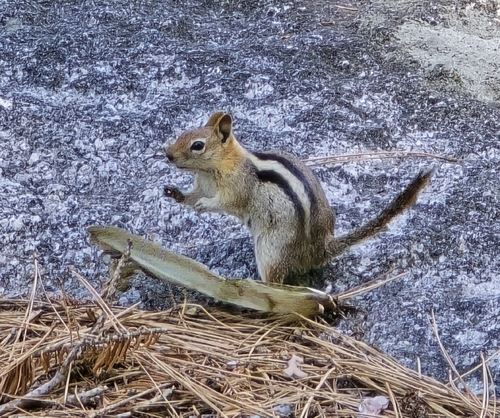
The Common Golden-mantled Ground Squirrel is a small, cute animal with a golden stripe down its back. They love to dig and can often be seen in parks and forests, looking for tasty seeds and nuts.
Habitat: Mountain regions
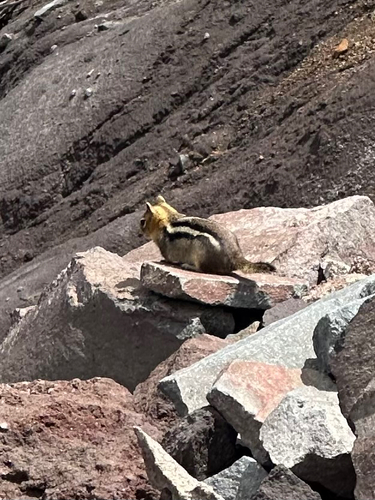
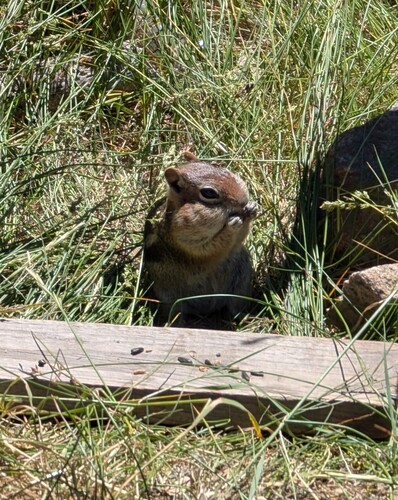
The Common Golden-mantled Ground Squirrel has a bright golden-orange head, neck, and shoulders, resembling a mantle. Its back is greyish-brown with two prominent white stripes, each bordered by thin black lines, running along its sides. This unique pattern makes it visually distinct from other ground squirrels.
Category
MammalsRarity
Common
Danger
1/5 · Very low
Snaps
49
Golden-mantled squirrels line their cozy underground homes with soft grass!
These squirrels sometimes eat insects and even tiny bird eggs!
They communicate using their tails, twitching them to show excitement or alarm!
They stand tall like tiny sentinels to watch for hungry predators!
Common Golden-mantled Ground Squirrels can hibernate for months because this helps them survive cold winters when food is scarce.
Common Golden-mantled Ground Squirrels have expandable cheek pouches that help them carry lots of food to their burrows at once.
Common Golden-mantled Ground Squirrels can dig complex underground burrows that shelter them from predators and extreme weather.
Common Golden-mantled Ground Squirrels can make sharp chirping calls that alert other squirrels to danger.
These omnivores munch on seeds, nuts, insects, and berries, gathering food for their hidden stashes!
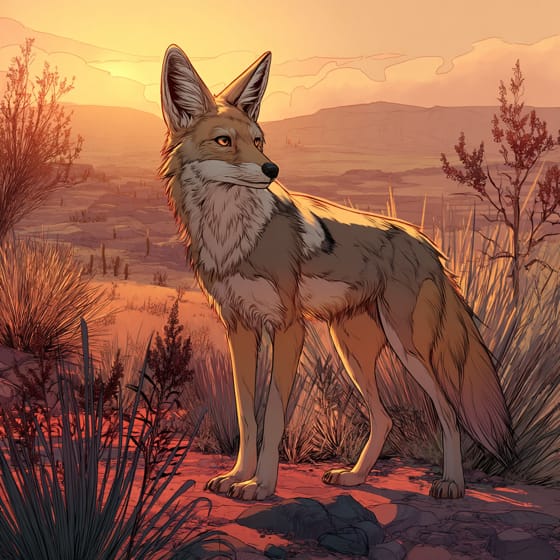
Canis latrans
Pups and adults can be prey for coyotes.
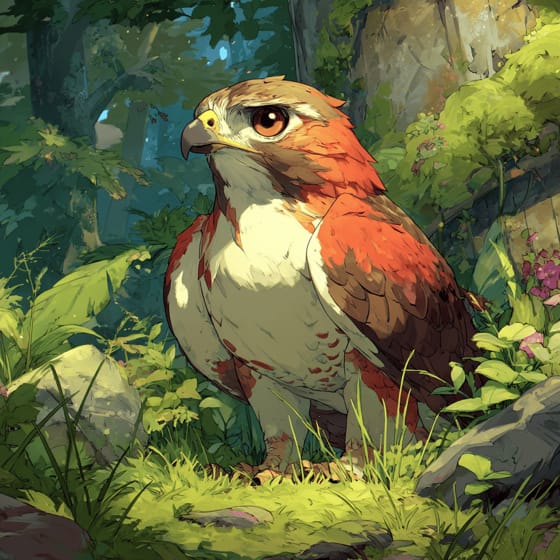
Buteo jamaicensis
Hawks hunt from above, swooping down on squirrels.

Taxidea taxus
Badgers dig into burrows to find these squirrels.
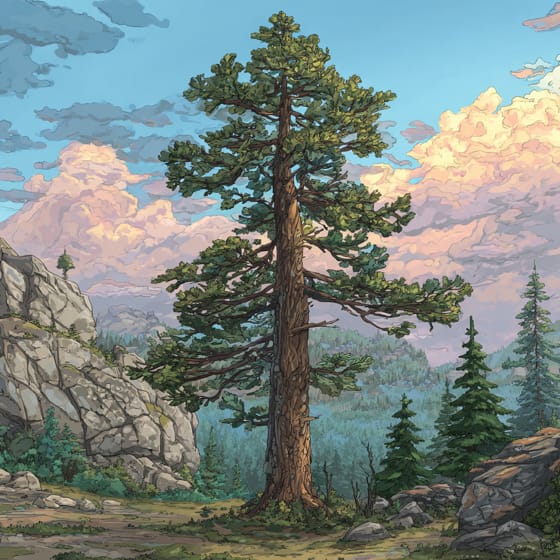
Pinus contorta
Squirrels gather and eat the nutritious seeds from pine cones.
Furry describes animals possessing a dense covering of soft hair or fur.
Marked with parallel bands or lines of color.
Social animals live in organized groups, cooperating for survival benefits such as foraging, defense, and raising offspring.
Burrowing animals dig tunnels and chambers in the ground, using these subterranean structures for shelter, hunting, or breeding.

This trait characterizes organisms whose diet consists entirely or primarily of plant material.

This habitat trait identifies species found in mountainous regions, characterized by high elevation, steep slopes, and varying climate zones.

Diurnal animals are primarily active during daylight hours, typically resting or sleeping at night.
No aliases listed yet.
Danger
1/5 · Very low
Always watch from a distance and don't try to touch or feed wild squirrels.
The easiest way to identify Common Golden-mantled Ground Squirrel is to use the Snappit nature identifier app.
23-30 cm
0.14-0.3 kg
2-5 years
30 km/h
These omnivores munch on seeds, nuts, insects, and berries, gathering food for their hidden stashes!
Mountain regions
Foraging
Zoom in to split clusters and explore where this object has been snapped.
Jun 3, 2026
Generals' Highway Stone BridgesPhoto attribution
(c) Dan Killam, some rights reserved (CC BY)
License: CC BY 4.0 ↗
Image may be shown cropped inside the card frame.
May 30, 2026
Munson Valley Historic DistrictPhoto attribution
no rights reserved
License: CC0 1.0 ↗
Image may be shown cropped inside the card frame.
Jul 28, 2024
St. ElmoPhoto attribution
(c) Zac Peterson, some rights reserved (CC BY)
License: CC BY 4.0 ↗
Image may be shown cropped inside the card frame.
Jul 28, 2024
St. ElmoPhoto attribution
(c) Zac Peterson, some rights reserved (CC BY)
License: CC BY 4.0 ↗
Image may be shown cropped inside the card frame.

Utah, US
You might spot Common Golden-Mantled Ground Squirrel and Steller's Jay.
View guide →

Utah, US
You might spot Common Golden-Mantled Ground Squirrel and Steller's Jay.
View guide →

Montana, US
You might spot Bighorn Sheep and Mountain Goat.
View guide →

Colorado, US
You might spot Rocky Mountain Marsh-Marigold and American Bistort.
View guide →

Oregon, US
You might spot White Pasqueflower and Clark's Nutcracker.
View guide →

Montana, US
You might spot Black Bear, Brown Bear, and Moose.
View guide →
Take the discovery with you
Snap it with Snappit to identify it, learn what makes it special, and add the discovery to your collection.




.jpg&width=800)


.JPG&width=800)

.jpg&width=800)
