





White-crowned Sparrow
Zonotrichia leucophrys
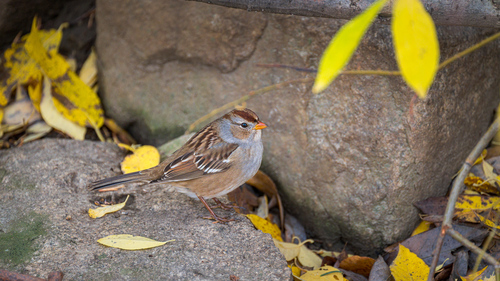
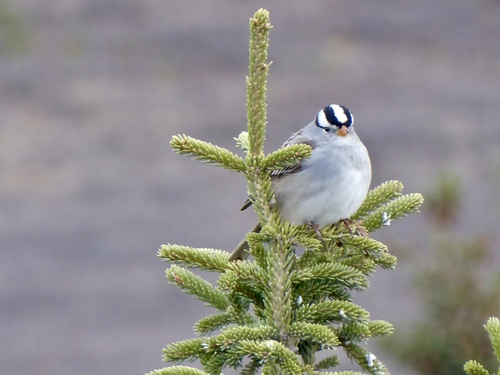
The White-crowned Sparrow is a small bird with a beautiful white crown on its head. It loves to sing cheerful songs and can often be seen hopping around in gardens and parks.
Habitat: Urban areas
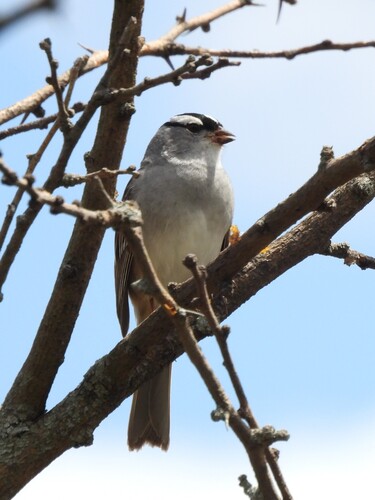
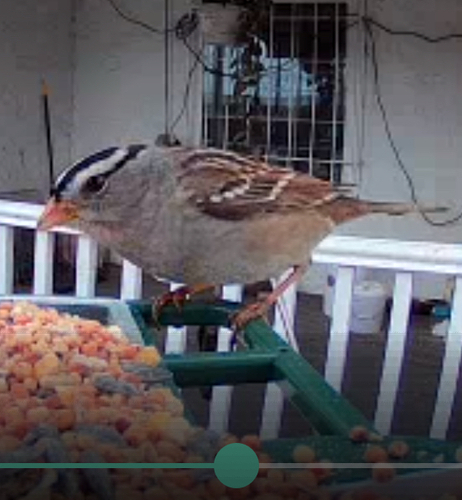
The White-crowned Sparrow has a distinctive head pattern with bold black and white stripes, resembling a tiny crown. Its body is mostly grey and brown, with an unstreaked grey breast and a relatively long tail. This clean head pattern easily distinguishes it from other sparrows.
Category
BirdsRarity
Common
Danger
1/5 · Very low
Snaps
74
A White-crowned Sparrow's tiny heart can beat over 600 times a minute!
Some populations migrate thousands of kilometers, while others stay put all year.
They often hop with both feet together to uncover hidden seeds on the ground.
Young sparrows practice their songs, much like kids learning to talk!
White-crowned Sparrows can navigate thousands of kilometers using the stars and Earth's magnetic field, helping them find their way.
White-crowned Sparrows have unique song dialects that help them recognize mates and rivals from their specific local group.
White-crowned Sparrows can survive cold winter nights because their fluffy feathers trap air for insulation, keeping them warm.
White-crowned Sparrows munch on a mix of seeds, berries, and insects.
Age differences: Young sparrows eat more insects for protein; adults eat more seeds.
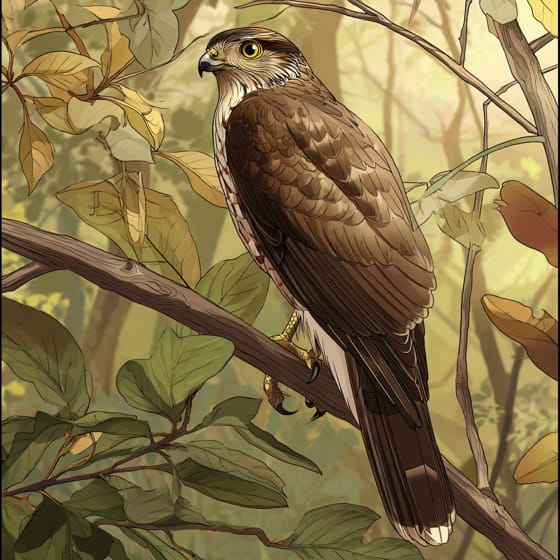
Accipiter cooperii
A frequent predator of small songbirds.
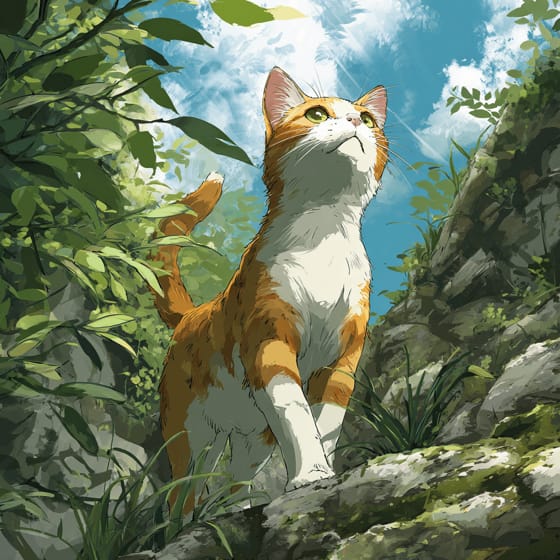
Felis catus
An introduced predator, especially in urban areas.

Quercus rubra
Provides nesting sites and protection from predators.

Ambrosia artemisiifolia
Consumes its seeds, a common food source in winter.
Feathered describes animals, primarily birds, possessing a covering of feathers.
Social animals live in organized groups, cooperating for survival benefits such as foraging, defense, and raising offspring.
This trait identifies organisms whose diet includes both plant and animal matter.
Singing animals produce complex vocalizations, often for purposes of attracting mates, defending territory, or communicating within their species.

Diurnal animals are primarily active during daylight hours, typically resting or sleeping at night.

Migratory animals undertake seasonal movements from one region to another, typically in response to changes in climate or food availability.

This habitat trait indicates species that can coexist with humans in urban and suburban environments, utilizing man-made structures and green spaces.
No aliases listed yet.
Danger
1/5 · Very low
Enjoy watching birds from a distance and don't try to touch them.
The easiest way to identify White-crowned Sparrow is to use the Snappit nature identifier app.
15-18 cm
21-25 cm
0.025-0.035 kg
2-6 years
45 km/h
White-crowned Sparrows munch on a mix of seeds, berries, and insects.
Urban areas
Zoom in to split clusters and explore where this object has been snapped.
May 2, 2026
Midewin National Tallgrass PrairiePhoto attribution
(c) P Holroyd, some rights reserved (CC BY)
License: CC BY 4.0 ↗
Image may be shown cropped inside the card frame.
Apr 11, 2026
Grand CouleePhoto attribution
(c) solidstate, some rights reserved (CC BY)
License: CC BY 4.0 ↗
Image may be shown cropped inside the card frame.
Oct 12, 2025
St. ElmoPhoto attribution
(c) Shiva Shenoy, some rights reserved (CC BY)
License: CC BY 4.0 ↗
Image may be shown cropped inside the card frame.
May 14, 2017
Denali National Park and PreservePhoto attribution
(c) Cheryl McCleary-Catalano, some rights reserved (CC BY)
License: CC BY 4.0 ↗
Image may be shown cropped inside the card frame.

California, US
You might spot Snowy Egret, Great Blue Heron, and Willet.
View guide →

Alaska, US
You might spot Brown Bear, Common Merganser, and Sockeye Salmon.
View guide →

Alaska, US
You might spot Cliff Swallow, Pretty Jacob's-Ladder, and Dwarf Fireweed.
View guide →

Washington, US
You might spot Pacific Banana Slug and Oregon Forestsnail.
View guide →

California, US
You might spot American Avocet, Great Egret, and Snowy Egret.
View guide →

California, US
You might spot Great Blue Heron, Western Gull, and Coyote.
View guide →
Take the discovery with you
Snap it with Snappit to identify it, learn what makes it special, and add the discovery to your collection.




.jpg&width=800)








