





Northern Water Snake

Starved Rock Lock and Dam offers a fascinating glimpse into both vital engineering and Illinois' stunning natural beauty.
Starved Rock Lock and Dam offers a fascinating glimpse into both vital engineering and Illinois' stunning natural beauty. This impressive facility, a key component of the Illinois Waterway, facilitates navigation while providing exceptional wildlife viewing opportunities. Integrated with the magnificent Starved Rock State Park, it serves as a unique destination where human ingenuity meets the wild, drawing visitors to witness both the power of industry and the tranquility of nature.
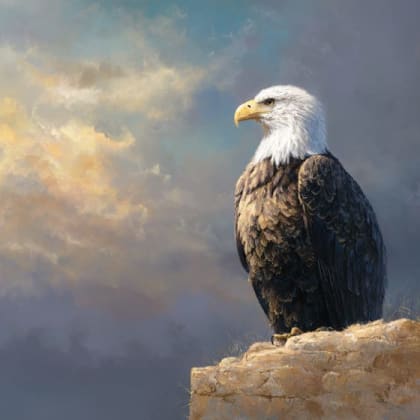
The Illinois Waterway Visitor Center, perched overlooking the lock and dam, is the perfect starting point to observe large barges and smaller pleasure craft being raised or lowered as they traverse the Illinois River. Displays within the center detail the history and function of the waterway, offering an educational experience for all ages. Beyond the engineering marvel, the surrounding natural landscape bursts with life, hosting a rich array of wildlife. Birdwatchers particularly flock here in winter to witness hundreds of Bald Eagles, often seen fishing near the open waters of the dam, while spring brings vibrant displays of wildflowers like Virginia bluebells and skunk cabbage in the adjacent park.
Visiting the Starved Rock Lock and Dam provides a memorable and educational experience, blending industrial heritage with ecological wonder. Whether you're captivated by the precise mechanics of a working lock, eager to spot a majestic Bald Eagle, or simply looking to enjoy the scenic river views, this site serves as a remarkable gateway to understanding the dynamic relationship between human development and the natural world. Its close proximity to the hiking trails and geological formations of Starved Rock State Park makes it an ideal spot for a comprehensive outdoor adventure. Turn your visit into a safari! Use the Snappit app to scan and log wildlife sightings here.
The Starved Rock Lock and Dam, also known as Lock and Dam No. 6, was constructed between 1926 and 1933 as a critical part of the Illinois Waterway project. This ambitious endeavor aimed to create a navigable channel connecting the Great Lakes to the Gulf of Mexico via the Mississippi River. Initially, a contractor failed to proceed in 1923, but after resolving land litigation issues, a second contract was awarded in 1926. The construction faced financial challenges from the State of Illinois, leading the federal government to step in and complete the project under the Rivers and Harbors Act of 1930. The total cost amounted to over $4.4 million, with both state and federal funds contributing. The lock itself is a standard "Panamax" size, 600 feet long by 110 feet wide, designed to raise or lower boats by 17 to 19 feet. Recognizing its significance in engineering, transportation, and maritime history, the Starved Rock Lock and Dam was officially listed on the National Register of Historic Places in 2004.
Watch the fascinating operation of the lock and dam, learn about river navigation and history at the Visitor Center, engage in birdwatching (especially for eagles and pelicans), and explore the natural beauty of the nearby Starved Rock State Park trails.
Winter is coldest but best for eagle viewing.
Spring brings waterfalls and wildflowers but can mean muddy trails.
Summer is warm, good for river activities, but can be crowded.
Fall showcases vibrant foliage. Always check weather and trail conditions before visiting.
The Illinois Waterway Visitor Center at the Starved Rock Lock and Dam includes an observation deck. While an elevator may experience outages, stair access remains available.
Features interpretive displays on the history of the Illinois Waterway and its role in connecting the Great Lakes to the Gulf of Mexico.
Provides excellent vantage points to watch towboats and barges navigate the lock system.
Designated spots, especially near the Visitor Center, offer prime locations for observing Bald Eagles in winter.
The adjacent park offers numerous trails leading to scenic overlooks, sandstone canyons, and seasonal waterfalls.
Each card links to a full Explore page with photos, traits, and fun facts.
Start with the big picture, then zoom in to explore individual wildlife observations around this place.
Visit the Visitor Center First
Start your visit at the Illinois Waterway Visitor Center for interpretive displays and the best views of the lock and dam operations.
Bring Binoculars
Essential for spotting distant wildlife, especially Bald Eagles perched on islands or in trees along the river.
Dress for the Season
Bundle up in winter for eagle watching. In spring, be prepared for potentially muddy trails with waterproof footwear.
Check Lock Schedules (if possible)
While locks operate 24/7, larger commercial traffic is common. Observing a towboat locking through is a highlight.
Combine with Starved Rock State Park
The lock and dam are adjacent to Starved Rock State Park, offering extensive hiking trails, canyons, and waterfalls to explore.
Paddler's Protocol
If arriving by recreational boat, be aware that specific procedures for lock entry exist, including yielding to commercial barges and contacting the lockmaster.
Jun 2, 2026
May 31, 2026
May 31, 2026
May 31, 2026
May 31, 2026

Maryland, US
You might spot White-Tailed Deer and Eastern Gray Squirrel.
View guide →
.jpg)
District of Columbia, US
You might spot Eastern Gray Squirrel, Duck, and House Sparrow.
View guide →

Illinois, US
You might spot American Robin, Canada Goose, and House Sparrow.
View guide →

Virginia, US
You might spot Spotted Lanternfly and Northern Cardinal.
View guide →
Take the discovery with you
Identify the wildlife you spot, learn as you go, and keep a collection of the adventure.













.jpg&width=800)

