
African Lion
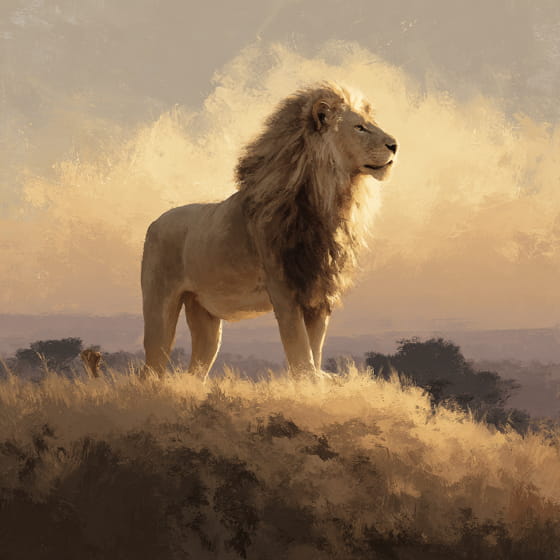
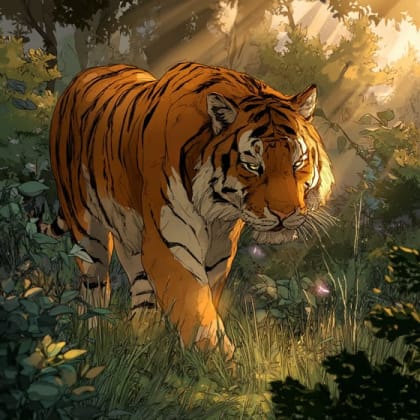
Warner Bros. Jungle Habitat was a unique, short-lived safari park and theme park in West Milford, New Jersey, that thrilled visitors from 1972 to 1976. Spanning 800 acres, this innovative venue offered an immersive experience where guests could encounter exotic wildlife from the comfort of their own vehicles. The main attraction was a 450-acre drive-through safari, allowing patrons to observe animals like African lions, Siberian tigers, elephants, giraffes, and baboons roaming freely, often approaching cars for a truly wild encounter. Beyond the thrilling safari, the park featured a walk-through section known as Jungle Junction. Here, families could enjoy a petting zoo, a reptile house, dolphin shows, and even camel and elephant rides. Adding to the entertainment, beloved Looney Tunes characters such as Bugs Bunny, Daffy Duck, and Tweety Bird hosted live shows, offering unique photo opportunities for children and adults alike. Though no longer operational, the spirit of Warner Bros. Jungle Habitat lives on in the memories of those who experienced its unique blend of wildlife adventure and cartoon fun. The site, now a public park, invites exploration of its past, with remnants of its exciting history still visible amidst the natural landscape. Take the ultimate field guide with you: use the Snappit app to identify birds, plants, and animals on your trip.
Warner Bros. Jungle Habitat officially opened its gates in West Milford, New Jersey, in July 1972, quickly drawing in hundreds of thousands of visitors with its groundbreaking safari concept. The park was owned by Warner Bros. and housed over 1,500 animals across 70 different species within its 800-acre expanse. Its operational model included a vast drive-through safari and a pedestrian-friendly area called Jungle Junction, which combined traditional zoo exhibits with Warner Bros. character entertainment. Despite initial popularity, the park faced significant challenges leading to its abrupt closure on October 31, 1976, after only four years. Issues included local opposition to proposed expansion plans (which aimed to add amusement park rides like roller coasters and log flumes) due to concerns about increased traffic and noise. The park also incurred substantial financial losses and struggled with animal welfare concerns, including escapes and health problems attributed to harsh New Jersey winters. After its closure, the animals were relocated to other facilities, and the 800-acre property was eventually purchased by the State of New Jersey in 1988, becoming part of Long Pond Ironworks State Park, now utilized for hiking and mountain biking.
Visitors would drive their own cars (or take a park bus) through the safari, observing large mammals up close. In Jungle Junction, they could watch animal performances, enjoy camel and elephant rides, interact with smaller animals at the petting zoo, and meet their favorite Warner Bros. characters.
While open seasonally, the New Jersey winters were not suitable for many exotic species, leading to challenges. Summer would have been peak season with all attractions fully operational.
The drive-through safari was accessible to anyone in a vehicle. Information on specific accessibility features for the walk-through areas is not readily available, but generally, theme parks of that era had limited dedicated accessibility infrastructure.
Drive-Through Safari
Dolphin Show
Reptile House
Looney Tunes Character Shows
Each card links to a full Explore page with photos, traits, and fun facts.
Start with the big picture, then zoom in to explore individual wildlife observations around this place.
Explore the Legacy
For those interested in its history, seek out vintage photographs and accounts from original visitors to get a true feel for the Warner Bros. Jungle Habitat experience.
Visit the Current Site
If visiting the former site today, be prepared for a natural park setting. It is now popular for hiking and mountain biking.
Look for Remnants
Keep an eye out for old paved roads, concrete foundations, and other structures that are remnants of the original park.
Respect the Environment
The current site is a state park; follow all park rules and leave no trace during your visit.
Research Current Events
The site is occasionally used for special events, like the Autumn Lights Festival, so check local listings.
Recent snaps will appear here as new observations are added.

Michigan, US
You might spot African Lion, Komodo Dragon, and Brown Bear.
View guide →
.jpg)
Municipal District of Cobh, IE
You might spot Ring-Tailed Lemur, Giraffes, and Cheetahs.
View guide →

Nouvelle-Aquitaine, FR
You might spot Greater Flamingo, Giraffes, and Red Panda.
View guide →

Texas, US
You might spot Giraffes, African Lion, and Eastern Black Rhinoceros.
View guide →