
African Elephant

The Milwaukee County Zoo offers an incredible journey into the wild, inspiring conservation and delighting visitors of all ages.
The Milwaukee County Zoo offers an incredible journey into the wild, inspiring conservation and delighting visitors of all ages. This sprawling 190-acre destination in Milwaukee, Wisconsin, is home to a diverse collection of over 2,200 animals representing more than 340 species, making it one of the largest and most varied zoos in the United States. Beyond observing majestic creatures, guests can immerse themselves in thoughtfully designed habitats, enjoy thrilling rides, and participate in engaging educational programs that underscore the zoo's commitment to wildlife protection and environmental awareness. Visitors to the Milwaukee County Zoo embark on a global adventure, encountering animals from the African Savannah to the North American wilderness. Experience the grandeur of the African Elephants in their expansive Adventure Africa habitat, or get up close with Reticulated Giraffes during a special feeding experience. The Big Cat Country exhibit provides an awe-inspiring look at African Lions, Amur Tigers, Snow Leopards, and Jaguars, showcasing their power and grace. For primate enthusiasts, the Apes of Africa and Primates of the World buildings offer a chance to observe Western Lowland Gorillas, Bonobos, Orangutans, and Siamangs in environments designed to mimic their natural homes. Beyond the incredible animal exhibits, the zoo provides a rich tapestry of experiences. Enjoy a relaxing ride on the historic Safari Train, explore the interactive Northwestern Mutual Family Farm, or catch an entertaining Sea Lion Show. The zoo also features seasonal exhibits, such as the Hippo Haven with its impressive underwater viewing, and offers unique animal encounters. With its blend of entertainment, education, and dedicated conservation efforts, the Milwaukee County Zoo creates memorable experiences that connect visitors with the living earth. Be ready to snap and learn! Get the Snappit app to identify any nature species you find here.
The Milwaukee County Zoo boasts a rich history intertwined with the city's development of public green spaces. Its origins trace back to 1892 when a small bird and mammal exhibit opened within Washington Park, then known as West Park. Designed by the renowned landscape architect Frederick Law Olmsted, Washington Park quickly became a significant urban amenity, and its small animal collection grew to become the Washington Park Zoo. By 1907, this early iteration of the zoo was the sixth largest in the nation, featuring a variety of animals including a polar bear named Zero, the first born in captivity in North America. However, by the late 1930s, the Washington Park Zoological Gardens had outgrown its space, leading to a search for a new location. In 1961, the zoo officially relocated and reopened at its current 190-acre site as the Milwaukee County Zoo, with the Washington Park Zoo closing permanently in 1963. The move allowed for significant expansion and the development of modern, naturalistic habitats, transforming it into the widely recognized zoological attraction it is today. The Zoological Society of Milwaukee, formed in 1910, continues to play a vital role in supporting the zoo's conservation and education initiatives.
Beyond animal viewing, enjoy the Sea Lion Show, try the Giraffe Experience for a feeding opportunity, or visit the Goat Yard at the Family Farm. Check the schedule for Kohl's Wild Theater performances, which offer educational entertainment.
Spring/Fall: Pleasant temperatures, active animals. Some African hoofstock may be outside when temperatures are above 45 degrees Fahrenheit. Summer: All outdoor exhibits are typically open. Expect larger crowds, especially on weekends. Consider riding the Safari Train or Zoomobile to cover ground efficiently. Winter: Many animals from colder regions, like red pandas and snow leopards, are more active outdoors. Indoor buildings like Apes of Africa and Big Cat Country provide warmth and viewing opportunities. The 'Wild Lights' event offers a magical evening experience.
The Milwaukee County Zoo is committed to accessibility, with wheelchair-accessible entrances to all public buildings. Quiet areas, headphone zones, and sensory bags are available at Guest Services through a partnership with KultureCity. Wheelchairs and mobility scooters can be rented on-site. Milwaukee County Transit System (MCTS) bus routes also provide service to the zoo.
Don't miss the impressive Adventure Africa with its Elephants and seasonal Hippo Haven
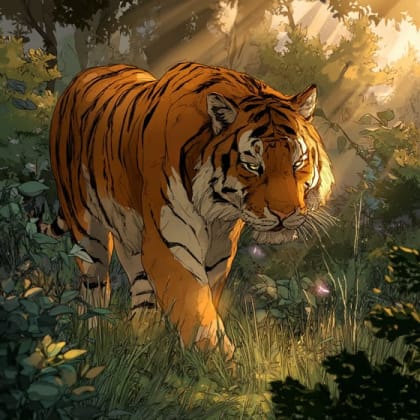
the powerful predators in Big Cat Country (Lions, Tigers, Snow Leopards, Jaguars)
the engaging Apes of Africa featuring Gorillas and Bonobos
The Taylor Family Humboldt Penguin Pool and the Herb and Nada Mahler Family Aviary are also popular
Each card links to a full Explore page with photos, traits, and fun facts.
Start with the big picture, then zoom in to explore individual wildlife observations around this place.
Purchase tickets online in advance
Buying your tickets on the zoo's website usually offers a lower rate and allows you to bypass ticket lines at the entrance.
Wear comfortable shoes
The zoo spans 190 acres, so be prepared for a significant amount of walking to explore all the exhibits.
Arrive early on weekdays
To avoid larger crowds and see animals at their most active, plan your visit for a weekday morning, ideally shortly after opening.
Consider a Zoo Pass
If you plan multiple visits throughout the year or intend to visit other zoos, a Zoo Pass can provide cost savings and benefits like free parking.
Check daily schedules
Look for information on animal feeding times, keeper talks, and show schedules (like the Sea Lion Show or Kohl's Wild Theater) upon arrival or on the zoo's website.
Utilize internal transportation
The Safari Train and Zoomobile offer scenic tours and can help reduce walking distances, especially for families with young children.
Familiarize yourself with the new parking system: The zoo now uses a license plate-based parking system, where payment is completed via QR code after parking.
Recent snaps will appear here as new observations are added.

Michigan, US
You might spot African Lion, Komodo Dragon, and Brown Bear.
View guide →
.jpg)
Municipal District of Cobh, IE
You might spot Ring-Tailed Lemur, Giraffes, and Cheetahs.
View guide →

Nouvelle-Aquitaine, FR
You might spot Greater Flamingo, Giraffes, and Red Panda.
View guide →

Texas, US
You might spot Giraffes, African Lion, and Eastern Black Rhinoceros.
View guide →