
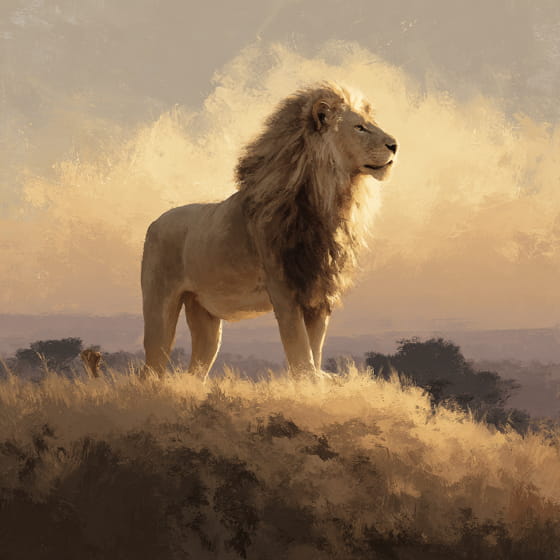
African Lion
The Wildlife WayStation was a sprawling 160-acre animal sanctuary nestled within the Angeles National Forest in Sylmar, California.
The Wildlife WayStation was a sprawling 160-acre animal sanctuary nestled within the Angeles National Forest in Sylmar, California. For over four decades, it served as a crucial refuge for thousands of wild and exotic animals, many of whom were victims of abandonment, abuse, or the exotic pet trade. While no longer operational, the WayStation once provided a rare opportunity for visitors to witness a diverse collection of creatures, from majestic big cats and bears to intelligent primates and various birds, in a setting dedicated to their care and rehabilitation. The experience was less like a traditional zoo and more like stepping into a dedicated rescue facility, offering a profound appreciation for wildlife conservation and the plight of these animals. Guests could observe animals often arriving in poor health, undergoing dedicated veterinary care and rehabilitation by the compassionate staff. The sanctuary was particularly notable for housing the largest group of chimpanzees in the Western United States, alongside lions, tigers, leopards, jaguars, wolves, and even alligators. A visit was an immersive journey, highlighting the critical role such sanctuaries played in offering a second chance to animals that could not be returned to the wild. The WayStation's commitment to animal welfare and its extensive collection of rescued inhabitants made it a cherished destination for animal lovers and a significant educational resource. Don't forget to bring the Snappit nature identification app along to scan local species.
The Wildlife WayStation was founded in 1976 by Martine Colette, an animal activist with a deep passion for wildlife. Her journey began in 1965 when she rescued a mountain lion, and within a decade, her home was filled with wild animals, prompting her move to Little Tujunga Canyon to establish the sanctuary. Colette, who had spent her childhood in Nairobi, Kenya, and witnessed the capture of wild animals for zoos, was driven by a desire to provide a haven for exotic and wild animals in need. Over its 43-year history, the WayStation assisted more than 77,000 abused, abandoned, orphaned, and injured animals, becoming the first exotic animal sanctuary established in the U.S. Despite its noble mission, the WayStation faced numerous challenges, including a distemper epidemic in 1992 that tragically killed 18 big cats, forcing a year-long closure for recovery. The sanctuary also contended with regulatory issues and financial difficulties. In its later years, the facility suffered extensive damage from the 2017 Creek Fire and severe flooding in early 2019, making it financially impossible to meet current operating standards. Consequently, in August 2019, the board of directors voted to close the facility permanently, surrendering its permits. The California Department of Fish and Wildlife (CDFW) then oversaw the monumental task of relocating hundreds of animals to other sanctuaries and facilities across the nation, a process that concluded in December 2022 with the final chimpanzees finding new homes. Martine Colette, the visionary founder, passed away in 2022 at the age of 79.
Visitors could walk along pathways, observing the animals in their habitats and reading about their individual backgrounds and rescue narratives. Educational programs and guided tours were sometimes offered, providing deeper insights into wildlife conservation and the challenges faced by exotic animals.
The Angeles National Forest environment meant that animal activity could vary with the weather. Cooler days might see more active predators, while warmer days encouraged some animals to seek shade.
Information on specific accessibility features is limited, but as a sanctuary in a natural setting, some areas might have had uneven terrain. Visitors were advised to inquire directly about mobility access during its operational period.
The diverse collection of rescued exotic animals
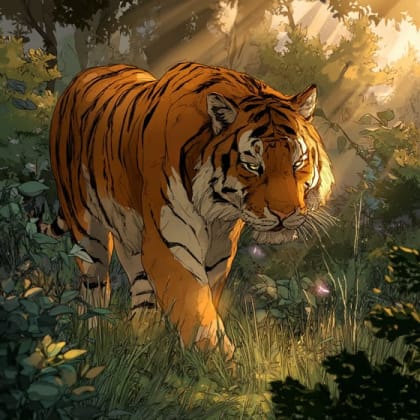
Large carnivores like African lions, tigers, and bears
Chimpanzee enclosures (one of the largest groups in the Western U.S.)
Leopards, jaguars, wolves, and alligators
Each card links to a full Explore page with photos, traits, and fun facts.
Start with the big picture, then zoom in to explore individual wildlife observations around this place.
Wear comfortable walking shoes, as the sanctuary covered a large area.
Bring binoculars for better viewing of animals in larger enclosures.
Consider researching the rescue stories of specific animals beforehand to enhance your visit.
Support animal sanctuaries by learning about their needs and donating to currently operating rescue organizations.
Check the weather forecast and dress appropriately for an outdoor experience in the Angeles National Forest.
Recent snaps will appear here as new observations are added.

Michigan, US
You might spot African Lion, Komodo Dragon, and Brown Bear.
View guide →
.jpg)
Municipal District of Cobh, IE
You might spot Ring-Tailed Lemur, Giraffes, and Cheetahs.
View guide →

Nouvelle-Aquitaine, FR
You might spot Greater Flamingo, Giraffes, and Red Panda.
View guide →

Texas, US
You might spot Giraffes, African Lion, and Eastern Black Rhinoceros.
View guide →