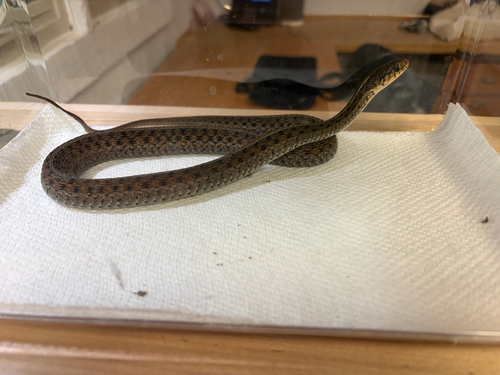
Cottonmouth

Experience the world's largest virgin cypress-tupelo swamp forest.
Experience the world's largest virgin cypress-tupelo swamp forest. Francis Beidler Forest, an Audubon wildlife sanctuary nestled in South Carolina's Four Holes Swamp, offers a truly immersive journey into an ancient, untouched ecosystem. This 18,000-acre preserve boasts approximately 1,800 acres of old-growth forest, where towering Bald Cypress and Tupelo Gum trees, some over a thousand years old, create a breathtaking canopy. Designated a National Natural Landmark and a Ramsar Wetland of International Importance, it's a living testament to the Lowcountry's pristine natural heritage.
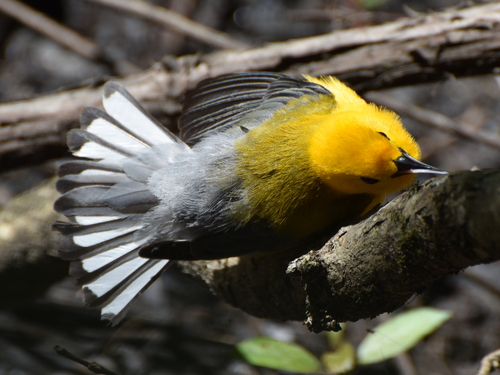
Wander along the 1.75-mile ADA-accessible boardwalk, which winds gently through the heart of this majestic swamp, offering unparalleled views of ancient trees and diverse wildlife. Keep an eye out for the vibrant Prothonotary Warbler, often called the "golden swamp warbler," known for nesting in the hollows of cypress knees, especially abundant in spring. You might also spot the elusive Barred Owl with its distinctive hoot, colorful Wood Ducks gliding on blackwater, or the striking Pileated Woodpecker pecking at tree trunks. The forest is also home to graceful Yellow-crowned Night Herons, White Ibis, and soaring Swallow-tailed Kites, making it a birdwatcher's paradise.
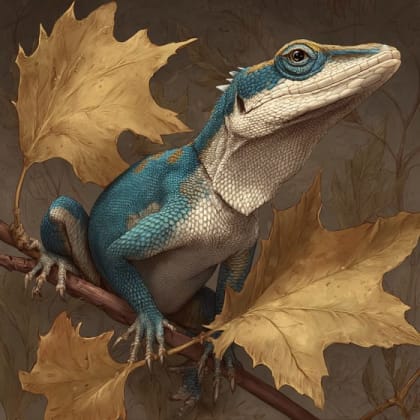
Beyond its avian wonders, the forest teems with other life, including alligators in Lake Gibson, various snakes, and yellow-bellied sliders. The tranquility of the flowing blackwater, the intricate network of cypress knees, and the sheer scale of the ancient trees create a profound sense of connection to nature. Whether you're seeking exceptional birdwatching opportunities, a peaceful stroll through an ancient landscape, or an educational experience about unique wetland ecosystems, Francis Beidler Forest offers a memorable escape into a rare and captivating world. Eager to name that creature? Identify any animal you find during your visit using the Snappit app.
The history of Francis Beidler Forest is rooted in both commerce and conservation. The land was originally acquired by Chicago businessman Francis Beidler in the 1890s, who, despite his timber interests, ultimately decided against logging this challenging part of the Four Holes Swamp. Following his death in 1924, his family continued to preserve the property, recognizing its unique ecological value. In the 1960s, a crucial partnership between The Nature Conservancy and the National Audubon Society led to the acquisition and protection of what is now Francis Beidler Forest. The sanctuary officially opened to the public in 1977 and has since expanded to its current 18,000 acres, ensuring the continued preservation of this globally significant ecosystem. Notably, the swamp also holds a poignant cultural history, having provided refuge for runaway slaves, known as Maroons, who found sanctuary within its dense and bountiful environment.
Walk the accessible boardwalk to observe unique flora and fauna.
* Birdwatch for a wide array of species, particularly during migration and breeding seasons.
* Explore the Grassland-Woodland trails for different ecosystems.
* Join a guided canoe tour (available in spring) for a unique perspective from the water.
* Participate in monthly night walks for an adventurous experience and nocturnal wildlife viewing.
* Utilize informational signs along the boardwalk to learn about the environment.
**Seasonal notes: **
* **Spring: ** Excellent for birdwatching, especially Prothonotary Warblers. Guided canoe tours are typically offered.
* **Summer: ** Reptile activity is higher. Yellow-billed Cuckoos and other summer birds are present. Mosquitoes are surprisingly less problematic deeper in the swamp due to flowing water.
* **Fall: ** Enjoy mild weather and the changing colors of the leaves.
* **Winter: ** Though less diverse for migratory birds, resident species like Barred Owls and various woodpeckers can be observed.
**Accessibility features: **
The 1.75-mile boardwalk is **ADA accessible**, wheelchair, and stroller friendly, featuring benches and rain shelters along the way. The visitor center is also accessible. For enhanced mobility, an electric wheelchair, an electric scooter, and a push wheelchair are available on a first-come, first-served basis. Please note that the Grassland-Woodland trails are **not ADA accessible** due to uneven terrain and roots. There are no restrooms on the boardwalk or trails; use facilities at the visitor center before heading out.
Spring: Excellent for birdwatching, especially Prothonotary Warblers. Guided canoe tours are typically offered.
Summer: Reptile activity is higher. Yellow-billed Cuckoos and other summer birds are present. Mosquitoes are surprisingly less problematic deeper in the swamp due to flowing water.
Fall: Enjoy mild weather and the changing colors of the leaves.
Winter: Though less diverse for migratory birds, resident species like Barred Owls and various woodpeckers can be observed.
**Accessibility features:
The 1.75-mile boardwalk is **ADA accessible**, wheelchair, and stroller friendly, featuring benches and rain shelters along the way. The visitor center is also accessible. For enhanced mobility, an electric wheelchair, an electric scooter, and a push wheelchair are available on a first-come, first-served basis. Please note that the Grassland-Woodland trails are **not ADA accessible** due to uneven terrain and roots. There are no restrooms on the boardwalk or trails; use facilities at the visitor center before heading out.
The 1.75-mile boardwalk is **ADA accessible**, wheelchair, and stroller friendly, featuring benches and rain shelters along the way. The visitor center is also accessible. For enhanced mobility, an electric wheelchair, an electric scooter, and a push wheelchair are available on a first-come, first-served basis. Please note that the Grassland-Woodland trails are **not ADA accessible** due to uneven terrain and roots. There are no restrooms on the boardwalk or trails; use facilities at the visitor center before heading out.
This elevated pathway offers an immersive experience through the ancient cypress-tupelo swamp, bringing you face-to-face with thousand-year-old trees.
Marvel at some of the world's oldest living trees, including a confirmed 1,500-year-old Bald Cypress. Don't miss the unique "hollow cypress" tree, where you can scooch inside.
Accessible from the boardwalk, this area often provides sightings of alligators and yellow-bellied sliders.
A separate network of trails offers a different habitat experience, ideal for spotting grassland birds like Painted Buntings.
Each card links to a full Explore page with photos, traits, and fun facts.
Start with the big picture, then zoom in to explore individual wildlife observations around this place.
Check operating hours and reserve tickets in advance: Before your visit, confirm the current operating hours and it's advisable to pre-register or reserve your visit through the official website.
Bring water and use facilities beforehand: There are no restrooms or water fountains along the boardwalk or trails, so come prepared with water and use the visitor center facilities before starting your exploration.
Visit early for wildlife
Arrive early in the morning for the best chances of spotting a wider variety of birds and other animals when they are most active.
Borrow binoculars
The visitor center offers binoculars for loan, which can greatly enhance your birdwatching experience.
Consider guided tours
For deeper insights and access to restricted areas, look into seasonal guided canoe trips, bird walks, or monthly night walks offered by the sanctuary.
Explore both habitats
While the boardwalk is a must-see, don't overlook the Grassland-Woodland trails for a different ecological experience and the chance to see different bird species like Painted Buntings.
Jun 4, 2026
Photo attribution
(c) Ryan Watson, some rights reserved (CC BY)
License: CC BY 4.0 ↗
Image may be shown cropped inside the card frame.
May 23, 2026
Photo attribution
(c) Ryan Watson, some rights reserved (CC BY)
License: CC BY 4.0 ↗
Image may be shown cropped inside the card frame.
May 23, 2026
Photo attribution
(c) Ryan Watson, some rights reserved (CC BY)
License: CC BY 4.0 ↗
Image may be shown cropped inside the card frame.
May 23, 2026
Photo attribution
(c) Ryan Watson, some rights reserved (CC BY)
License: CC BY 4.0 ↗
Image may be shown cropped inside the card frame.
May 20, 2026
Photo attribution
(c) Ryan Watson, some rights reserved (CC BY)
License: CC BY 4.0 ↗
Image may be shown cropped inside the card frame.

Maryland, US
You might spot White-Tailed Deer and Eastern Gray Squirrel.
View guide →
.jpg)
District of Columbia, US
You might spot Eastern Gray Squirrel, Duck, and House Sparrow.
View guide →

Illinois, US
You might spot American Robin, Canada Goose, and House Sparrow.
View guide →

Virginia, US
You might spot Spotted Lanternfly and Northern Cardinal.
View guide →
Take the discovery with you
Identify the wildlife you spot, learn as you go, and keep a collection of the adventure.