





American lotus
Nelumbo lutea
The American lotus is a beautiful flower that floats on water. Its large, round leaves and bright yellow flowers make it look like a big, happy sun in the water!
Habitat: Wetlands
The American lotus has large, circular, blue-green leaves, some floating on water, others rising majestically above on tall stalks. Its vibrant, pale yellow flowers, often up to 10 inches wide, emerge from the water with a prominent, cone-shaped seed pod at their center.
Category
PlantsRarity
Common
Danger
1/5 · Very low
Snaps
7
Each beautiful flower lasts only three days.
Fish and frogs hide beneath its big leaves!
Its crunchy roots are a tasty snack!
The giant leaves can be over two feet wide!
American lotus has superhydrophobic leaves that make water roll off, carrying dirt and dust with it, keeping them spotless.
American lotus can generate its own heat, warming its flowers to attract specific pollinating beetles, especially on cool nights.
American lotus produces seeds that can remain viable for hundreds, even over a thousand, years, waiting for ideal conditions to sprout.
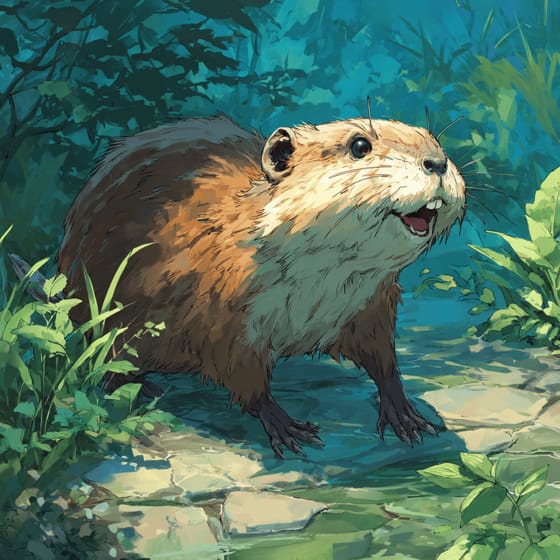
Ondatra zibethicus
Eats rhizomes and seeds.
Apis mellifera
Collects pollen from flowers.
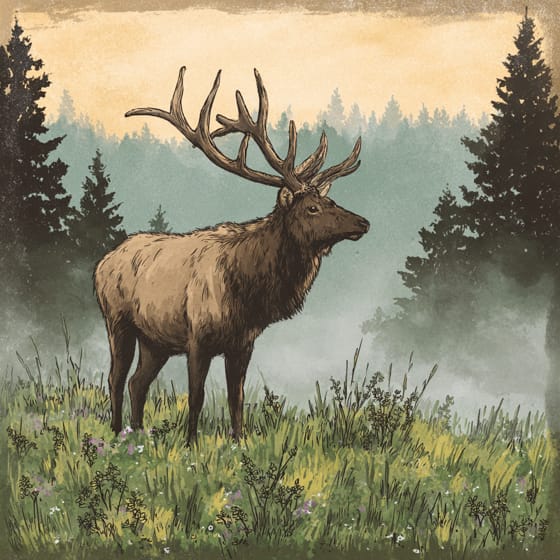
Cervus canadensis
Graze on leaves and stems.
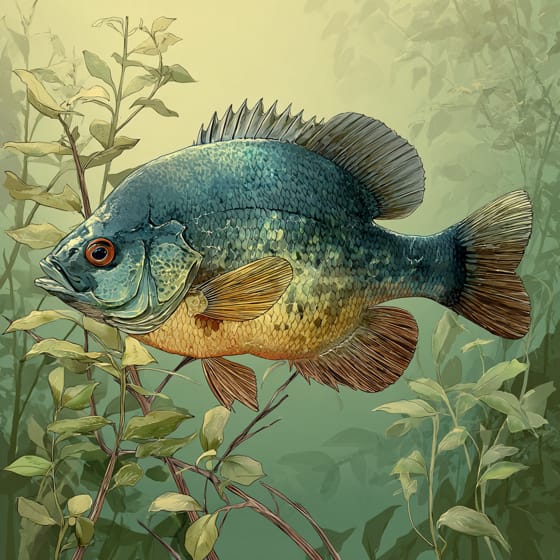
Lepomis macrochirus
Hides from predators under leaves.
Flowering plants are any plants that produce flowers as part of their reproductive cycle.
Summer blooming plants produce their flowers during the summer season, often providing vibrant color when many other plants have finished.
Broadleaf trees are angiosperms characterized by flat, wide leaves that are typically shed annually in temperate climates.
Fragrant flowers emit a pleasant aroma, often to attract pollinators or for defense.

Edible plants are those parts of a plant that are considered safe for human consumption.

Describes plants that are particularly attractive and beneficial to a wide range of pollinating organisms.

This trait characterizes organisms with an exceptionally long lifespan compared to others of their kind.

This habitat trait identifies species found in wetlands, which are areas of land saturated with water, either permanently or seasonally, including marshes, swamps, and bogs.

Aquatic habitats encompass environments where organisms live predominantly in water, including oceans, rivers, lakes, and wetlands.
No aliases listed yet.
Danger
1/5 · Very low
Always stay close to an adult when exploring near water.
The easiest way to identify American lotus is to use the Snappit nature identifier app.
60-200 cm
100-300 cm
10-25 cm
Summer (July-September)
Yes
None
Perennial
Zoom in to split clusters and explore where this object has been snapped.

Florida, US
You might spot Anole, Eastern Box Turtle, and Golden Silk Spider.
View guide →

Iowa, US
You might spot Common Milkweed, Amur Honeysuckle, and Canada Anemone.
View guide →

Iowa, US
You might spot American Toad and Silver-Spotted Skipper.
View guide →
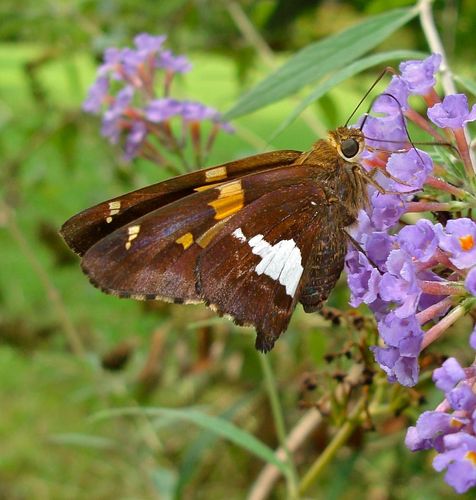
Iowa, US
You might spot Silver-Spotted Skipper, Question Mark, and Banded Pennant.
View guide →
Take the discovery with you
Snap it with Snappit to identify it, learn what makes it special, and add the discovery to your collection.








.jpg&width=800)

_001.jpg&width=800)


