





American Winter Ant
Prenolepis imparis
The American Winter Ant is a small, hardworking insect that can be found in many places. They are known for being active during the winter, which is quite special for ants!
Habitat: Forests
The American Winter Ant is a small, shiny ant, typically dark brown to black in color, with a smooth, hairless body. Its slender waist helps distinguish it from some other ant species. Queens can be slightly larger with a reddish-brown hue.
Category
InsectsRarity
Common
Danger
1/5 · Very low
Snaps
7
Their queen can live for an amazing 20 years, making huge colonies!
These ants have special "living honey pots" that store sweet liquid for the colony!
They love to drink the sugary sap that drips from trees in late winter.
You might spot them scurrying around when it's cold, even in light snow!
American Winter Ants can forage for food even in chilly weather because of their unique cold tolerance, helping them find resources when others can't.
American Winter Ants have specialized workers called repletes that store liquid food in their swollen abdomens, providing reserves for the colony.
American Winter Ants can run remarkably fast in cool temperatures because their metabolism is adapted to colder environments, giving them an edge.
These ants enjoy sweet liquids like nectar and sap, along with small insects for protein.

Aphis nerii
They tend aphids for sugary honeydew, especially in warmer seasons.
.jpg&width=800)
Dendroica coronata
Migratory birds like this warbler will opportunistically feed on ants.
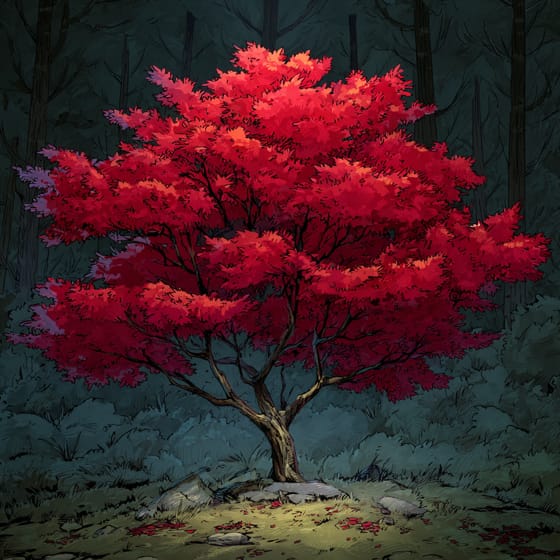
Acer rubrum
They feed on sugary sap from damaged or tapped maple trees.
Social animals live in organized groups, cooperating for survival benefits such as foraging, defense, and raising offspring.
This trait identifies organisms whose diet includes both plant and animal matter.
Describes organisms that break down dead organic material, recycling nutrients back into the ecosystem.
Forest habitats are terrestrial environments dominated by dense tree cover, supporting a high diversity of plant and animal life.
Hibernating animals enter a state of metabolic depression during cold periods or when food is scarce, characterized by reduced body temperature and activity.

Pertaining to species that are significantly smaller than typical or average for their kind.

Describes organisms that transfer pollen, enabling the fertilization and reproduction of plants.
No aliases listed yet.
Danger
1/5 · Very low
Don't disturb ant hills or try to touch ants. They are busy working!
The easiest way to identify American Winter Ant is to use the Snappit nature identifier app.
2-4 mm
365-7300 days
These ants enjoy sweet liquids like nectar and sap, along with small insects for protein.
Forests
Foraging
6
500-10000
Zoom in to split clusters and explore where this object has been snapped.
May 30, 2026
Hakone GardensPhoto attribution
(c) lazarus, some rights reserved (CC BY)
License: CC BY 4.0 ↗
Image may be shown cropped inside the card frame.

California, US
You might spot Western Fence Lizard and Pacific Poison Oak.
View guide →
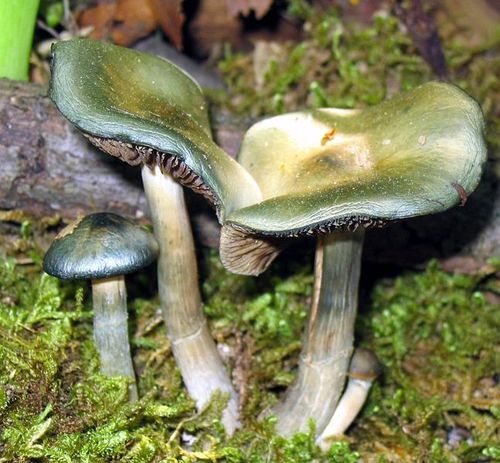
Ohio, US
You might spot Psychedelic Ovoid Mushroom and Powdered Dancer.
View guide →

Connecticut, US
You might spot Canada Mayflower, Common Milkweed, and American Toad.
View guide →

West Virginia, US
You might spot Wide Leek, Eastern Newt, and Golden Ragwort.
View guide →

Ohio, US
You might spot American Bullfrog, Painted Turtle, and Common Watersnake.
View guide →

Indiana, US
You might spot American Bullfrog and Rattlesnake Master.
View guide →
Take the discovery with you
Snap it with Snappit to identify it, learn what makes it special, and add the discovery to your collection.









.jpg&width=800)



