





annual fleabane
Erigeron annuus
Annual fleabane is a pretty little flower that blooms in the summer. Its tiny, white petals look like little stars and attract lots of butterflies and bees!
Habitat: Urban areas
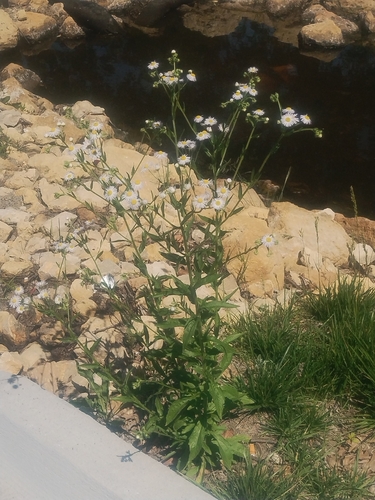
The annual fleabane has numerous small, daisy-like flowers with many thin white to pale pink ray petals surrounding a bright yellow center. Its hairy stems are branched, bearing alternate, somewhat toothed leaves that are broader at the base.
Category
PlantsRarity
Common
Danger
1/5 · Very low
Snaps
18
Each annual fleabane flower head is actually a tiny bouquet of many smaller flowers!
Its name 'fleabane' comes from an old belief it could repel fleas!
One annual fleabane plant can produce tens of thousands of tiny seeds in a single season!
This adaptable plant can sometimes be found growing even in cracks of city sidewalks!
Annual fleabane has tiny seeds with feathery parachutes that catch the wind, helping it spread far and wide.
This plant grows very fast, quickly taking over bare patches of soil after disturbances.
Its clusters of small, bright flowers are a beacon for many types of insects, ensuring successful pollination.
Apis mellifera
visits flowers for nectar and pollen

Bombus impatiens
collects pollen and nectar from blossoms
Vanessa cardui
sips nectar from the flower heads
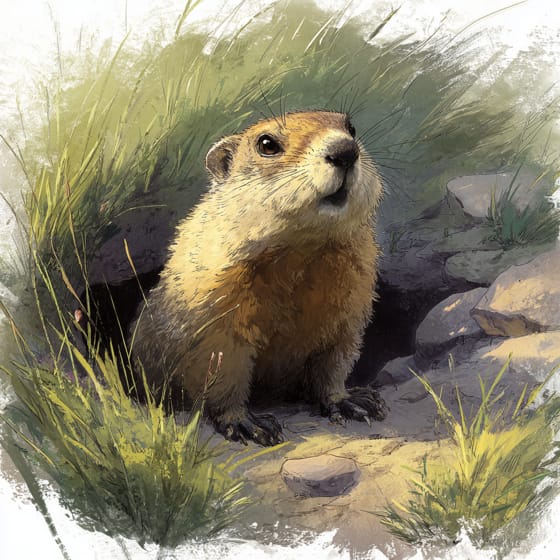
Marmota monax
grazes on its leaves and stems
Flowering plants are any plants that produce flowers as part of their reproductive cycle.
Summer blooming plants produce their flowers during the summer season, often providing vibrant color when many other plants have finished.
Describes plants that are particularly attractive and beneficial to a wide range of pollinating organisms.
Rapid growing plants exhibit accelerated growth rates, quickly increasing in size and biomass within a short period.

This habitat trait indicates species that can coexist with humans in urban and suburban environments, utilizing man-made structures and green spaces.

Describes organisms that transfer pollen, enabling the fertilization and reproduction of plants.
No aliases listed yet.
Danger
1/5 · Very low
Always look but don't pick flowers unless you have permission.
The easiest way to identify annual fleabane is to use the Snappit nature identifier app.
30-120 cm
30-60 cm
1-2 cm
Summer to fall
Yes
None
Annual
Zoom in to split clusters and explore where this object has been snapped.
Jun 2, 2026
Lock and Dam No. 15Photo attribution
no rights reserved
License: CC0 1.0 ↗
Image may be shown cropped inside the card frame.

Massachusetts, US
You might spot Eastern Cottontail and American Robin.
View guide →

Pennsylvania, US
You might spot American Robin, Red-Winged Blackbird, and Lesser Celandine.
View guide →

Rhode Island, US
You might spot Common Eastern Bumble Bee and Osprey.
View guide →

Pennsylvania, US
You might spot Spotted Lanternfly, Duck, and Asian Lady Beetle.
View guide →

Massachusetts, US
You might spot Turkey, Garter Snake, and Multiflora Rose.
View guide →
.jpg)
Pennsylvania, US
You might spot Admiral Butterfly and Forest Tent Caterpillar Moth.
View guide →
Take the discovery with you
Snap it with Snappit to identify it, learn what makes it special, and add the discovery to your collection.








.jpg&width=800)



_001.jpg&width=800)




