.jpg&width=800)





Aster
Aster novae-angliae
Asters are beautiful flowers that come in many colors like purple, pink, and white. They bloom in late summer and fall, attracting butterflies and bees to their nectar-rich petals.
Habitat: Grasslands
The Aster has numerous vibrant, daisy-like flowers, typically appearing in shades of purple, pink, or white, with bright yellow centers. Its ray petals radiate outwards like a star, making it easily distinguishable in fall meadows.
Category
PlantsRarity
Common
Danger
1/5 · Very low
Snaps
Be the first to snap!
Asters are sometimes called 'frost flowers' because they are among the last to bloom before winter.
Monarch butterflies rely on aster nectar to fuel their long migration south each fall!
Native American tribes historically used parts of the aster plant for herbal remedies and teas.
Some aster varieties can slightly change flower color as they age, often from purple to a softer pink.
Aster provides essential nectar for pollinators like butterflies and bees when most other flowers have faded for the season.
Aster has strong, hairy stems that help it stand tall and sturdy, protecting its blooms from autumn winds and rain.
Aster's bright, star-shaped flowers and abundant nectar attract a wide variety of insects, ensuring successful reproduction.
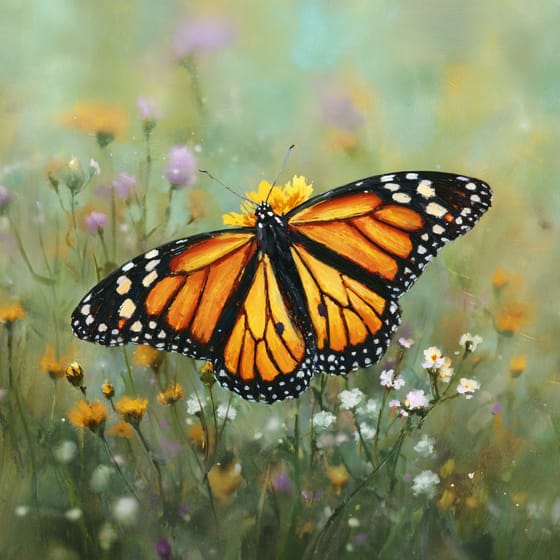
Danaus plexippus
Migrating monarchs fuel up on its nectar.
Bombus impatiens
Provides vital nectar for late-season bees.
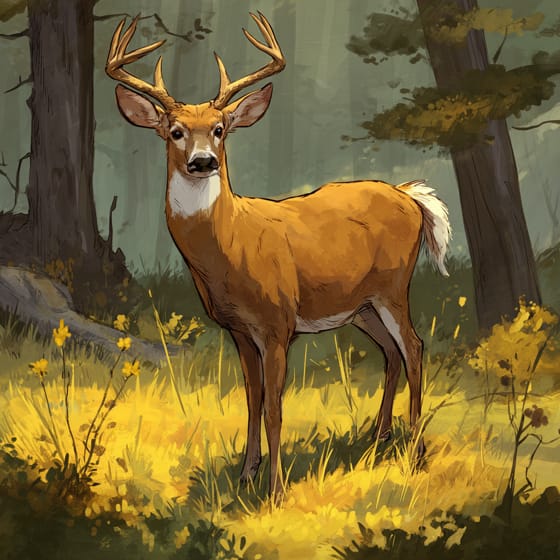
Odocoileus virginianus
Deer often browse on its leaves and shoots.
Herbaceous plants are non-woody plants with soft stems that typically die back to the ground at the end of the growing season.
Flowering plants are any plants that produce flowers as part of their reproductive cycle.
Biennial plants complete their life cycle over two growing seasons, typically forming foliage in the first year and flowering/seeding in the second.
Cluster flowers are inflorescences where individual flowers are arranged closely together on a common stem.

Shade tolerant plants are adapted to grow and thrive in areas with low light levels, requiring less direct sunlight.

Spring blooming plants produce their flowers during the spring season, often signifying the end of winter and the start of new growth.

Fragrant flowers emit a pleasant aroma, often to attract pollinators or for defense.

Grassland habitats are terrestrial biomes dominated by grasses and herbaceous plants, supporting a variety of grazing animals.

Describes plants that are particularly attractive and beneficial to a wide range of pollinating organisms.
Danger
1/5 · Very low
Enjoy looking at asters in the wild, but don't pick them without permission as they help pollinators.
The easiest way to identify Aster is to use the Snappit nature identifier app.
90-180 cm
30-90 cm
2-5 cm
Late summer to fall
No
None
Perennial
Zoom in to split clusters and explore where this object has been snapped.
Recent snaps will appear here as new observations are added.

Östergötland County, SE
You might spot Tiger, Gorilla, and Bottlenose Dolphin.
View guide →

Texas, US
You might spot Orca, Beluga Whale, and Bottlenose Dolphin.
View guide →

Missouri, US
You might spot Ant, Tarantula, and Arge.
View guide →
Texas, US
You might spot Orca, Beluga Whale, and Bottlenose Dolphin.
View guide →
Take the discovery with you
Snap it with Snappit to identify it, learn what makes it special, and add the discovery to your collection.







.jpg&width=800)


_001.jpg&width=800)



