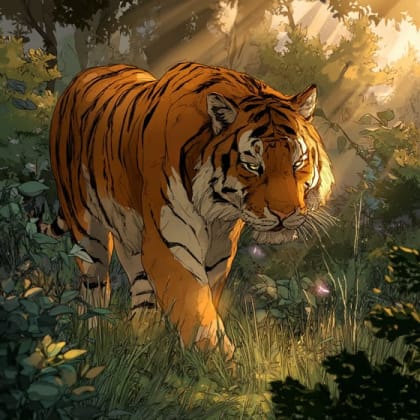





Tiger

Potter Park Zoo offers an engaging wildlife experience in Michigan's capital city.
Potter Park Zoo offers an engaging wildlife experience in Michigan's capital city. As Michigan's oldest public zoo, established in 1920, it encompasses 102 acres within the scenic Potter Park in Lansing, providing a vibrant home to over 350 animals representing more than 160 species. This AZA-accredited institution is deeply committed to inspiring conservation of animals and the natural world through education, research, and participation in Species Survival Plans for endangered animals globally.
Visitors can explore a diverse array of exhibits, each designed to provide an intimate look into the lives of fascinating creatures. The Feline and Primate Building is a highlight, featuring powerful Amur tigers, majestic African lions, elusive snow leopards, playful mandrills, and various endangered tamarins and lemurs. For those captivated by smaller wonders, the Bird and Reptile House showcases a variety of reptiles like gila monsters and birds such as macaws, while the Farmyard EdVentures offers an interactive petting zoo experience with goats, burros, and even reindeer. Unique residents like the critically endangered black rhinos, recently welcomed Okapi, charming red pandas, and active North American river otters provide memorable viewing opportunities.
A visit to Potter Park Zoo is more than just seeing animals; it's an opportunity for discovery and connection. The zoo's accessible design, including being Michigan's first certified sensory-inclusive zoo, ensures a comfortable experience for all guests. With opportunities for close-up animal viewing, educational programs, and a calendar full of special events like "Zoo Days" and "International Red Panda Day," the zoo provides a rewarding experience that fosters appreciation for wildlife and the importance of conservation efforts. Unlock an interactive field guide for this spot: get the Snappit app to identify nature on the go.
Potter Park Zoo's history dates back to 1912 when J.W. and Sarah Potter donated 58 acres of wooded land to the City of Lansing, establishing Potter Park. The official opening of the zoo occurred in 1920, when the city's first animals, including elk and deer, were transferred from Moores Park to the more spacious Potter Park. This made Potter Park Zoo the oldest public zoo in Michigan. Throughout the years, the zoo expanded its collection and facilities. The Bird and Reptile House opened in 1929, followed by the Lion House in 1930, and a barnyard and petting zoo in 1949. A significant milestone was achieved in 1986 when the zoo earned accreditation from the Association of Zoos and Aquariums (AZA), a testament to its commitment to high standards in animal care and conservation. The zoo has continued its conservation efforts, notably celebrating the birth of its first black rhino calf, Jaali, in 2019, and multiple red panda cubs in recent years, contributing to Species Survival Plans for these endangered animals.
Explore the diverse animal habitats, including the Bird and Reptile House and the Wing From Down Under Aviary. Participate in interactive experiences at the petting farm. Enjoy camel rides or a train ride (available seasonally). Check the events calendar for special programming like "Zoo Days," "Twilight Adventures," "World Snake Day," and "International Red Panda Day."
In summer, enjoy outdoor activities and special camps. Fall features events like "Trick or Treat through the grounds." Winter provides free parking and a chance to see animals in cooler weather.
Potter Park Zoo is Michigan's first certified sensory-inclusive zoo, offering sensory bags and a quiet room/nursing room in the Discovery Center. Accessible parking is available, and wheelchairs and electric scooters can be rented (call ahead to reserve electric carts). A braille map is also on display at the entrance. Service animals are permitted.
Don't miss the Feline and Primate Building to see Amur tigers, African lions, and snow leopards. Engage with farm animals at Farmyard EdVentures. Observe the playful North American river otters, the unique Okapi, and the critically endangered black rhinos.
Each card links to a full Explore page with photos, traits, and fun facts.
Start with the big picture, then zoom in to explore individual wildlife observations around this place.
Pack Snacks and Water
Especially for families, bringing your own snacks and refillable water bottles can enhance your visit.
Plan Bathroom Breaks
Utilize the restrooms near the entrance upon arrival to avoid interruptions during your exploration.
Check for Special Events
Review the zoo's calendar for unique events like "Zoo Days" or "Twilight Adventures" that can add an extra layer of excitement to your visit.
Consider Accessibility Needs
If mobility assistance is required, call ahead to reserve an electric cart, and be aware of the sensory-inclusive resources available.
Visit in Cooler Months for Free Parking
Parking is free from November through March; a small fee applies from April to October.
Seek Out Unique Encounters
Look for opportunities to view animals up close, such as the big cats in the Feline and Primate Building, or interact with animals at the Farmyard EdVentures petting zoo.
Mar 9, 2026
Photo attribution
(c) Ethan Rose, some rights reserved (CC BY)
License: CC BY 4.0 ↗
Image may be shown cropped inside the card frame.
Feb 7, 2026
Photo attribution
(c) Alan Prather, some rights reserved (CC BY)
License: CC BY 4.0 ↗
Image may be shown cropped inside the card frame.
Jan 17, 2026
Photo attribution
(c) Alan Prather, some rights reserved (CC BY)
License: CC BY 4.0 ↗
Image may be shown cropped inside the card frame.
Jan 17, 2026
Photo attribution
(c) Alan Prather, some rights reserved (CC BY)
License: CC BY 4.0 ↗
Image may be shown cropped inside the card frame.
Jan 17, 2026
Photo attribution
(c) Alan Prather, some rights reserved (CC BY)
License: CC BY 4.0 ↗
Image may be shown cropped inside the card frame.

Michigan, US
You might spot African Lion, Komodo Dragon, and Brown Bear.
View guide →
.jpg)
Municipal District of Cobh, IE
You might spot Ring-Tailed Lemur, Giraffes, and Cheetahs.
View guide →

Nouvelle-Aquitaine, FR
You might spot Greater Flamingo, Giraffes, and Red Panda.
View guide →

Texas, US
You might spot Giraffes, African Lion, and Eastern Black Rhinoceros.
View guide →
Take the discovery with you
Identify the wildlife you spot, learn as you go, and keep a collection of the adventure.