





bird of prey
bird of prey
Birds of prey are amazing hunters with sharp talons and keen eyesight. They soar high in the sky and can spot their food from far away. Some of them are very big and can even carry off small animals!
Habitat: Forests, Mountains, Grasslands
The bird of prey typically has a powerful, hooked beak and strong, sharp talons used for grasping. Their eyes are large and forward-facing, often with intense yellow or brown irises. Plumage varies widely but is commonly shades of brown, grey, or white, providing excellent camouflage.
Category
BirdsRarity
Common
Danger
2/5 · Low
Snaps
Be the first to snap!
Baby birds of prey are called nestlings and are very fluffy when they hatch.
Some birds of prey can turn their heads almost all the way around!
The fastest animal is a bird of prey, diving over 300 km/h!
They often build huge nests, called eyries, that can be used for many years.
Bird of prey has incredible eyesight that helps them spot tiny prey from very high in the sky.
Bird of prey can grip prey tightly with powerful talons thanks to strong leg muscles and sharp claws.
Many birds of prey fly almost silently, their specialized feathers muffling wingbeats for surprise attacks.
Bird of prey has a strong, hooked beak to tear meat from prey after a successful hunt.
Birds of prey are mighty hunters that eat other animals to get their energy.
Microtus pennsylvanicus
A common small mammal preyed upon by many raptors.

Oryctolagus cuniculus
A significant food source for larger eagles and hawks.
Thamnophis sirtalis
Many raptors, especially hawks, eat snakes.
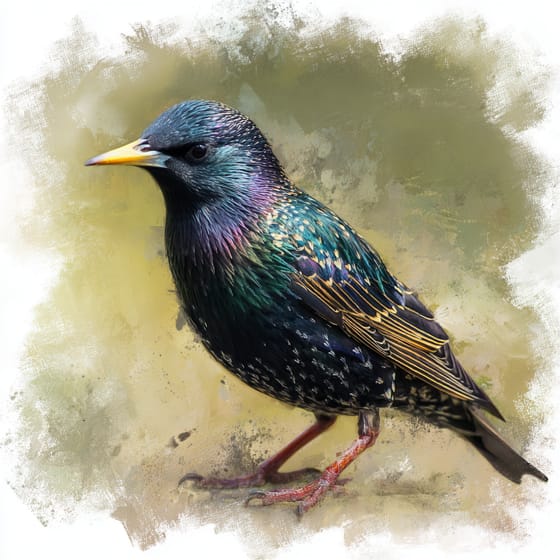
Sturnus vulgaris
Small birds are a primary food for falcons and accipiters.

Oncorhynchus mykiss
Fish are key to the diet for osprey and fishing eagles.
Feathered describes animals, primarily birds, possessing a covering of feathers.
Solitary animals live alone for most of their lives, only interacting with others for mating or parental care.
Aerial creatures spend a significant portion of their lives airborne, utilizing flight for various activities such as hunting, migration, or nesting.
Grassland habitats are terrestrial biomes dominated by grasses and herbaceous plants, supporting a variety of grazing animals.

This habitat trait identifies species found in mountainous regions, characterized by high elevation, steep slopes, and varying climate zones.

An ambush predator hunts by patiently waiting and concealing itself, then launching a sudden attack when unsuspecting prey comes within range.

Forest habitats are terrestrial environments dominated by dense tree cover, supporting a high diversity of plant and animal life.

This trait identifies organisms whose diet consists entirely or primarily of animal tissue.

Diurnal animals are primarily active during daylight hours, typically resting or sleeping at night.

Describes a species whose presence and role have a disproportionately large effect on its environment.

This trait identifies organisms that exhibit exceptional swiftness in movement for hunting, escape, or travel.
Danger
2/5 · Low
Always watch birds from a distance and never try to touch them.
The easiest way to identify bird of prey is to use the Snappit nature identifier app.
15-100 cm
30-300 cm
0.05-15 kg
5-70 years
320 km/h
Birds of prey are mighty hunters that eat other animals to get their energy.
Forests, Mountains, Grasslands
Zoom in to split clusters and explore where this object has been snapped.
Recent snaps will appear here as new observations are added.
Take the discovery with you
Snap it with Snappit to identify it, learn what makes it special, and add the discovery to your collection.





.jpg&width=800)






