



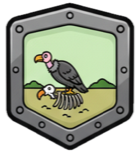

Black-billed Magpie
Pica hudsonia
The Black-billed Magpie is a beautiful bird with shiny black and white feathers. They are known for their long tails and love to collect shiny objects, making them very curious and playful!
Habitat: Grasslands
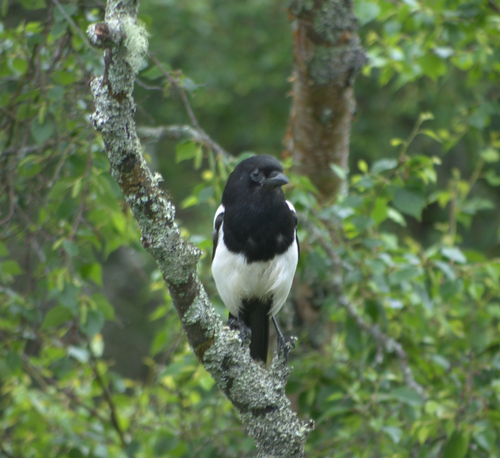
The Black-billed Magpie has striking iridescent black plumage with a shimmering green and purple sheen, contrasting sharply with large white patches on its belly and wing primaries. Its most distinguishing feature is a very long, graduated black tail, often longer than its body.
Category
BirdsRarity
Common
Danger
1/5 · Very low
Snaps
58
Magpies are one of the few non-mammals that can recognize themselves in a mirror.
Magpies love shiny objects and are known to collect them, often hiding them in their nests.
These birds use mud to build huge dome-shaped nests, often reinforced with sticks and thorns!
They sometimes 'play dead' to trick predators into thinking they aren't worth chasing!
The Black-billed Magpie can mimic a wide range of sounds, including human speech, which helps them communicate with their flock.
Black-billed Magpies have excellent memory to store food in many secret caches, ensuring they have snacks for later.
Black-billed Magpies have sharp eyesight and intelligence to recognize individual human faces, helping them identify friends or foes.
These clever birds eat almost anything, from insects to seeds and even leftover food!
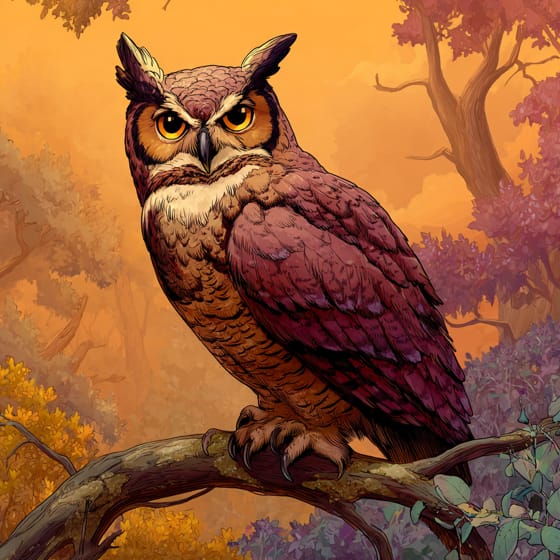
Bubo virginianus
Adult magpies and their young can be prey for these large owls.
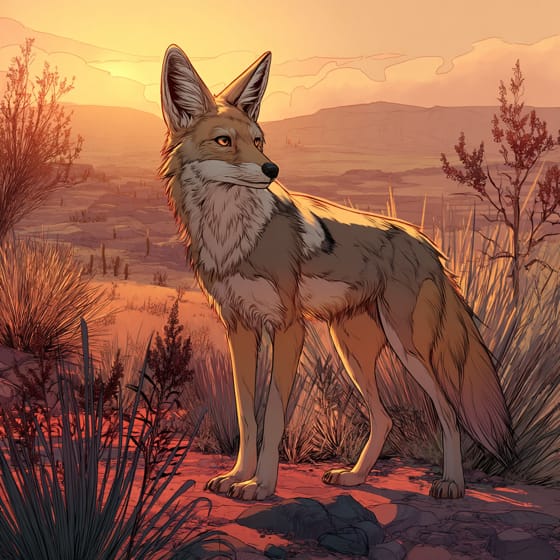
Canis latrans
Coyotes may prey on magpies, especially when they are on the ground.
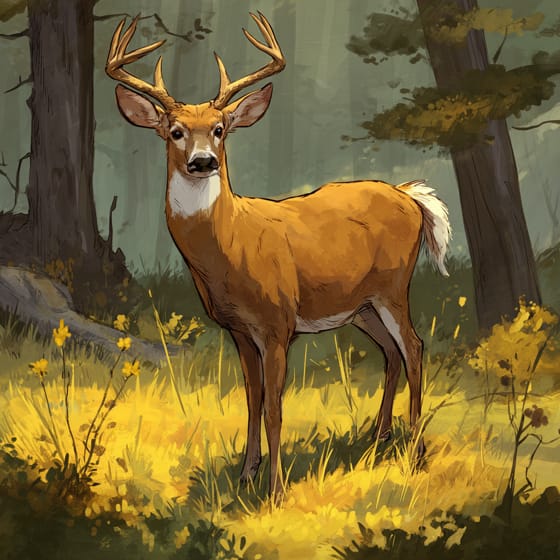
Odocoileus virginianus
Magpies often scavenge on carrion from deer, especially during winter.
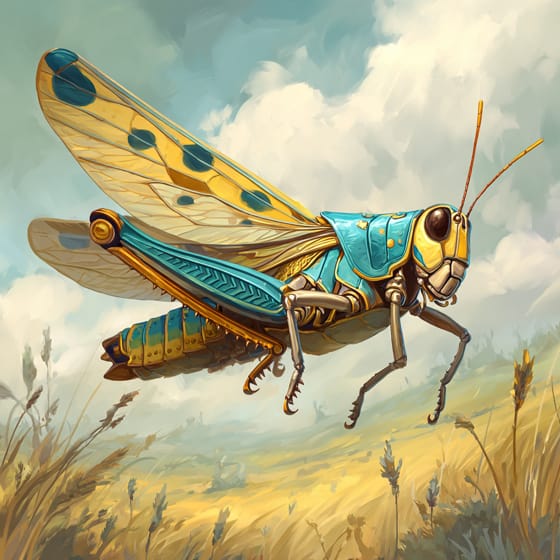
Locusta migratoria
Magpies consume many insects like locusts, helping control pest populations.
Feathered describes animals, primarily birds, possessing a covering of feathers.
Social animals live in organized groups, cooperating for survival benefits such as foraging, defense, and raising offspring.
This trait identifies organisms whose diet includes both plant and animal matter.
Scavengers consume dead organic matter, helping to decompose carcasses and other waste in the ecosystem.

Grassland habitats are terrestrial biomes dominated by grasses and herbaceous plants, supporting a variety of grazing animals.

This trait describes organisms that manipulate external objects to achieve a specific goal.

Diurnal animals are primarily active during daylight hours, typically resting or sleeping at night.
No aliases listed yet.
Danger
1/5 · Very low
Watch from a distance and don't try to touch or chase them.
The easiest way to identify Black-billed Magpie is to use the Snappit nature identifier app.
45-60 cm
56-61 cm
0.16-0.25 kg
7-10 years
50 km/h
These clever birds eat almost anything, from insects to seeds and even leftover food!
Grasslands
Zoom in to split clusters and explore where this object has been snapped.
Jul 25, 2010
Brooks River Archeological DistrictPhoto attribution
(c) Robert Webster, some rights reserved (CC BY-SA)
License: CC BY-SA 4.0 ↗
Image may be shown cropped inside the card frame.

Alaska, US
You might spot Brown Bear, Common Merganser, and Sockeye Salmon.
View guide →

Colorado, US
You might spot Eastern Fox Squirrel, Bee, and Duck.
View guide →

Colorado, US
You might spot Common Side-Blotched Lizard and Eastern Collared Lizard.
View guide →

Colorado, US
You might spot Common Starlily and Wholeleaf Paintbrush.
View guide →

Wyoming, US
You might spot Elk, Killdeer, and Black-Billed Magpie.
View guide →

Oregon, US
You might spot Mule Deer, Song Sparrow, and Northern Yellow Warbler.
View guide →
Take the discovery with you
Snap it with Snappit to identify it, learn what makes it special, and add the discovery to your collection.




.jpg&width=800)









