





Black-crested Titmouse
Baeolophus atricristatus
The Black-crested Titmouse is a small, cheerful bird with a black crest on its head. It loves to hop around trees and sing sweet songs, making it a delightful sight in the forest.
Habitat: Forests
The Black-crested Titmouse has a striking black crest that stands up sharply on its gray head. Its body is mostly gray with a white belly, and it has large, dark eyes. This bird is easily identified by its unique black crest, differentiating it from similar titmice.
Category
BirdsRarity
Common
Danger
1/5 · Very low
Snaps
3
Black-crested Titmice can hang completely upside down to snag tricky insects!
Their calls are so varied, they can sound like different birds to trick predators!
These brave birds sometimes peck at snakes or other predators to scare them away!
They can quickly remember where they stashed food, like a hidden treasure map!
Black-crested Titmouse can cling to twigs upside down because this helps them find insects hidden from view.
Black-crested Titmouse has a strong memory that helps them hide and retrieve seeds and insects for later.
Black-crested Titmouse can make many different sounds to warn others of danger or find a mate.
This busy bird enjoys a mix of tiny insects and spiders, along with tasty seeds, nuts, and berries!
Age differences: Adults and young primarily eat insects during breeding season for protein, shifting to more seeds/nuts in winter.
Quercus fusiformis
Provides acorns, insects, and crucial nesting sites.
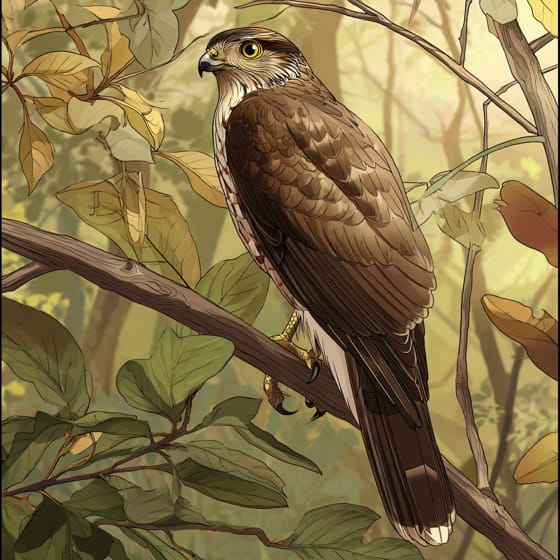
Accipiter cooperii
A swift aerial predator of small birds like the titmouse.
Malacosoma americanum
Feeds on these larvae, especially during breeding season.
Feathered describes animals, primarily birds, possessing a covering of feathers.
Crested describes animals possessing a prominent tuft of feathers, hair, or skin on their head.
Social animals live in organized groups, cooperating for survival benefits such as foraging, defense, and raising offspring.
This trait identifies organisms whose diet includes both plant and animal matter.

Singing animals produce complex vocalizations, often for purposes of attracting mates, defending territory, or communicating within their species.

Forest habitats are terrestrial environments dominated by dense tree cover, supporting a high diversity of plant and animal life.

Diurnal animals are primarily active during daylight hours, typically resting or sleeping at night.
No aliases listed yet.
Danger
1/5 · Very low
Always watch birds from a distance and don't try to touch them.
The easiest way to identify Black-crested Titmouse is to use the Snappit nature identifier app.
13-15 cm
20-25 cm
0.014-0.02 kg
2-7 years
35 km/h
This busy bird enjoys a mix of tiny insects and spiders, along with tasty seeds, nuts, and berries!
Forests
Zoom in to split clusters and explore where this object has been snapped.

Texas, US
You might spot Texas Hedgehog Cactus, Ornate Tree Lizard, and Cactus Wren.
View guide →

Texas, US
You might spot Reticulated Giraffe, Zebra, and White Rhinoceros.
View guide →

Texas, US
You might spot African Lion, Giraffes, and Hippopotamus.
View guide →

Texas, US
You might spot Antelopehorn Milkweed and Lindheimer's Senna.
View guide →

Texas, US
You might spot Mexican Buckeye, Agarita, and Monarch.
View guide →

Texas, US
You might spot Pipevine Swallowtail and Antelopehorn Milkweed.
View guide →
Take the discovery with you
Snap it with Snappit to identify it, learn what makes it special, and add the discovery to your collection.




.jpg&width=800)








