





black maidenhair fern
Adiantum capillus-veneris
The black maidenhair fern is a delicate plant with beautiful, fan-shaped leaves. It loves to grow in shady, moist places and adds a touch of green to gardens and forests.
Habitat: Forests
The black maidenhair fern has delicate, fan-shaped leaflets that are bright green, creating a soft, lacy appearance. Its most distinctive feature is the striking, thin, jet-black stems that beautifully contrast with the vibrant foliage. This combination gives it an elegant and airy look.
Category
PlantsRarity
Common
Danger
1/5 · Very low
Snaps
1
It reproduces by releasing super tiny spores, not seeds or flowers, like an ancient plant!
Its scientific name, 'capillus-veneris,' means 'Venus's hair' in Latin!
Some traditional cultures once believed it could make hair grow long and shiny!
This delicate fern can sometimes be found growing upside-down on wet cliff faces!
Black maidenhair fern can release millions of tiny spores from its fronds to create new plants without needing seeds or flowers.
This fern has creeping rhizomes, which are underground stems that help it spread horizontally and form new plant colonies.
The black maidenhair fern has unique fronds with a special coating that helps them shed water easily, preventing rot.

Arion ater
Slug may graze on young fronds.

Helix aspersa
Snail may feed on tender fern leaves.
Glomus microcarpum
Helps fern absorb water and nutrients.
Deciduous plants periodically shed all their leaves, typically during autumn or dry seasons.
Ornamental plants are cultivated primarily for their aesthetic appeal, enhancing landscapes and gardens with their attractive foliage, flowers, or form.
Shade tolerant plants are adapted to grow and thrive in areas with low light levels, requiring less direct sunlight.
Broadleaf trees are angiosperms characterized by flat, wide leaves that are typically shed annually in temperate climates.

Evergreen plants retain their foliage throughout the year, never shedding all their leaves at once.

Medicinal plants possess chemical compounds that can be used for therapeutic purposes to treat illnesses or maintain health.

Forest habitats are terrestrial environments dominated by dense tree cover, supporting a high diversity of plant and animal life.
No aliases listed yet.
Danger
1/5 · Very low
Always look but don't touch plants unless you know they're safe.
The easiest way to identify black maidenhair fern is to use the Snappit nature identifier app.
15-40 cm
20-50 cm
No
None
Perennial
Forests
Zoom in to split clusters and explore where this object has been snapped.

Tennessee, US
You might spot Black Maidenhair Fern and Great Blue Heron.
View guide →
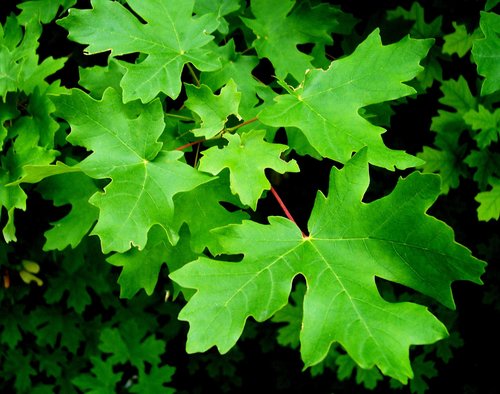
Texas, US
You might spot Bigtooth Maple, Texas Madrone, and Scarlet Leather Flower.
View guide →

Utah, US
You might spot Rock Squirrel, Mule Deer, and Plateau Fence Lizard.
View guide →
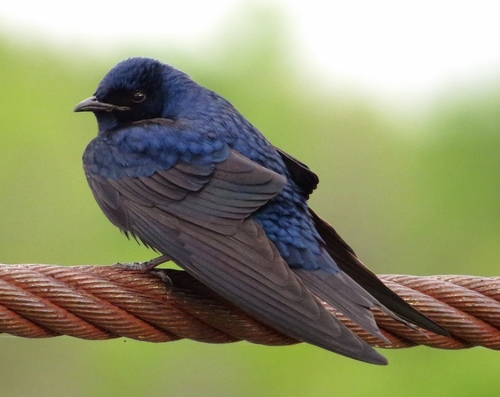
California, US
You might spot Purple Martin, Acorn Woodpecker, and Dark-Eyed Junco.
View guide →
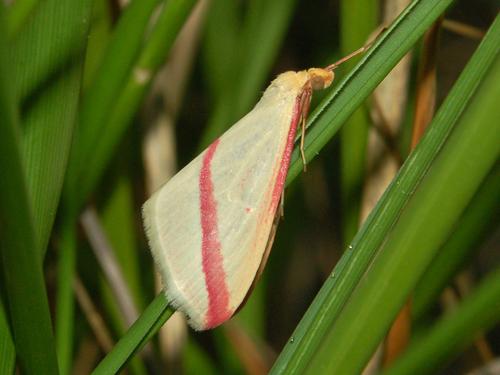
Spain, ES
You might spot Vestal, Eurasian Collared-Dove, and Common Blackbird.
View guide →
Take the discovery with you
Snap it with Snappit to identify it, learn what makes it special, and add the discovery to your collection.







.jpg&width=800)


_001.jpg&width=800)


