





black mangrove
Avicennia germinans
The black mangrove is a special tree that grows in muddy coastal areas. It has unique roots that stick up out of the ground to help it breathe and stay strong in the water.
Habitat: Coastal areas
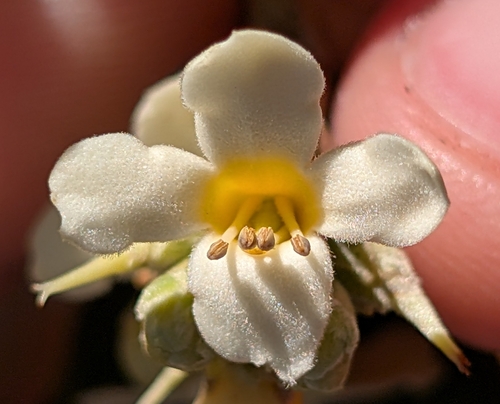
The black mangrove has distinctive dark, fissured bark and leathery, oval leaves that are shiny green above and silvery-white below. Its small, four-petaled flowers are creamy white, clustered at branch tips, offering a subtle contrast to the dark foliage.
Category
PlantsRarity
Common
Danger
1/5 · Very low
Snaps
3
Fallen black mangrove leaves feed tiny creatures at the bottom of the food web!
Indigenous peoples traditionally used parts of this tree for medicine and even dyes!
Its bark is so dark it gives the tree its common name, making it easy to spot!
This amazing tree creates new land by trapping sediment with its dense root system!
Black mangrove can remove excess salt through glands on its leaves, making them appear silvery, helping it thrive in saltwater.
Black mangrove has specialized, pencil-like root projections called pneumatophores that help its roots get oxygen in waterlogged soil.
Black mangrove can germinate its seeds while still attached to the tree, allowing seedlings to quickly establish in soft mud.
Apis mellifera
Bees gather nectar and pollen from its flowers.
Aratus pisonii
This crab climbs the tree to graze on its leaves.
Uca pugnax
Crabs find shelter and food among its roots and leaf litter.

Egretta thula
Birds nest and roost within its dense canopy and branches.
Flowering plants are any plants that produce flowers as part of their reproductive cycle.
Broadleaf trees are angiosperms characterized by flat, wide leaves that are typically shed annually in temperate climates.
Evergreen plants retain their foliage throughout the year, never shedding all their leaves at once.
Salt tolerant plants can withstand and grow in conditions with elevated salinity levels in the soil or water.

Describes plants that are particularly attractive and beneficial to a wide range of pollinating organisms.

This trait signifies organisms belonging to a very old evolutionary group with ancestors dating back millions of years.

This trait characterizes organisms with an exceptionally long lifespan compared to others of their kind.

Coastal habitats are dynamic environments located along the interface between land and sea, influenced by tides, waves, and saltwater.

Describes a species whose presence and role have a disproportionately large effect on its environment.
No aliases listed yet.
Danger
1/5 · Very low
Stay on paths and be careful near water when exploring mangroves.
The easiest way to identify black mangrove is to use the Snappit nature identifier app.
500-1000 cm
300-800 cm
0.5-1 cm
Spring to Summer
No
None
Perennial
Zoom in to split clusters and explore where this object has been snapped.
Jun 7, 2026
Palma Sola Botanical ParkPhoto attribution
no rights reserved
License: CC0 1.0 ↗
Image may be shown cropped inside the card frame.

US
You might spot Double-Crested Cormorant, Sea Grape, and Great Blue Heron.
View guide →

Florida, US
You might spot Eastern Redcedar, Fetterbush Lyonia, and Virginia Creeper.
View guide →

Florida, US
You might spot Brown Anole, Peters's Rock Agama, and White Ibis.
View guide →
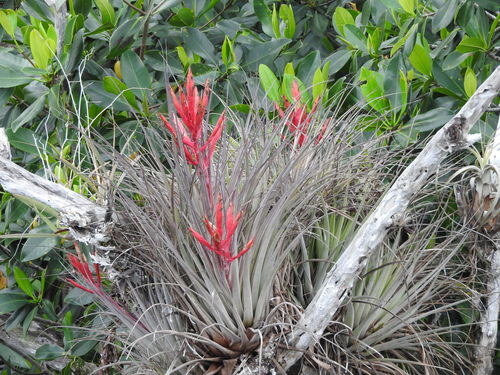
Florida, US
You might spot Tillandsia Fasciculata, Red Mangrove, and Giant Airplant.
View guide →

Florida, US
You might spot Brown Anole, Osprey, and White Ibis.
View guide →
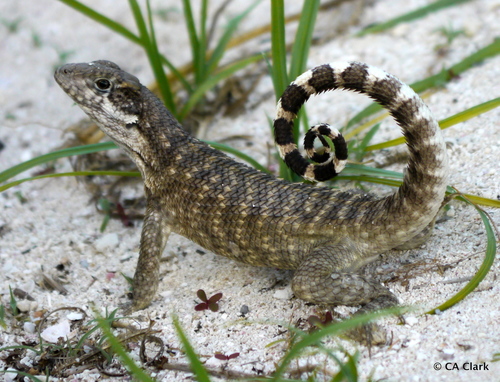
Florida, US
You might spot Northern Curly-Tailed Lizard and Green Iguana.
View guide →
Take the discovery with you
Snap it with Snappit to identify it, learn what makes it special, and add the discovery to your collection.








.jpg&width=800)


_001.jpg&width=800)


