





Snowy Egret
Egretta thula
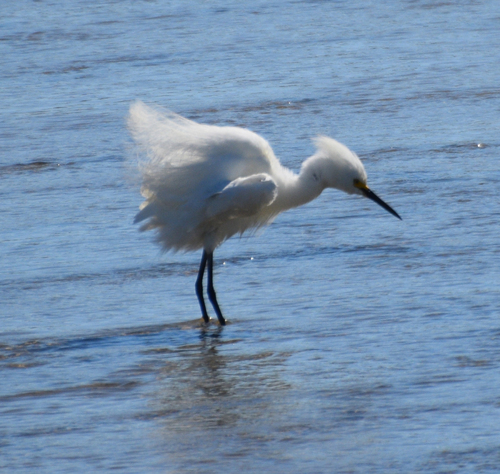
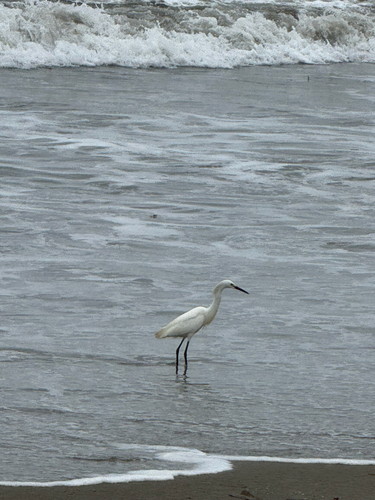
The Snowy Egret is a beautiful white bird with long legs and a slender neck. It loves to hunt for fish and can often be seen wading in shallow waters.
Habitat: Wetlands
The Snowy Egret has stunning pure white plumage with a slender black bill and long, black legs. Its most distinctive feature is its bright yellow feet, which contrast sharply with its dark legs and body. During breeding season, it grows delicate, lacy plumes on its head, neck, and back.
Category
BirdsRarity
Common
Danger
1/5 · Very low
Snaps
91
A group of egrets is called a 'congregation' or a 'colony' when nesting together!
Snowy Egrets build their messy stick nests high in trees or shrubs, often with other wading birds!
Wow! These birds were nearly hunted to extinction for their beautiful feathers in the 19th century!
Young Snowy Egrets are born helpless and need their parents to bring them food.
Snowy Egret can stir its bright yellow feet in shallow water to flush out hidden fish and other prey for an easier catch.
Snowy Egret can rapidly extend its neck and jab its sharp bill at unsuspecting aquatic prey with incredible speed and accuracy.
Snowy Egret has specialized plumes that become extra fluffy during courtship, helping attract mates with a grand display.
Snowy Egrets are expert fishers, but they also eat many other small creatures found in the water.

Gambusia holbrooki
A small fish frequently caught in shallow waters.
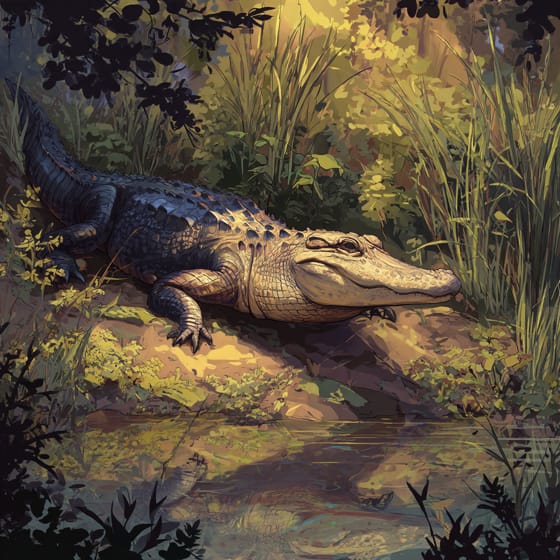
Alligator mississippiensis
Opportunistically preys on egret eggs, chicks, or even adults.
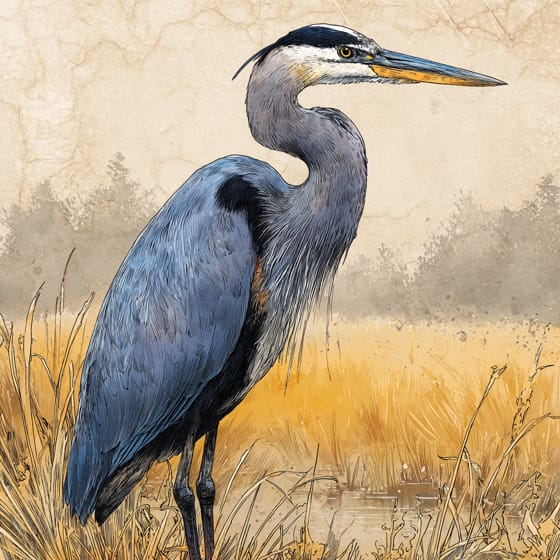
Ardea herodias
Often nests in mixed colonies, sharing resources and protection.
Quercus virginiana
Builds nests in the branches of these sturdy coastal trees.
Feathered describes animals, primarily birds, possessing a covering of feathers.
Characterized by having toes connected by a membrane, typically aiding in swimming.
Solitary animals live alone for most of their lives, only interacting with others for mating or parental care.
Piscivorous organisms are animals that primarily subsist on a diet of fish.

This habitat trait identifies species found in wetlands, which are areas of land saturated with water, either permanently or seasonally, including marshes, swamps, and bogs.

This trait identifies organisms whose diet consists entirely or primarily of animal tissue.

Diurnal animals are primarily active during daylight hours, typically resting or sleeping at night.

Endangered status indicates a species is at a very high risk of extinction in the wild in the near future.
No aliases listed yet.
Danger
1/5 · Very low
Always watch birds from a distance and do not try to touch them.
The easiest way to identify Snowy Egret is to use the Snappit nature identifier app.
56-66 cm
100-107 cm
0.35-0.45 kg
5-10 years
42 km/h
Snowy Egrets are expert fishers, but they also eat many other small creatures found in the water.
Wetlands
Zoom in to split clusters and explore where this object has been snapped.
Jun 13, 2026
Wellfleet Bay Wildlife SanctuaryPhoto attribution
(c) Natasha Haggard, some rights reserved (CC BY)
License: CC BY 4.0 ↗
Image may be shown cropped inside the card frame.
Jun 7, 2026
Venice Canal Historic DistrictPhoto attribution
(c) Hartwig Adam, some rights reserved (CC BY)
License: CC BY 4.0 ↗
Image may be shown cropped inside the card frame.
Jun 6, 2026
Venice Canal Historic DistrictPhoto attribution
(c) Roberto Daniel Avila, some rights reserved (CC BY)
License: CC BY 4.0 ↗
Image may be shown cropped inside the card frame.
Jun 6, 2026
Andree Clark Bird RefugePhoto attribution
(c) Sergei Maslov, some rights reserved (CC BY-SA)
License: CC BY-SA 4.0 ↗
Image may be shown cropped inside the card frame.
Jun 2, 2026
Stone Harbor Bird SanctuaryPhoto attribution
(c) GobyHunter, some rights reserved (CC BY)
License: CC BY 4.0 ↗
Image may be shown cropped inside the card frame.

California, US
You might spot Snowy Egret, Great Blue Heron, and Willet.
View guide →

Georgia, US
You might spot Brown Anole, Anole, and Gulf Fritillary.
View guide →

California, US
You might spot Peridot Sweat Bee and Western Fence Lizard.
View guide →

South Carolina, US
You might spot Brown Pelican, Boat-Tailed Grackle, and Great Egret.
View guide →

US
You might spot Monarch, Ipsilon Dart Moth, and Canada Goose.
View guide →

Texas, US
You might spot Eastern Fox Squirrel and Great-Tailed Grackle.
View guide →
Take the discovery with you
Snap it with Snappit to identify it, learn what makes it special, and add the discovery to your collection.






.jpg&width=800)








