_a_(4644831482).jpg&width=800)





Black Tern
Chlidonias niger
The Black Tern is a small, graceful bird that loves to fly over water. It has a black cap on its head and white underparts, making it look very stylish while hunting for fish.
Habitat: Wetlands
The Black Tern is a medium-sized waterbird, distinct for its slate-grey back and striking jet-black head and underparts during breeding. Its pointed wings and slightly forked tail give it an elegant, agile appearance in flight.
Category
BirdsRarity
Common
Danger
1/5 · Very low
Snaps
3
Black Tern chicks can swim and hide from danger almost immediately after hatching!
Black Terns perform spectacular courtship dances, flying together in graceful, acrobatic loops!
They fly thousands of miles to warmer wintering areas, crossing continents!
Unlike many terns, they prefer dipping for food rather than plunge-diving headfirst!
Black Terns can swiftly change direction mid-air to catch insects because of their pointed wings and streamlined body.
Black Terns can pick small fish and insects from the water's surface without landing, using their delicate bills.
Black Terns can create nests on floating wetland vegetation because their lightweight bodies allow them to balance on unstable platforms.
These agile birds mostly catch insects in the air and small fish from the water's surface.
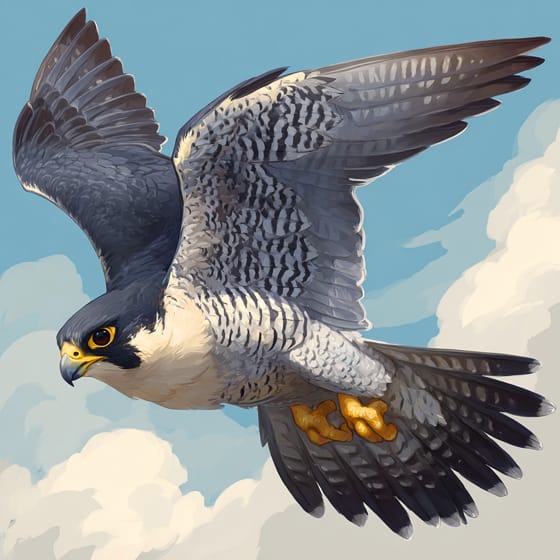
Falco peregrinus
Known to prey on adult Black Terns during migration.
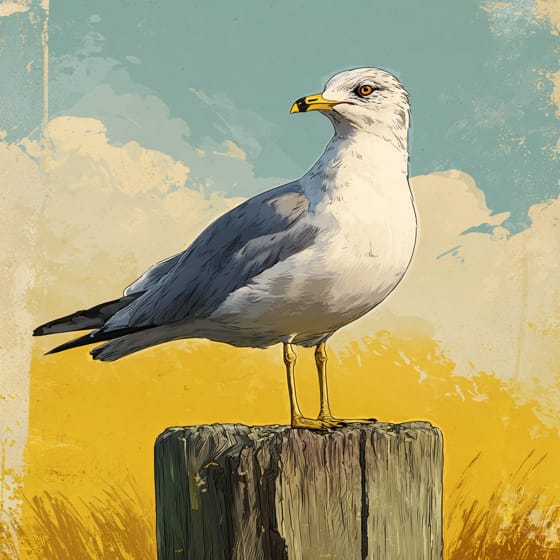
Larus delawarensis
Opportunistic predator of eggs and chicks in nesting colonies.
Typha latifolia
Provides crucial floating vegetation for nesting sites in wetlands.
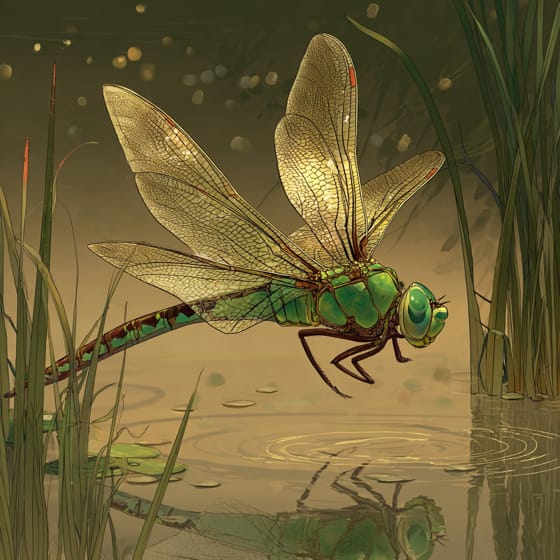
Anax junius
A primary food source, caught in mid-air above wetlands.
Feathered describes animals, primarily birds, possessing a covering of feathers.
Social animals live in organized groups, cooperating for survival benefits such as foraging, defense, and raising offspring.
Aerial creatures spend a significant portion of their lives airborne, utilizing flight for various activities such as hunting, migration, or nesting.
Piscivorous organisms are animals that primarily subsist on a diet of fish.

This habitat trait identifies species found in wetlands, which are areas of land saturated with water, either permanently or seasonally, including marshes, swamps, and bogs.

Diurnal animals are primarily active during daylight hours, typically resting or sleeping at night.

Describes a species whose presence and role have a disproportionately large effect on its environment.

Migratory animals undertake seasonal movements from one region to another, typically in response to changes in climate or food availability.
No aliases listed yet.
Danger
1/5 · Very low
If you see a bird's nest, be careful not to disturb it. It's important to let birds take care of their babies.
The easiest way to identify Black Tern is to use the Snappit nature identifier app.
22-26 cm
50-56 cm
0.06-0.075 kg
10-17 years
35 km/h
These agile birds mostly catch insects in the air and small fish from the water's surface.
Wetlands
Zoom in to split clusters and explore where this object has been snapped.
May 10, 2026
Fort SupplyPhoto attribution
no rights reserved
License: CC0 1.0 ↗
Image may be shown cropped inside the card frame.

Oregon, US
You might spot Belding's Ground Squirrel and Yellow-Headed Blackbird.
View guide →

Oklahoma, US
You might spot Ring-Billed Gull and Great Blue Heron.
View guide →

New York, US
You might spot Great Blue Heron, Bald Eagle, and Pied-Billed Grebe.
View guide →

Ontario, CA
You might spot Barn Swallow and Northern Yellow Warbler.
View guide →
Take the discovery with you
Snap it with Snappit to identify it, learn what makes it special, and add the discovery to your collection.




.jpg&width=800)








