Barn Swallow

Point Pelee National Park, Canada's southernmost mainland point, offers a truly unique natural experience, where diverse ecosystems converge in a dynamic landscape.
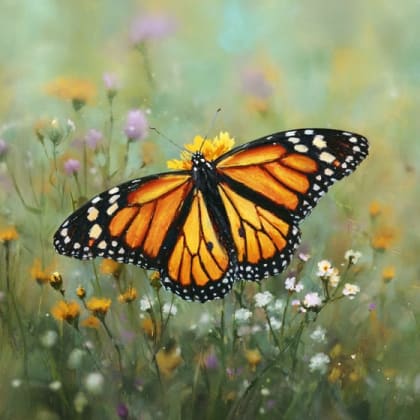
Point Pelee National Park, Canada's southernmost mainland point, offers a truly unique natural experience, where diverse ecosystems converge in a dynamic landscape. This geological marvel, a sandspit jutting into Lake Erie, is renowned as one of North America's most significant stopovers for migratory birds and Monarch butterflies, despite being Canada's second smallest national park. Its rich biodiversity, including rare Carolinian forest species, expansive marshlands, and sandy beaches, makes it an ecological treasure.
The park boasts a tapestry of habitats, from lush forests to vast marshlands and savannahs, nurturing an incredible array of wildlife. Visitors can explore the iconic Marsh Boardwalk, a floating trail that immerses you in one of the largest remaining southern Great Lakes marshes, where you might spot Painted Turtles basking, Green Frogs, Common Garter Snakes, and the vibrant Red-winged Blackbird. The park's diverse birdlife includes numerous warblers like the Northern Yellow Warbler, Prothonotary Warbler, Chestnut-sided Warbler, and Magnolia Warbler, along with the striking Baltimore Oriole and Scarlet Tanager. Unique flora, such as Eastern Pricklypear and common hackberry, also thrives here.
Point Pelee is an unforgettable destination for anyone passionate about nature, offering a chance to witness the spectacular spring and fall migrations of countless birds and Monarch butterflies. Beyond its feathered and winged visitors, the park provides serene landscapes for hiking, paddling, and cycling, culminating at its famous "Tip" where two opposing currents meet. Its designation as a Dark Sky Preserve also means visitors can experience breathtaking starry nights. Whether you're a seasoned birder, a family seeking outdoor adventure, or simply looking for a peaceful escape into nature, Point Pelee offers a memorable and inspiring journey into Canada's natural heritage. Enhance your adventure: download the Snappit app to identify the local species you encounter.
Point Pelee's distinctive landscape was sculpted by glaciers approximately 15,000 years ago, with currents and wind gradually forming the sandspit over thousands of years. Indigenous peoples, including the Caldwell First Nation and Walpole Island First Nation, have called this area home for at least 6,000 years. The park received its name, "Pointe-Pelée" (meaning "bald point"), from French explorers Dollier and Galinée in 1670, referencing the treeless eastern side. The park was officially established in 1918, becoming Canada's first national park designated specifically for conservation, thanks to the advocacy of ornithologists and naturalists who recognized its critical importance for migratory birds.
Birdwatching: Over 390 bird species recorded, with peak migration in spring and fall.
Hiking: Explore over 14 km of trails through various landscapes. Popular trails include the Marsh Boardwalk, Tip Trail, DeLaurier Homestead Trail, and Tilden Woods Trail.
Paddling: Canoe or kayak through the marsh from the Marsh Boardwalk. Rentals are available.
Cycling: Utilize the 12 km of bike trails, including the Centennial Bike and Hike Trail.
Swimming: Enjoy designated beaches like Northwest Beach and West Beach. **Avoid swimming at the Tip due to dangerous currents.
Stargazing: On Dark Sky Nights, the park offers exceptional views of the night sky.
Spring: Peak bird migration, Festival of Birds. Wildflowers such as Dutchman's breeches and great waterleaf bloom.
Summer: Warm weather ideal for beaches and paddling, but can be hot and humid. Expect to see frogs, turtles, and snakes.
Fall: Monarch butterfly migration and fall bird migration. The Carolinian forest displays vibrant autumn colours.
Winter: Quieter season, trails remain accessible, and private vehicles are allowed to drive to the Tip.
Point Pelee National Park offers significant accessibility. The Visitor Centre, Camp Henry, DeLaurier building exhibits, Marsh Boardwalk, and the Tip area all have wheelchair access. Accessible washrooms are available at these locations, as well as Northwest Beach. All-terrain wheelchairs are available for loan from the Visitor Centre, and the shuttle service to the Tip is wheelchair accessible.
The southernmost point of mainland Canada, accessible by a free shuttle from April to October.
A 1 km floating boardwalk loop with an observation tower, offering immersive views of the marsh and its wildlife.
Features exhibits and an introductory film about the park.
A 1.2 km loop showcasing the park's human history and diverse habitats.
Each card links to a full Explore page with photos, traits, and fun facts.
Start with the big picture, then zoom in to explore individual wildlife observations around this place.
Arrive early
Especially during peak migration seasons (spring for birds, late summer for Monarchs) to avoid crowds and secure parking. Early mornings also offer the best wildlife viewing opportunities.
Bring binoculars and a field guide
Point Pelee is a birdwatching paradise, so these tools will greatly enhance your experience.
Pack water and snacks
While there are cafes, bringing your own refreshments, or even a picnic, is highly recommended, especially during warmer months.
Use the shuttle to The Tip
From April to October, a free shuttle service operates between the Visitor Centre and The Tip. Private vehicles are not allowed on this section of the road during these months.
Dress appropriately and be prepared for insects: Wear light-colored, long-sleeved clothing during warmer months to help deter stable flies, particularly around the marsh.
Stay on marked trails and heed warnings
Always observe signage, especially regarding swimming restrictions at The Tip, where currents are extremely dangerous.
May 18, 2024
May 21, 2023
May 7, 2022
Aug 8, 2020

Maryland, US
You might spot White-Tailed Deer and Eastern Gray Squirrel.
View guide →
.jpg)
District of Columbia, US
You might spot Eastern Gray Squirrel, Duck, and House Sparrow.
View guide →

Illinois, US
You might spot American Robin, Canada Goose, and House Sparrow.
View guide →

Virginia, US
You might spot Spotted Lanternfly and Northern Cardinal.
View guide →
Take the discovery with you
Identify the wildlife you spot, learn as you go, and keep a collection of the adventure.