





bladder campion
Silene vulgaris
Bladder campion is a pretty flower that grows in fields and meadows. It has unique balloon-like seed pods that look like tiny balloons, making it fun to spot!
Habitat: Grasslands
The bladder campion has delicate white flowers with petals deeply notched, giving them a frilly look. Its most distinctive feature is the inflated, balloon-like calyx (the papery structure behind the petals) which is pale green or purplish, making it visually distinct from other wildflowers.
Category
PlantsRarity
Common
Danger
1/5 · Very low
Snaps
20
In some parts of Italy, people gather the young leaves and shoots to cook and eat them like spinach or asparagus!
Its scientific name, *Silene*, might come from Silenus, a portly figure in Greek mythology, just like the flower's puffy shape!
The pretty white petals of this flower are deeply split, making them look like ten separate petals, but there are actually only five!
You might hear its dried seeds rattle inside the papery 'bladder' if you shake it, making a tiny natural maraca!
Bladder campion has an inflated, papery calyx that helps protect its developing seeds from some insects and adverse weather conditions.
This plant's flowers release a stronger, sweet fragrance at night to attract nocturnal pollinators like moths, ensuring successful reproduction.
Bladder campion seeds can remain viable in the soil for many years, allowing the plant to regrow after disturbances and colonize new areas.
Bombus terrestris
Visits flowers for nectar and pollen
Deilephila elpenor
Feeds on nectar, especially at night
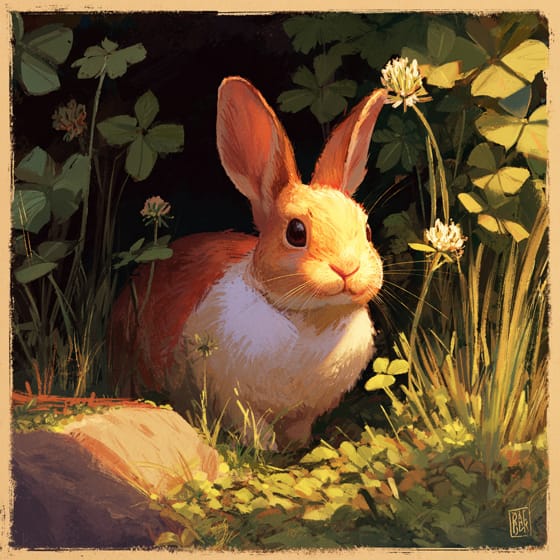
Oryctolagus cuniculus
Browses on young leaves and shoots
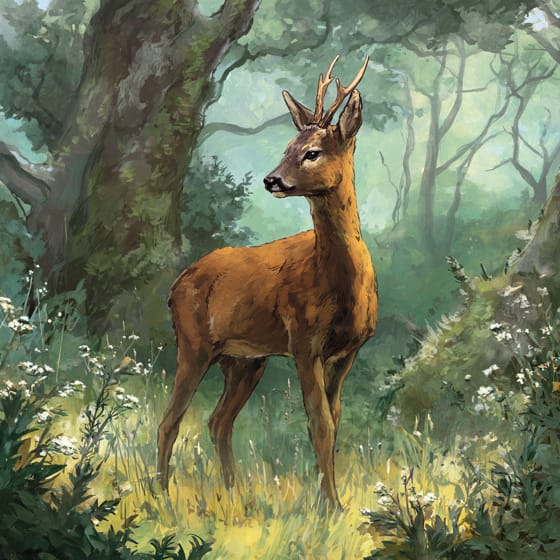
Capreolus capreolus
Graze on the foliage
Flowering plants are any plants that produce flowers as part of their reproductive cycle.
Spring blooming plants produce their flowers during the spring season, often signifying the end of winter and the start of new growth.
Summer blooming plants produce their flowers during the summer season, often providing vibrant color when many other plants have finished.
Fragrant flowers emit a pleasant aroma, often to attract pollinators or for defense.

Edible plants are those parts of a plant that are considered safe for human consumption.

Grassland habitats are terrestrial biomes dominated by grasses and herbaceous plants, supporting a variety of grazing animals.

Describes plants that are particularly attractive and beneficial to a wide range of pollinating organisms.
No aliases listed yet.
Danger
1/5 · Very low
Always look but don't touch wild flowers, as some can be harmful.
The easiest way to identify bladder campion is to use the Snappit nature identifier app.
30-90 cm
20-45 cm
1.5-2.5 cm
Late spring to late summer
Yes
None
Perennial
Zoom in to split clusters and explore where this object has been snapped.

Vermont, US
You might spot Eastern White Pine, Staghorn Sumac, and Box Elder.
View guide →
New Hampshire, US
You might spot Eastern White Pine, Eastern Skunk Cabbage, and Duck.
View guide →

New Hampshire, US
You might spot Eastern White Pine and White-Tailed Deer.
View guide →

Michigan, US
You might spot Bladder Campion, Bearberry, and Common Milkweed.
View guide →

New York, US
You might spot Garter Snake, Painted Turtle, and Monarch.
View guide →

Québec, CA
You might spot Common Eastern Bumble Bee and Asian Lady Beetle.
View guide →
Take the discovery with you
Snap it with Snappit to identify it, learn what makes it special, and add the discovery to your collection.








.jpg&width=800)


_001.jpg&width=800)



