





Blue-spotted Salamander
Ambystoma laterale
The Blue-spotted Salamander is a small, colorful creature with bright blue spots on its dark skin. It loves to live in damp places and is often found under logs or rocks in the forest.
Habitat: Forests
The Blue-spotted Salamander has a slender, dark bluish-black body covered in bright, irregular sky-blue spots or flecks, particularly along its sides. These distinctive markings set it apart from other dark salamanders, making it easily identifiable.
Category
AmphibiansRarity
Common
Danger
1/5 · Very low
Snaps
6
Some blue-spotted salamanders have extra sets of DNA from other salamander species!
These amazing salamanders return to the same pond every year to lay their eggs.
They spend most of their lives hidden underground, only emerging to breed or hunt.
They use their amazing sense of smell to find hidden food and even detect danger.
Blue-spotted Salamander can breathe through its moist skin and mouth lining, which helps it absorb oxygen underwater and on land.
Blue-spotted Salamander has glands in its skin that release a mild, sticky toxin, which helps deter predators when grabbed.
These small hunters eat tiny insects, worms, and other small creatures found in damp places.
Age differences: Larvae eat tiny aquatic invertebrates in water, while adults primarily hunt terrestrial prey on land.
Thamnophis sirtalis
Preys on adult salamanders.
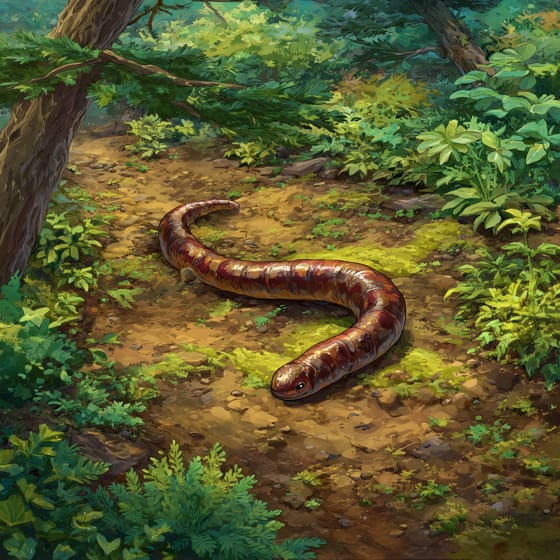
Lumbricus terrestris
A primary food source for adults.

Procyon lotor
Hunts salamanders near ponds.

Arion ater
Consumes these slow-moving invertebrates.
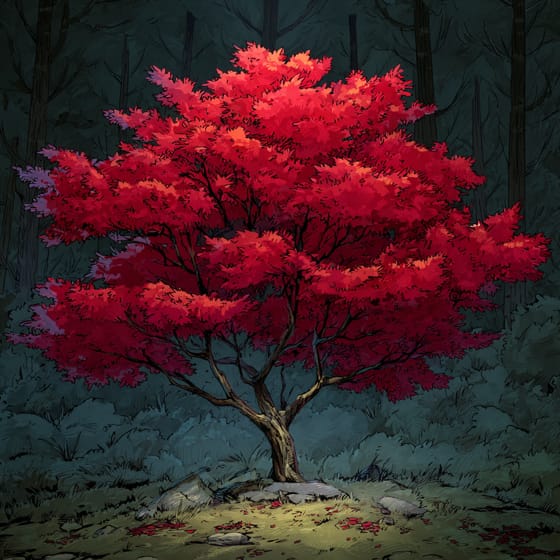
Acer rubrum
Requires leaf litter from trees for shelter.
Marked with spots or patches of a different color.
Solitary animals live alone for most of their lives, only interacting with others for mating or parental care.
Colorful describes organisms or objects displaying a wide range of bright and distinct colors.
This trait identifies organisms whose diet primarily consists of insects and other small invertebrates.

Forest habitats are terrestrial environments dominated by dense tree cover, supporting a high diversity of plant and animal life.

This trait characterizes organisms with an exceptionally long lifespan compared to others of their kind.

Regenerative organisms possess the ability to regrow lost or damaged body parts, tissues, or organs.

Nocturnal animals are primarily active during the nighttime hours, typically resting or sleeping during the day.
No aliases listed yet.
Danger
1/5 · Very low
Always watch where you step in the forest, and don't touch wild animals without asking an adult.
The easiest way to identify Blue-spotted Salamander is to use the Snappit nature identifier app.
10-14 cm
0.005-0.01 kg
10-15 years
0.1 km/h
These small hunters eat tiny insects, worms, and other small creatures found in damp places.
Forests
Ambush
Zoom in to split clusters and explore where this object has been snapped.

Wisconsin, US
You might spot African Elephant, Humboldt Penguin, and Gorilla.
View guide →

Connecticut, US
You might spot Canada Mayflower, Common Milkweed, and American Toad.
View guide →
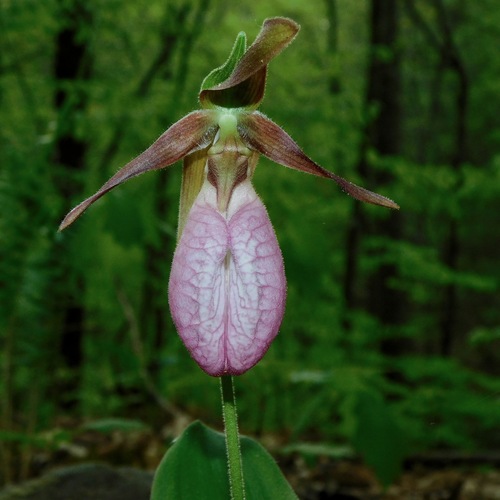
Maine, US
You might spot Pink Lady's Slipper and Common Ribbon Snake.
View guide →

Indiana, US
You might spot Sweetfern, Blue-Spotted Salamander, and Sensitive Fern.
View guide →

Minnesota, US
You might spot Eastern White Pine, Ruffed Grouse, and Northern Pin Oak.
View guide →
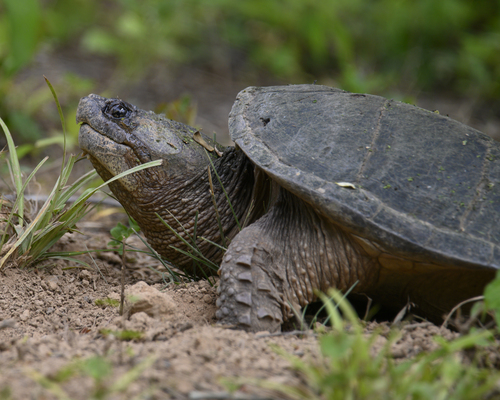
Wisconsin, US
You might spot Snapping Turtle and White-Tailed Deer.
View guide →
Take the discovery with you
Snap it with Snappit to identify it, learn what makes it special, and add the discovery to your collection.







.JPG&width=800)



.jpg&width=800)
