





Broad-leaved helleborine
Epipactis helleborine
The Broad-leaved helleborine is a beautiful flower that grows in shady places. It has broad leaves and tall stems with clusters of lovely greenish-purple flowers that bloom in summer.
Habitat: Forests
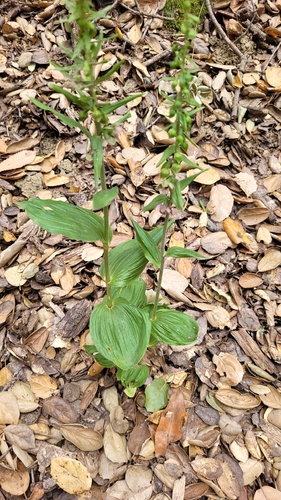
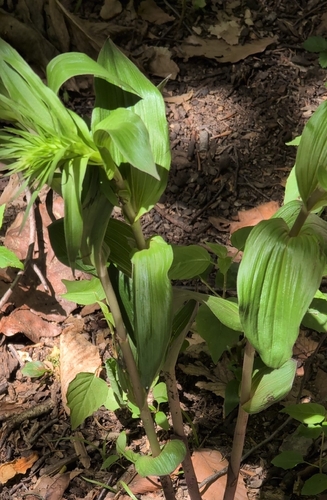
The Broad-leaved helleborine has a tall, leafy stem holding many small, drooping flowers. These unusual orchid flowers are often greenish-purple or brownish, making them hard to spot against their woodland backdrop. It stands out with its broad, ribbed leaves spiraling up the stem.
Category
PlantsRarity
Common
Danger
1/5 · Very low
Snaps
23
It's a wild orchid, but it grows in many places, even your garden!
It's part of the huge orchid family, one of the biggest plant families on Earth!
Its flowers are often greenish-purple, making them tricky to spot in dappled shade!
This plant can sometimes grow straight out of cracks in pavements or old walls!
Broad-leaved helleborine produces nectar that can slightly intoxicate wasps, making them efficient pollinators.
Broad-leaved helleborine uses special root fungi to help it absorb nutrients from the soil, especially as a seedling.
Broad-leaved helleborine creates thousands of dust-like seeds that can travel far on the wind to find new homes.
Vespula vulgaris
Attracted to its nectar

Arion ater
Slugs feed on its leaves
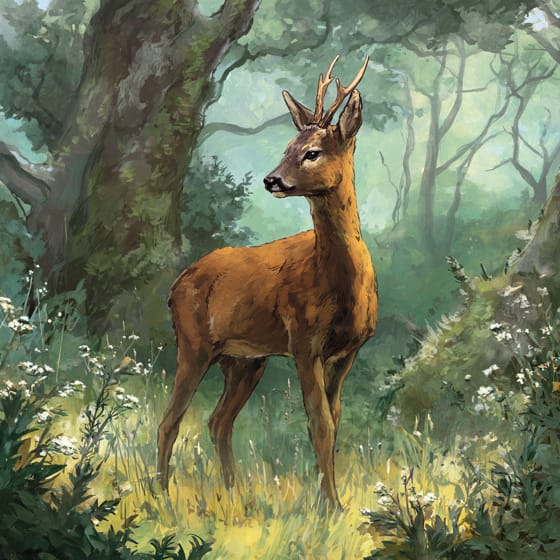
Capreolus capreolus
Deer graze on the plant
Flowering plants are any plants that produce flowers as part of their reproductive cycle.
Cluster flowers are inflorescences where individual flowers are arranged closely together on a common stem.
Shade tolerant plants are adapted to grow and thrive in areas with low light levels, requiring less direct sunlight.
Summer blooming plants produce their flowers during the summer season, often providing vibrant color when many other plants have finished.

Medicinal plants possess chemical compounds that can be used for therapeutic purposes to treat illnesses or maintain health.

Describes plants that are particularly attractive and beneficial to a wide range of pollinating organisms.

Forest habitats are terrestrial environments dominated by dense tree cover, supporting a high diversity of plant and animal life.

This trait characterizes organisms with an exceptionally long lifespan compared to others of their kind.
No aliases listed yet.
Danger
1/5 · Very low
Do not pick flowers; they are best enjoyed in nature!
The easiest way to identify Broad-leaved helleborine is to use the Snappit nature identifier app.
20-100 cm
1-2 cm
Summer
No
Mild
Perennial
Insect
Zoom in to split clusters and explore where this object has been snapped.
Jun 19, 2026
Blake GardenPhoto attribution
(c) D Defreese, some rights reserved (CC BY)
License: CC BY 4.0 ↗
Image may be shown cropped inside the card frame.
Jun 4, 2026
John J. Tyler ArboretumPhoto attribution
no rights reserved
License: CC0 1.0 ↗
Image may be shown cropped inside the card frame.

Pennsylvania, US
You might spot Mountain Laurel, Ghost Pipe, and Sweetfern.
View guide →

California, US
You might spot Monarch, Bee, and Anise Swallowtail.
View guide →

California, US
You might spot Great Blue Heron, Western Gull, and Coyote.
View guide →

Wisconsin, US
You might spot White-Tailed Deer, American Robin, and Canada Goose.
View guide →
California, US
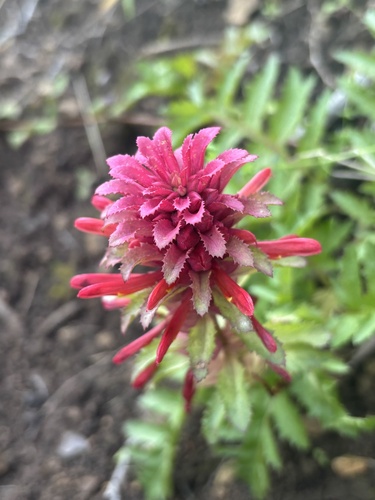
You might spot Warrior's Plume, Western Leatherwood, and White Globe Lily.
View guide →

Quebec, CA
You might spot Alder Buckthorn, Common Blue, and Eastern Gray Squirrel.
View guide →
Take the discovery with you
Snap it with Snappit to identify it, learn what makes it special, and add the discovery to your collection.






.jpg&width=800)



_001.jpg&width=800)


