





Canis Lupus Baileyi
canis lupus baileyi
The Canis Lupus Baileyi, or the Mexican gray wolf, is a beautiful and social animal that lives in packs. These wolves are great hunters and play an important role in their ecosystem!
Habitat: They live in forests, mountains, and grasslands in the southwestern United States and northern Mexico.
The Canis Lupus Baileyi is the smallest North American gray wolf, featuring dense fur that blends black, white, gray, and rust colors. It often has a distinctive dark saddle mark on its back. This subspecies possesses a lean, muscular build.
Category
MammalsRarity
Common
Danger
2/5 · Low
Snaps
Be the first to snap!
Mexican gray wolves can travel many miles each day searching for food.
Only the alpha male and female usually have pups in a wolf pack.
Pups are born blind and deaf, totally dependent on their mother's care.
Their thick fur helps them survive extreme temperatures, hot or cold!
Canis Lupus Baileyi can detect prey from far away because of their incredibly powerful sense of smell.
Canis Lupus Baileyi has exceptional stamina that helps them chase down prey over long distances.
Canis Lupus Baileyi can hunt large animals because of their strong social bonds, allowing pack cooperation.
Canis Lupus Baileyi has fur with diverse colors that helps them blend perfectly into various habitats.
These top predators mainly hunt deer and other wild animals to stay healthy and strong.
Age differences: Pups drink milk, then eat regurgitated food, eventually switching to solid meat.
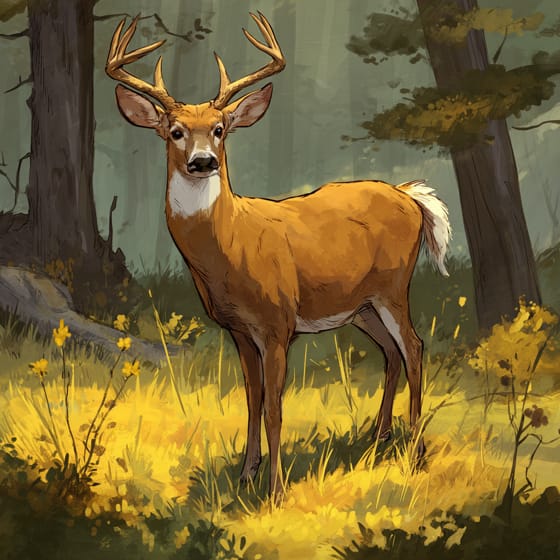
Odocoileus virginianus
Main prey, helping control deer populations.
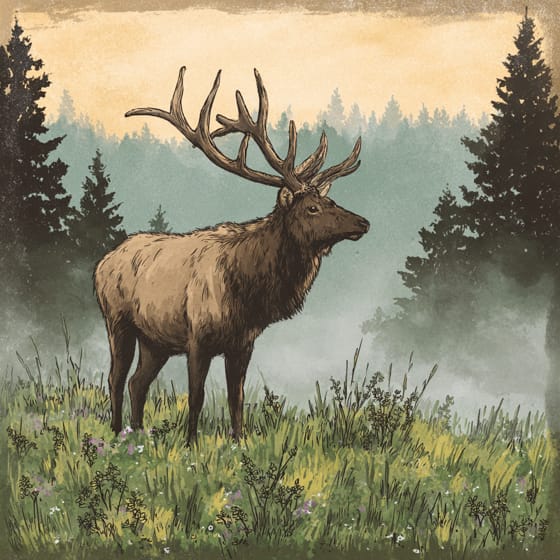
Cervus canadensis
A larger prey animal for wolf packs.

Pecari tajacu
Packs also hunt javelinas in their desert habitat.
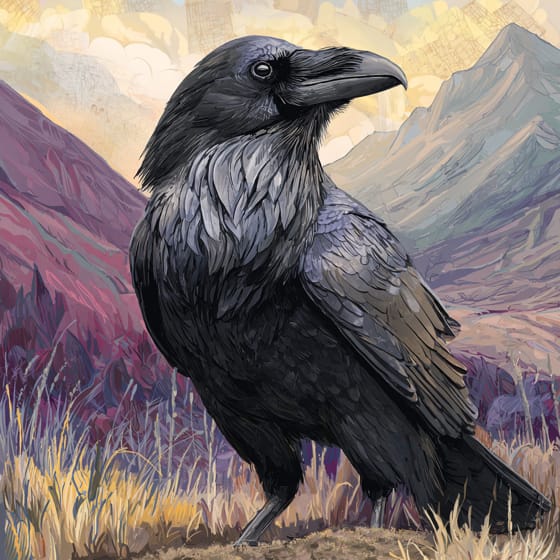
Corvus corax
Ravens often follow wolves to scavenge leftovers.
Furry describes animals possessing a dense covering of soft hair or fur.
Social animals live in organized groups, cooperating for survival benefits such as foraging, defense, and raising offspring.
Forest habitats are terrestrial environments dominated by dense tree cover, supporting a high diversity of plant and animal life.
This trait identifies organisms whose diet consists entirely or primarily of animal tissue.

Nocturnal animals are primarily active during the nighttime hours, typically resting or sleeping during the day.
Danger
2/5 · Low
Do not approach wild animals, always observe from a distance.
The easiest way to identify Canis Lupus Baileyi is to use the Snappit nature identifier app.
125-170 cm
23-41 kg
6-13 years
60 km/h
These top predators mainly hunt deer and other wild animals to stay healthy and strong.
They live in forests, mountains, and grasslands in the southwestern United States and northern Mexico.
Pursuit
Zoom in to split clusters and explore where this object has been snapped.
Recent snaps will appear here as new observations are added.
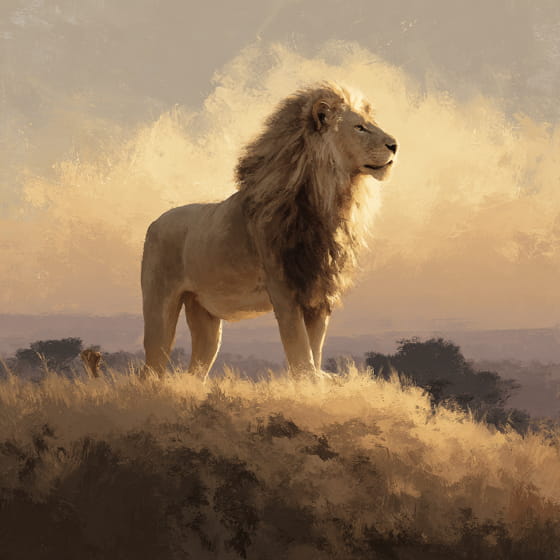
Texas, US
You might spot African Lion, Giraffes, and Meerkat.
View guide →

Indiana, US
You might spot Panthera Pardus Orientalis and Reticulated Giraffe.
View guide →
.jpg&width=800)
Michigan, US
You might spot Reticulated Giraffe, Red Panda, and Snow Leopard.
View guide →
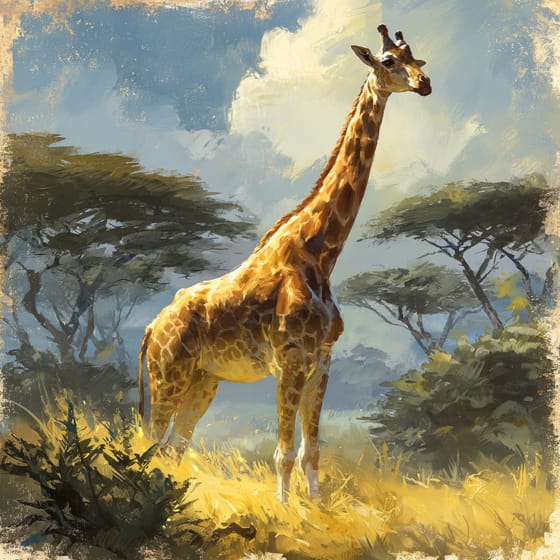
Arizona, US
You might spot Giraffes, African Lion, and Bornean Orangutan.
View guide →
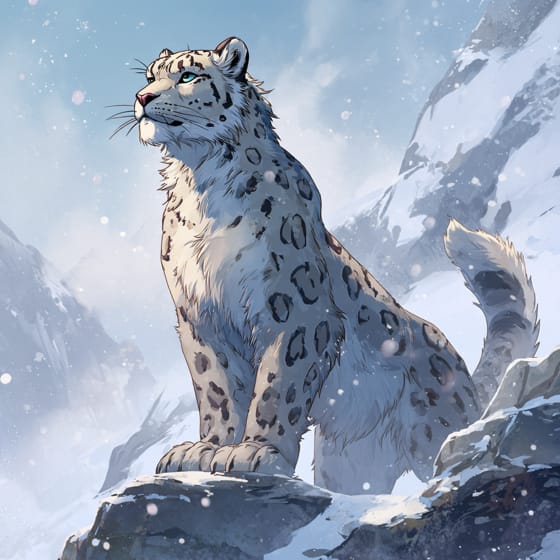
Massachusetts, US
You might spot Snow Leopard, Jaguar, and Canis Lupus Baileyi.
View guide →

New Mexico, US
You might spot Canis Lupus Baileyi, Hawaiian Goose, and Ring-Tailed Lemur.
View guide →
Take the discovery with you
Snap it with Snappit to identify it, learn what makes it special, and add the discovery to your collection.




.jpg&width=800)


.JPG&width=800)



.jpg&width=800)
