.jpg&width=800)





Canyon Tree Frog
hyla arenicolor
The Canyon Tree Frog is a small and colorful frog that loves to climb trees! It makes a funny ribbit sound that can be heard at night.
Habitat: Canyon Tree Frogs live in rocky canyons and areas with trees, especially in the southwestern United States.
The Canyon Tree Frog has a rough, warty skin, often mottled in shades of gray, olive, or brown, helping it blend seamlessly with rocky surroundings. It features a light stripe running from its nostril to its eye and distinctive large, sticky toe pads.
Category
AmphibiansRarity
Common
Danger
0/5 · No known danger
Snaps
3
Canyon Tree Frog tadpoles often gather in warm, shallow water.
Even in deserts, female frogs need puddles or streams to lay their eggs.
Their loud, rattling call sounds just like a person snoring!
These frogs spend sunny days perfectly hidden in rock crevices.
Canyon Tree Frog can change its skin color and pattern because of special cells, helping them instantly disappear against rocks or mud.
Canyon Tree Frog has large, sticky toe pads that help them cling securely to vertical canyon walls and slippery rocks without falling.
Canyon Tree Frog can absorb and store water through its skin, helping them survive dry periods in their arid canyon homes.
Canyon Tree Frog is most active at night, allowing them to hunt insects when it's cooler and many prey items are active.
Eats various small insects and other tiny invertebrates it ambushes and catches.
Age differences: Tadpoles graze on algae; adults are carnivorous, eating insects and other small invertebrates.
Thamnophis elegans
A common snake predator in its habitat.
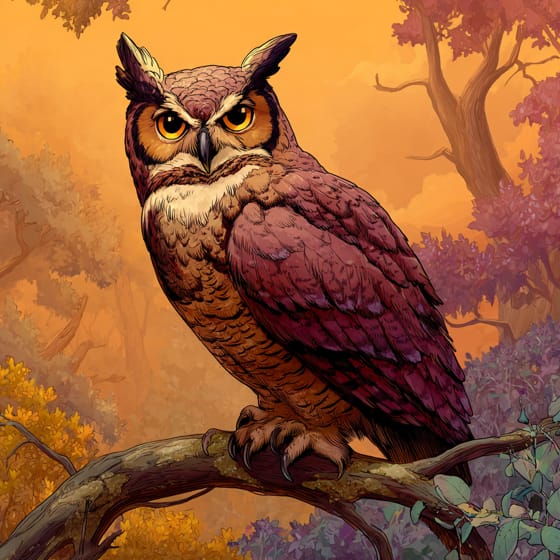
Bubo virginianus
A large nocturnal bird that preys on frogs.

Procyon lotor
Often searches for amphibians along water sources.
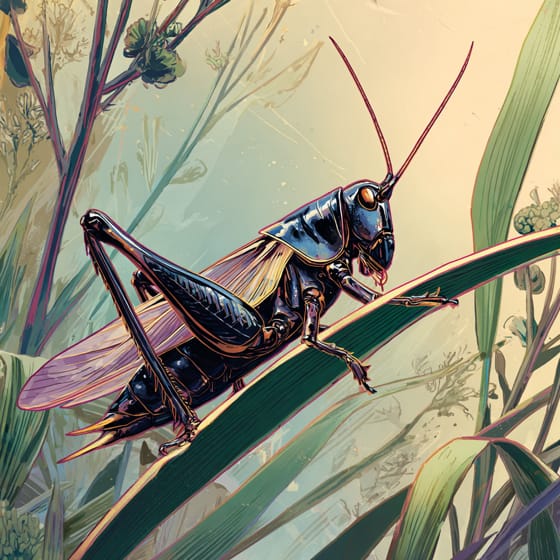
Gryllus assimilis
A common insect prey item for adult frogs.
Manduca sexta
Adult moths are often caught by these nocturnal hunters.
Solitary animals live alone for most of their lives, only interacting with others for mating or parental care.
Arboreal animals live primarily in trees, utilizing them for shelter, food, and protection from predators.
Colorful describes organisms or objects displaying a wide range of bright and distinct colors.
This trait identifies organisms whose diet consists entirely or primarily of animal tissue.

Nocturnal animals are primarily active during the nighttime hours, typically resting or sleeping during the day.
Danger
0/5 · No known danger
No special safety notes yet.
The easiest way to identify Canyon Tree Frog is to use the Snappit nature identifier app.
3.8-5.7 cm
0.005-0.015 kg
3-6 years
0.5 km/h
Eats various small insects and other tiny invertebrates it ambushes and catches.
Canyon Tree Frogs live in rocky canyons and areas with trees, especially in the southwestern United States.
Ambush
Zoom in to split clusters and explore where this object has been snapped.

Arizona, US
You might spot Saguaro and Graham's Nipple Cactus.
View guide →

Arizona, US
You might spot Saguaro, Fishhook Barrel Cactus, and Desert Spiny Lizard.
View guide →

Arizona, US
You might spot Elk, Rock Squirrel, and Common Raven.
View guide →

Arizona, US
You might spot Rainbow Hedgehog Cactus and Red-Tailed Hawk.
View guide →
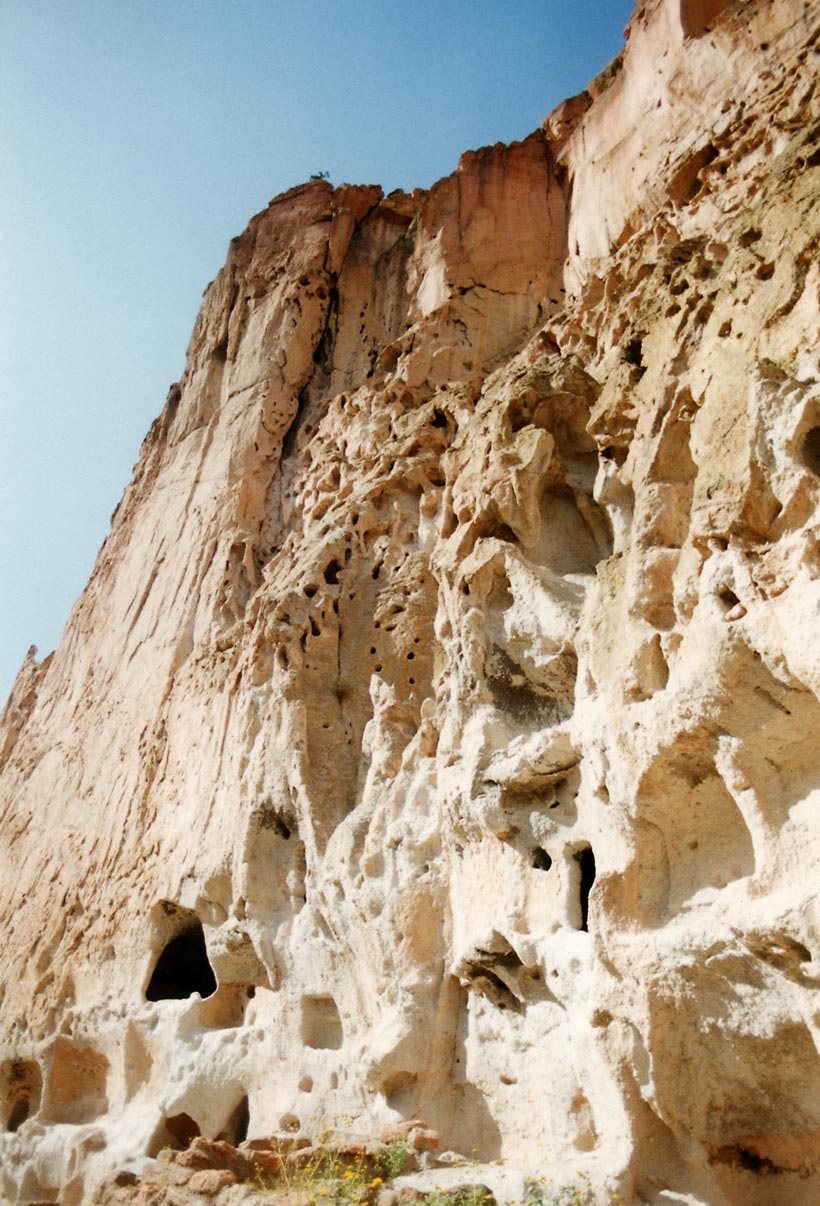
New Mexico, US
You might spot Tree Cholla, Mule Deer, and Sacred Datura.
View guide →
Take the discovery with you
Snap it with Snappit to identify it, learn what makes it special, and add the discovery to your collection.








.JPG&width=800)



.jpg&width=800)

