





Caspian Tern
Hydroprogne caspia
The Caspian Tern is a large, elegant bird with a sharp beak and a striking black cap on its head. It loves to fish and can often be seen diving into the water to catch its meals.
Habitat: Coastal areas
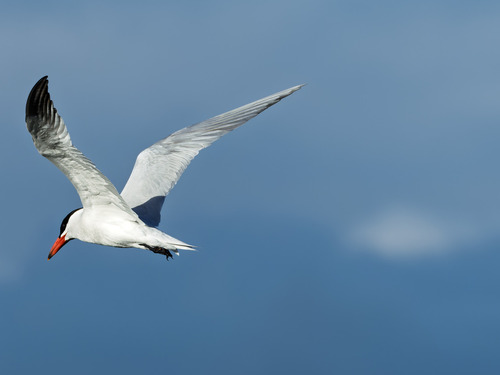
The Caspian Tern is the world's largest tern, easily recognized by its robust body and massive, bright red-orange bill. It sports a sleek black cap during breeding season, contrasting with its pale grey back and white underparts, making it stand out from smaller, daintier tern species.
Category
BirdsRarity
Common
Danger
1/5 · Very low
Snaps
15
Caspian Terns can spot tiny fish swimming from high in the sky!
Their massive orange bill looks just like a giant carrot!
These smart terns dig shallow scrapes in sandy ground for their nests!
They sometimes steal fish from other birds like gulls after a chase!
Caspian Tern can plunge-dive from high in the air to snatch fish because of its specialized vision and powerful muscles, helping them catch speedy prey.
Caspian Tern can navigate thousands of kilometers during migration because of its innate sense of direction and strong wings, helping them find food-rich wintering grounds.
Caspian Tern has a deep, barking call that helps them communicate loudly across noisy colonies and over vast open waters.
Caspian Terns are expert fish-catchers, diving headfirst to snatch their slippery prey from the water!
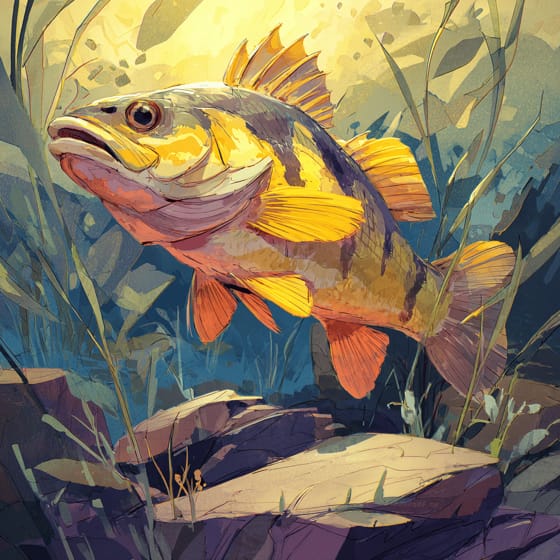
Perca flavescens
Common prey in freshwater habitats.

Clupea harengus
Important food source in marine environments.

Vulpes vulpes
May raid nests for eggs or chicks.
Larus argentatus
Opportunistically preys on tern eggs and chicks.
Feathered describes animals, primarily birds, possessing a covering of feathers.
Social animals live in organized groups, cooperating for survival benefits such as foraging, defense, and raising offspring.
Aerial creatures spend a significant portion of their lives airborne, utilizing flight for various activities such as hunting, migration, or nesting.
Piscivorous organisms are animals that primarily subsist on a diet of fish.

Coastal habitats are dynamic environments located along the interface between land and sea, influenced by tides, waves, and saltwater.

Diurnal animals are primarily active during daylight hours, typically resting or sleeping at night.

Describes a species whose presence and role have a disproportionately large effect on its environment.

This trait identifies organisms that exhibit exceptional swiftness in movement for hunting, escape, or travel.

Migratory animals undertake seasonal movements from one region to another, typically in response to changes in climate or food availability.
No aliases listed yet.
Danger
1/5 · Very low
If you see a bird like this, watch it from a distance so it feels safe.
The easiest way to identify Caspian Tern is to use the Snappit nature identifier app.
48-61 cm
127-140 cm
0.53-0.78 kg
15-20 years
70 km/h
Caspian Terns are expert fish-catchers, diving headfirst to snatch their slippery prey from the water!
Coastal areas
Zoom in to split clusters and explore where this object has been snapped.
Jun 7, 2026
Photo attribution
no rights reserved
License: CC0 1.0 ↗
Image may be shown cropped inside the card frame.

California, US
You might spot Snowy Egret, Great Blue Heron, and Willet.
View guide →

California, US
You might spot Largemouth Bass and Birdcage Evening Primrose.
View guide →

Wisconsin, US
You might spot Common Eastern Bumble Bee, Red-Belted Bumble Bee, and Duck.
View guide →

California, US
You might spot Greasewood, Osprey, and Alkali Fly.
View guide →

Michigan, US
You might spot Bald Eagle, American White Pelican, and Painted Turtle.
View guide →

California, US
You might spot Snowy Egret, Great Blue Heron, and Western Gull.
View guide →
Take the discovery with you
Snap it with Snappit to identify it, learn what makes it special, and add the discovery to your collection.




.jpg&width=800)








