





Chacoan Peccary
Catagonus wagneri
The Chacoan Peccary is a special pig-like animal that lives in the dry forests of South America. They have thick fur and love to dig in the ground for tasty roots and fruits.
Habitat: Dry forests
The Chacoan Peccary has coarse, bristly grayish-brown fur and a distinctive white collar stripe around its neck. Its head is proportionally larger than other peccaries, ending in a flexible, pig-like snout. They possess longer legs and smaller, erect ears, uniquely adapted for dry scrublands.
Category
MammalsRarity
Rare
Danger
2/5 · Low
Snaps
Be the first to snap!
Baby peccaries are strong, running with their group just hours after birth!
For decades, scientists thought the Chacoan Peccary was extinct, until it was rediscovered!
Their long tusks point down, unlike pigs whose tusks curve up!
These peccaries rub their scent glands on each other to form a unique, shared group smell!
Chacoan Peccary can rub scent glands on objects to mark its territory, which helps them communicate with other peccaries.
Chacoan Peccary has powerful teeth and jaws that help them chew tough, thorny desert plants like cacti.
Chacoan Peccary can sniff out underground water sources using its amazing sense of smell, helping them survive dry times.
Chacoan Peccary has a coarse, bristly coat that protects its skin from sharp thorns in its scrubland home.
They mainly munch on tough desert plants, especially cacti, using their strong jaws and teeth.
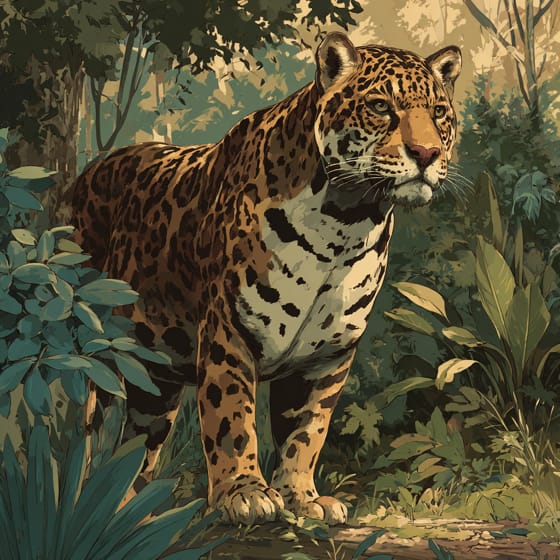
Panthera onca
Adult peccaries can be hunted by this apex predator.
Puma concolor
Pumas are known to prey on Chacoan Peccaries in their range.
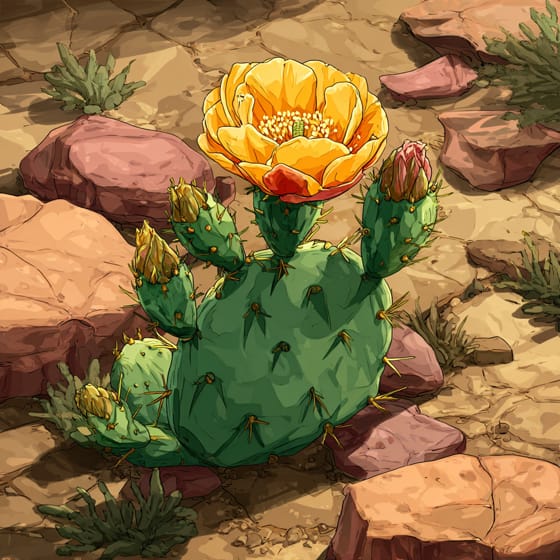
Opuntia ficus-indica
A primary food source, providing both food and water.
Aspidosperma quebracho-blanco
Provides shade and shelter in the harsh Chaco environment.
Furry describes animals possessing a dense covering of soft hair or fur.
Social animals live in organized groups, cooperating for survival benefits such as foraging, defense, and raising offspring.
This trait characterizes organisms whose diet consists entirely or primarily of plant material.
Forest habitats are terrestrial environments dominated by dense tree cover, supporting a high diversity of plant and animal life.

Describes a species whose presence and role have a disproportionately large effect on its environment.

This trait identifies organisms that exhibit exceptional swiftness in movement for hunting, escape, or travel.

Endangered status indicates a species is at a very high risk of extinction in the wild in the near future.
No aliases listed yet.
Danger
2/5 · Low
Always watch from a distance and do not try to touch wild animals.
The easiest way to identify Chacoan Peccary is to use the Snappit nature identifier app.
90-110 cm
29-42 kg
9-14 years
48 km/h
They mainly munch on tough desert plants, especially cacti, using their strong jaws and teeth.
Dry forests
Foraging
Zoom in to split clusters and explore where this object has been snapped.
Recent snaps will appear here as new observations are added.

California, US
You might spot Jaguar, Varecia Variegata Subcincta, and Red Ruffed Lemur.
View guide →

New York, US
You might spot Spectacled Bear, Sea Lion, and American Bison.
View guide →
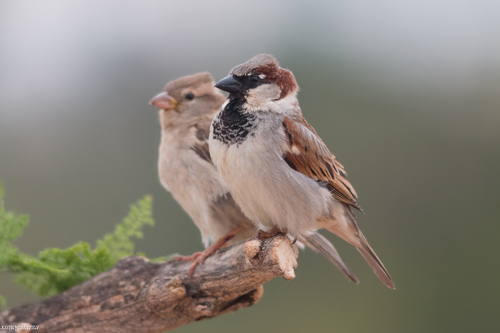
New York, US
You might spot House Sparrow, Paulownia, and Rock Pigeon.
View guide →
Take the discovery with you
Snap it with Snappit to identify it, learn what makes it special, and add the discovery to your collection.




.jpg&width=800)



.JPG&width=800)


.jpg&width=800)
