





Chilicothe
Marah macrocarpa
Chilicothe is a fun plant that grows long, twisting vines and big leaves. It loves to climb on other plants and can be found in sunny places. Its unique shape makes it look like it's having a party!
Habitat: Grasslands
The Chilicothe is a vigorous vine with large, deeply lobed, maple-like green leaves. It produces small, delicate creamy-white flowers and distinctive large, round, spiky green fruits that resemble a medieval weapon or a small sea mine.
Category
PlantsRarity
Common
Danger
2/5 · Low
Snaps
5
Despite its name, wild cucumber, it's not safe to eat like a regular cucumber.
It can grow incredibly fast after winter rains, covering fences in just weeks!
Its underground root can weigh as much as a small refrigerator!
The fruit pops open when ripe, scattering its large seeds with a surprise!
Chilicothe has a massive tuberous root that stores water and nutrients, helping it survive long, dry periods.
Chilicothe can quickly climb high using spiraling tendrils, helping it reach sunlight in dense vegetation.
Its fruits are covered in sharp spines that deter animals from easily eating the seeds inside.
Apis mellifera
Visits its small white flowers for nectar.

Bombus vosnesenskii
An important native pollinator of its early spring blooms.
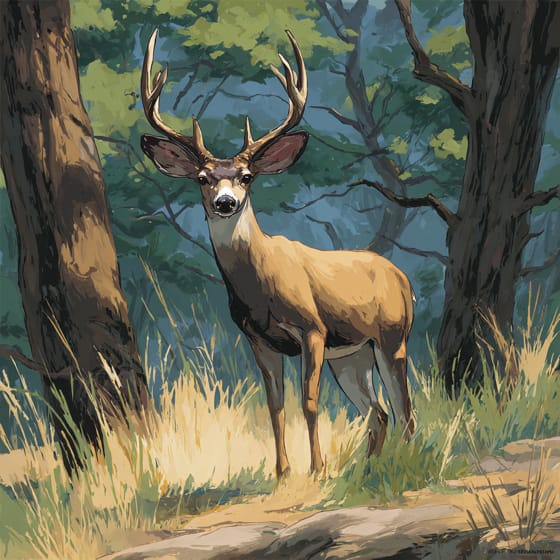
Odocoileus hemionus
May browse leaves, especially when other forage is scarce.
Climbing or vine plants are characterized by a growth habit that allows them to ascend upwards by twining, tendrils, or adhesive roots.
Deciduous plants periodically shed all their leaves, typically during autumn or dry seasons.
Flowering plants are any plants that produce flowers as part of their reproductive cycle.
Colorful describes organisms or objects displaying a wide range of bright and distinct colors.

Grassland habitats are terrestrial biomes dominated by grasses and herbaceous plants, supporting a variety of grazing animals.

Describes plants that are particularly attractive and beneficial to a wide range of pollinating organisms.

Rapid growing plants exhibit accelerated growth rates, quickly increasing in size and biomass within a short period.
Danger
2/5 · Low
Don't eat any part of the plant, as it can be harmful. Just enjoy looking at it!
The easiest way to identify Chilicothe is to use the Snappit nature identifier app.
300-1000 cm
200-500 cm
1-2.5 cm
Early spring
No
Moderate
Perennial
Zoom in to split clusters and explore where this object has been snapped.

California, US
You might spot Sunburst Anemone, Ochre Sea Star, and Striped Shore Crab.
View guide →

California, US
You might spot Hollyleaf Cherry, Toyon, and Lemonade Berry.
View guide →

California, US
You might spot Great Egret, Snowy Egret, and Savannah Sparrow.
View guide →

California, US
You might spot California Buckwheat, Chaparral Yucca, and White Sage.
View guide →

California, US
You might spot African Lion, Tiger, and Leopard.
View guide →
Take the discovery with you
Snap it with Snappit to identify it, learn what makes it special, and add the discovery to your collection.







.jpg&width=800)



_001.jpg&width=800)




