





common beargrass
Xerophyllum tenax
Common beargrass is a tall plant with long, grassy leaves and beautiful white flowers. It grows in sunny places and can be found in many forests and meadows.
Habitat: Forests
The common beargrass has stiff, grass-like leaves that form dense clumps, often growing up to a meter tall. In summer, it shoots up a tall stalk topped with a dense cluster of creamy-white, star-shaped flowers, making it stand out brightly in mountain meadows.
Category
PlantsRarity
Common
Danger
1/5 · Very low
Snaps
12
It only blooms every few years, but when it does, it produces thousands of tiny flowers!
It's not a true grass; it's a member of the lily family, despite its grassy appearance!
Its tall white flower stalks can sometimes grow taller than an adult person!
The plant was named 'beargrass' because bears are sometimes seen foraging near it!
Common beargrass can survive wildfires by resprouting from its deep rhizomes, helping it quickly recover and thrive in burned areas.
It has tough, waxy leaves and deep roots to conserve water, letting it survive in dry, sunny mountain habitats for a long time.
Its incredibly strong, fibrous leaves were historically used by indigenous peoples for crafting durable baskets, mats, and clothing.
Bombus occidentalis
visits flowers to collect nectar and pollen
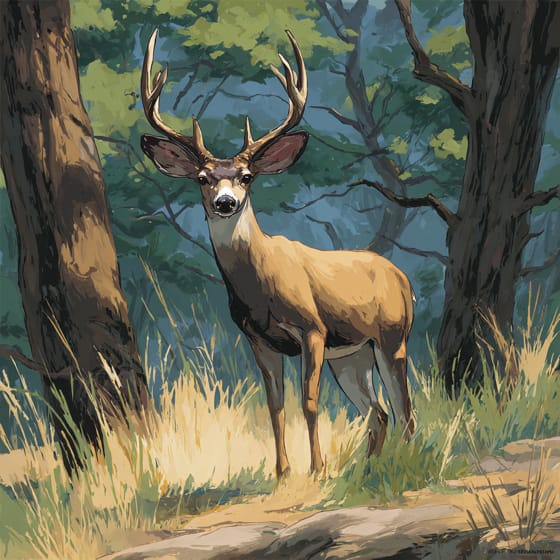
Odocoileus hemionus
occasionally browses its tough, fibrous leaves
Ursus americanus
may dig up and eat the starchy rhizomes
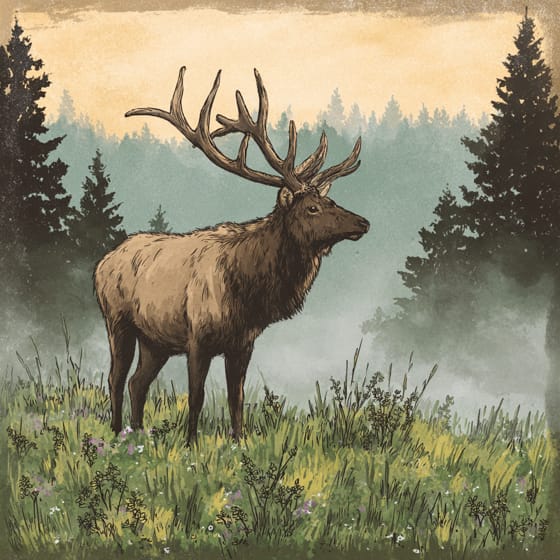
Cervus elaphus
sometimes feeds on its foliage in mountain meadows
Flowering plants are any plants that produce flowers as part of their reproductive cycle.
Grass-like plants are herbaceous plants that visually resemble true grasses, typically having long, narrow leaves.
Summer blooming plants produce their flowers during the summer season, often providing vibrant color when many other plants have finished.
Fragrant flowers emit a pleasant aroma, often to attract pollinators or for defense.

This human use trait identifies species that yield natural fibers, used by humans for textiles, rope, paper, and other manufactured goods.

Describes plants that are particularly attractive and beneficial to a wide range of pollinating organisms.

Forest habitats are terrestrial environments dominated by dense tree cover, supporting a high diversity of plant and animal life.
No aliases listed yet.
Danger
1/5 · Very low
Always look but don't touch wild plants unless an adult says it's safe.
The easiest way to identify common beargrass is to use the Snappit nature identifier app.
50-150 cm
30-60 cm
0.5-1 cm
Late spring to summer
No
None
Perennial
Zoom in to split clusters and explore where this object has been snapped.

Montana, US
You might spot Great Blanketflower and Seven-Spotted Lady Beetle.
View guide →

Montana, US
You might spot Bighorn Sheep and Mountain Goat.
View guide →

Montana, US
You might spot Black Bear, Brown Bear, and Moose.
View guide →

Montana, US
You might spot Field Crescent, Thimbleberry, and Baker's Mariposa Lily.
View guide →

Washington, US
You might spot Pacific Tree Frog, Pacific Banana Slug, and Salal.
View guide →

Montana, US
You might spot Thimbleberry, White-Tailed Deer, and Spreading Dogbane.
View guide →
Take the discovery with you
Snap it with Snappit to identify it, learn what makes it special, and add the discovery to your collection.







.jpg&width=800)


_001.jpg&width=800)




