





Dove's-foot crane's-bill
Geranium molle
Dove's-foot crane's-bill is a lovely little plant with soft, rounded leaves and pretty purple flowers. It often grows in gardens and grassy areas, making the world a bit brighter!
Habitat: Urban areas
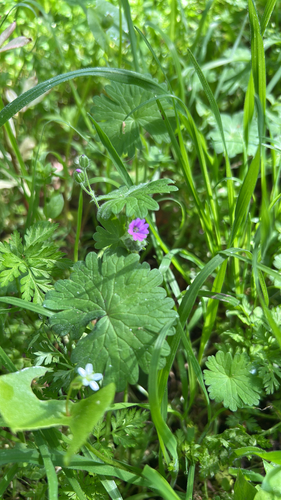
The Dove's-foot crane's-bill has small, deeply lobed, velvety green leaves often tinged reddish. Its dainty, five-petaled flowers are typically pale pink to purplish, with each petal notched at the tip, making them look heart-shaped.
Category
PlantsRarity
Common
Danger
1/5 · Very low
Snaps
6
Its name comes from its fruit, which looks like a crane's long beak!
The seeds burst from their pods like tiny catapults, sending them flying!
This tough little plant can grow almost anywhere, even through cracks in pavements!
You can eat its young leaves and flowers, even adding them to salads!
Dove's-foot crane's-bill can launch its tiny seeds far away when its dried fruit splits, helping it spread and find new places to grow.
Dove's-foot crane's-bill has soft, hairy stems and leaves that can deter hungry insects or help it retain precious water in dry conditions.
Dove's-foot crane's-bill can produce flowers over many months, increasing its chances of being pollinated and making lots of seeds.
Apis mellifera
Visits flowers for nectar and pollen.
Bombus terrestris
Helps spread pollen between plants.

Arion ater
Feeds on its leaves and stems.
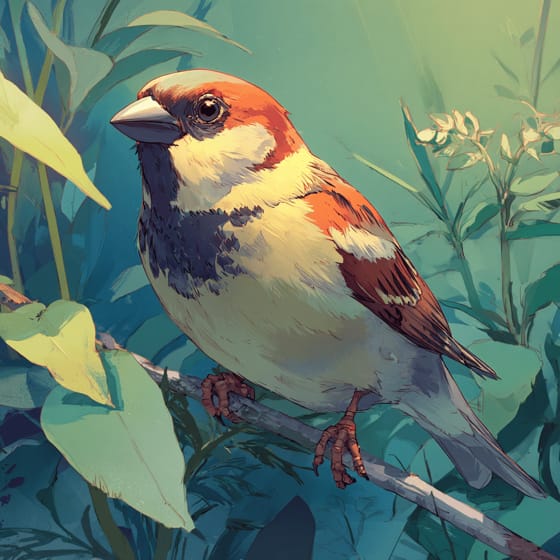
Passer domesticus
Eats its small, protein-rich seeds.
Furry describes animals possessing a dense covering of soft hair or fur.
Flowering plants are any plants that produce flowers as part of their reproductive cycle.
Ornamental plants are cultivated primarily for their aesthetic appeal, enhancing landscapes and gardens with their attractive foliage, flowers, or form.
Spring blooming plants produce their flowers during the spring season, often signifying the end of winter and the start of new growth.

Edible plants are those parts of a plant that are considered safe for human consumption.

Describes plants that are particularly attractive and beneficial to a wide range of pollinating organisms.

This habitat trait indicates species that can coexist with humans in urban and suburban environments, utilizing man-made structures and green spaces.
No aliases listed yet.
Danger
1/5 · Very low
Always check with an adult before touching or picking plants.
The easiest way to identify Dove's-foot crane's-bill is to use the Snappit nature identifier app.
10-40 cm
0.5-1.5 cm
Spring to Fall
Yes
None
Annual
Insect
Zoom in to split clusters and explore where this object has been snapped.
Mar 10, 2026
Alder Creek GrovePhoto attribution
(c) Corey Shake, some rights reserved (CC BY)
License: CC BY 4.0 ↗
Image may be shown cropped inside the card frame.

California, US
You might spot Sequoia, California Newt, and Pacific Dogwood.
View guide →

Virginia, US
You might spot Garlic Mustard, Spotted Lanternfly, and Bloodroot.
View guide →
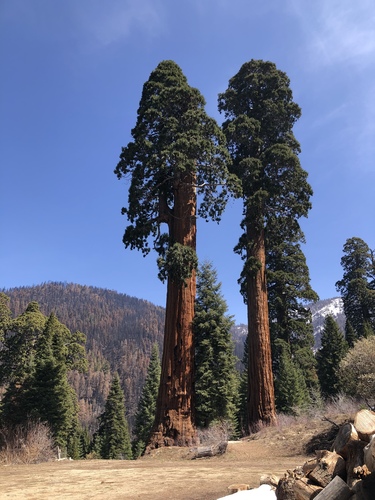
California, US
You might spot Sequoia, Mountain Misery, and Black Bear.
View guide →

California, US
You might spot California Scrub-Jay and Acorn Woodpecker.
View guide →

Maryland, US
You might spot Bluntnose Minnow and Eastern Blacknose Dace.
View guide →
.jpg)
Washington, US
You might spot American Crow, Redstem Stork's-Bill, and Dark-Eyed Junco.
View guide →
Take the discovery with you
Snap it with Snappit to identify it, learn what makes it special, and add the discovery to your collection.








.jpg&width=800)



_001.jpg&width=800)



