dusky smooth-hound
Mustelus canis
The dusky smooth-hound is a type of shark that has a smooth body and a friendly face. They are often found swimming in warm coastal waters and love to hunt for tasty fish and squid.
Habitat: Coastal areas
The dusky smooth-hound has a slender, greyish-brown body on top, fading to a lighter, sometimes white, belly. Its most distinctive features are its blunt, rounded snout and two dorsal fins of similar size, without any anal fin. Its skin feels smooth to the touch, unlike many other sharks.
Category
FishRarity
Common
Danger
2/5 · Low
Snaps
7
Its skeleton is made entirely of cartilage, not bone, making it super flexible!
The dusky smooth-hound gets its name because its skin feels smooth, not rough!
These sharks often travel in schools, sometimes numbering hundreds of individuals!
They can live in a wide range of water temperatures, from cool to warm seas!
Dusky smooth-hounds can find hidden prey by sensing weak electric fields with special pores on their snout, even in murky water.
Dusky smooth-hounds have flat, pavement-like teeth that help them crush hard-shelled prey like crabs and clams with ease.
Dusky smooth-hounds give birth to fully formed, live pups that are ready to swim and hunt immediately after birth.
This shark loves to munch on crabs, lobsters, and other tasty creatures with hard shells!
Age differences: Juveniles eat smaller invertebrates, while adults tackle larger crabs and molluscs.
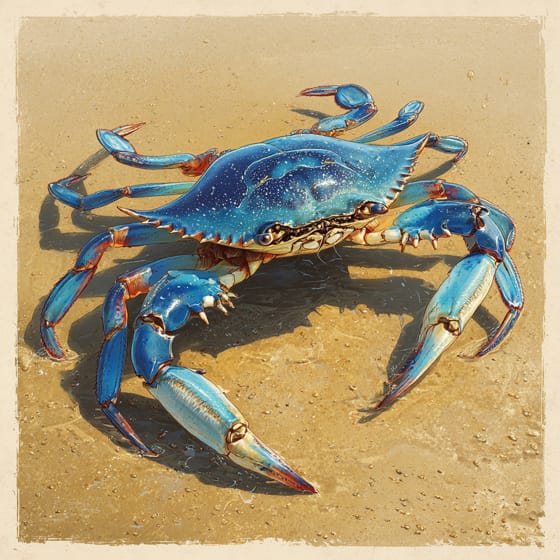
Callinectes sapidus
eats blue crabs, a primary food source on the seafloor.
Homarus americanus
eats American lobsters, an important part of its diet.

Carcharhinus leucas
eaten by larger predatory sharks like the bull shark.
Social animals live in organized groups, cooperating for survival benefits such as foraging, defense, and raising offspring.
Piscivorous organisms are animals that primarily subsist on a diet of fish.
Coastal habitats are dynamic environments located along the interface between land and sea, influenced by tides, waves, and saltwater.
This trait identifies organisms whose diet consists entirely or primarily of animal tissue.

Diurnal animals are primarily active during daylight hours, typically resting or sleeping at night.

Describes a species whose presence and role have a disproportionately large effect on its environment.

Marine habitats encompass all saltwater environments of the Earth's oceans, supporting an immense diversity of aquatic life.
No aliases listed yet.
Danger
2/5 · Low
Always stay safe by watching from the shore and never touch wild animals.
The easiest way to identify dusky smooth-hound is to use the Snappit nature identifier app.
70-150 cm
2-12 kg
10-16 years
This shark loves to munch on crabs, lobsters, and other tasty creatures with hard shells!
20 km/h
Coastal areas
Foraging
Zoom in to split clusters and explore where this object has been snapped.

Rhode Island, US
You might spot Rugosa Rose and American Herring Gull.
View guide →

New Jersey, US
You might spot Brant, Laughing Gull, and Great Black-Backed Gull.
View guide →

Rhode Island, US
You might spot Tundra Bean Goose, Tansy, and Osprey.
View guide →

US
You might spot Rugosa Rose and American Herring Gull.
View guide →

New York, US
You might spot African Penguin, Sea Otter, and Harbor Seal.
View guide →

Rhode Island, US
You might spot Common Eastern Bumble Bee and Rugosa Rose.
View guide →
Take the discovery with you
Snap it with Snappit to identify it, learn what makes it special, and add the discovery to your collection.