





dwarf larkspur
Delphinium tricorne
The dwarf larkspur is a beautiful little flower that grows close to the ground. It has lovely blue petals that attract butterflies and bees, making gardens colorful and lively.
Habitat: Grasslands
The dwarf larkspur has slender, erect stems topped with clusters of striking deep blue to violet-purple flowers, each featuring a prominent backward-pointing spur. Its leaves are deeply divided into three to five finger-like lobes, giving it a delicate, fern-like appearance.
Category
PlantsRarity
Common
Danger
2/5 · Low
Snaps
7
Each flower has a unique "spur" at the back, which is like a secret nectar treasure chest!
Its scientific name, Delphinium, means "dolphin" because the flower bud looks like a tiny dolphin!
Some species of larkspur were historically used to make blue dye, but never eaten!
These plants love to grow in the shade of tall trees, brightening up forest floors!
dwarf larkspur can produce nectar deep within its spurred flowers, guiding long-tongued insects like bumblebees to pollinate it effectively.
dwarf larkspur has a tuberous root system that stores energy, allowing it to survive harsh winters and re-emerge year after year.

Bombus bimaculatus
Gathers nectar and pollen
Apis mellifera
Collects nectar and pollen

Osmia lignaria
Collects pollen for larvae
Flowering plants are any plants that produce flowers as part of their reproductive cycle.
Spring blooming plants produce their flowers during the spring season, often signifying the end of winter and the start of new growth.
Fragrant flowers emit a pleasant aroma, often to attract pollinators or for defense.
Medicinal plants possess chemical compounds that can be used for therapeutic purposes to treat illnesses or maintain health.

Colorful describes organisms or objects displaying a wide range of bright and distinct colors.

Grassland habitats are terrestrial biomes dominated by grasses and herbaceous plants, supporting a variety of grazing animals.

Describes plants that are particularly attractive and beneficial to a wide range of pollinating organisms.

Pertaining to species that are significantly smaller than typical or average for their kind.
No aliases listed yet.
Danger
2/5 · Low
Always look but don't touch flowers without asking an adult, as some can be harmful.
The easiest way to identify dwarf larkspur is to use the Snappit nature identifier app.
30-90 cm
15-30 cm
2-3 cm
Spring to early summer
No
High
Perennial
Zoom in to split clusters and explore where this object has been snapped.

Missouri, US
You might spot Common Eastern Bumble Bee and Brown-Belted Bumble Bee.
View guide →
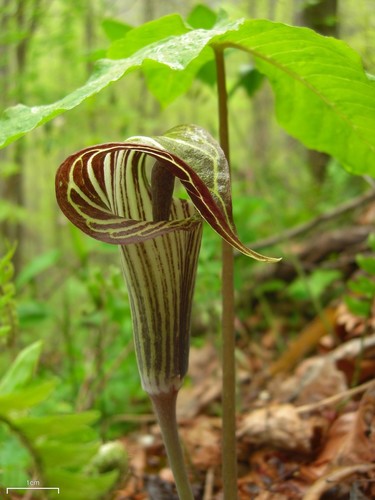
Kentucky, US
You might spot Jack-In-The-Pulpit and Prairie Trillium.
View guide →

Kentucky, US
You might spot Dwarf Larkspur, Amur Honeysuckle, and American Goldfinch.
View guide →

Tennessee, US
You might spot Cut-Leaved Toothwort, Virginia Bluebells, and Barred Owl.
View guide →
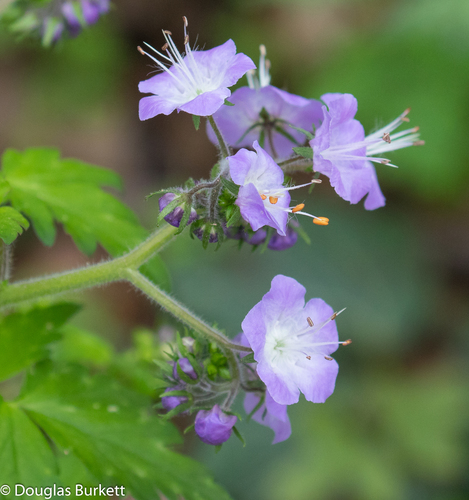
Kentucky, US
You might spot Purple Phacelia, Eastern Newt, and American Cancer-Root.
View guide →

Kentucky, US
You might spot Virginia Bluebells and Tall Bellflower.
View guide →
Take the discovery with you
Snap it with Snappit to identify it, learn what makes it special, and add the discovery to your collection.








.jpg&width=800)


_001.jpg&width=800)




