.jpg&width=800)





Eared Grebe
Podiceps nigricollis
The Eared Grebe is a small, beautiful bird known for its striking black neck and fluffy feathers. It loves to swim and dive in lakes and ponds, making it a fun sight for bird watchers!
Habitat: Wetlands
The Eared Grebe is a small, compact water bird with a slender neck. In breeding season, it has a black head and neck with distinctive golden-orange fan-shaped ear tufts and a bright red eye, contrasting with rusty flanks.
Category
BirdsRarity
Common
Danger
1/5 · Very low
Snaps
4
Baby grebes ride on their parents' backs, even when diving!
Sometimes, hundreds of thousands gather to migrate across continents!
Their legs are so far back, they can barely walk on land!
They clean their feathers using special oil from a gland near their tail!
Eared Grebe can dive deep underwater because of its powerful legs, helping them swiftly catch prey.
Eared Grebe eats its own feathers that helps protect its stomach lining from sharp fish bones.
Eared Grebe has special anchoring skills that helps them build floating nests tied to aquatic plants.
Eared Grebe can gather in huge groups for migration, helping them cross vast distances together.
These birds are expert divers, hunting small fish, aquatic insects, and tiny crustaceans underwater!
Age differences: Young are fed mostly insects by parents, gradually adding small fish and crustaceans to their diet.
Artemia salina
A primary food source in saline lakes.
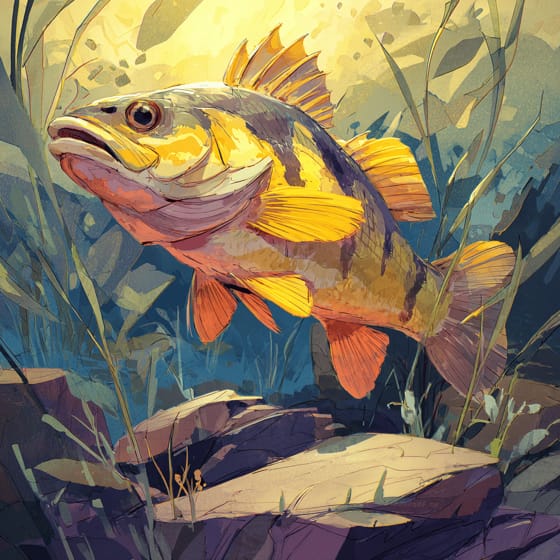
Perca flavescens
A prey item for adult grebes.

Haliaeetus leucocephalus
Predator of adult grebes.

Larus californicus
Preys on grebe eggs and chicks.
Typha latifolia
Used for anchoring floating nests.
Feathered describes animals, primarily birds, possessing a covering of feathers.
Characterized by having toes connected by a membrane, typically aiding in swimming.
Crested describes animals possessing a prominent tuft of feathers, hair, or skin on their head.
Social animals live in organized groups, cooperating for survival benefits such as foraging, defense, and raising offspring.

Colorful describes organisms or objects displaying a wide range of bright and distinct colors.

Piscivorous organisms are animals that primarily subsist on a diet of fish.

This habitat trait identifies species found in wetlands, which are areas of land saturated with water, either permanently or seasonally, including marshes, swamps, and bogs.

Aquatic habitats encompass environments where organisms live predominantly in water, including oceans, rivers, lakes, and wetlands.

Migratory animals undertake seasonal movements from one region to another, typically in response to changes in climate or food availability.

Threatened status denotes a species likely to become endangered in the foreseeable future without effective conservation interventions.
No aliases listed yet.
Danger
1/5 · Very low
Always watch birds from a distance so they feel safe and happy.
The easiest way to identify Eared Grebe is to use the Snappit nature identifier app.
28-34 cm
46-55 cm
0.25-0.4 kg
5-12 years
70 km/h
These birds are expert divers, hunting small fish, aquatic insects, and tiny crustaceans underwater!
Wetlands
Zoom in to split clusters and explore where this object has been snapped.

California, US
You might spot Snowy Egret, Great Blue Heron, and Willet.
View guide →

Idaho, US
You might spot Bald Eagle, Red-Tailed Hawk, and Rough-Legged Hawk.
View guide →

South Dakota, US
You might spot Bald Eagle, Canada Goose, and American Coot.
View guide →
Take the discovery with you
Snap it with Snappit to identify it, learn what makes it special, and add the discovery to your collection.




.jpg&width=800)








