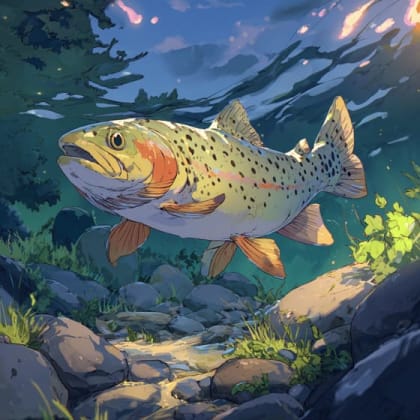
Eastern Blacknose Dace
rhinichthys atratulus
The Eastern Blacknose Dace is a small fish that loves to swim in cool streams and rivers. With its distinctive black stripe on its nose, it's easy to spot when it darts around rocks!
Habitat: Cool, clean streams and rivers with rocky bottoms.
The Eastern Blacknose Dace has a slender, torpedo-shaped body with a distinctive dark stripe running from its snout to its tail. Its back is typically mottled dark brown or olive, fading to a creamy white belly. Males often display reddish-orange fins and a bright stripe during breeding season.
Category
FishRarity
Common
Danger
0/5 · No known danger
Snaps
10
Males get a bright red 'nose' when it's time to find a partner!
Their scientific name means 'snout-fish' because of their pointed nose!
These tiny fish can survive even when streams get very low!
They love to build little nests by moving pebbles with their mouths!
Eastern Blacknose Dace has mottled dark patterns that help them blend perfectly with rocky stream beds, making them hard for predators to spot.
Eastern Blacknose Dace can sniff out tiny prey in murky water because of its keen sense of smell, located in its pointed nose.
Eastern Blacknose Dace can quickly dart away from danger because of its powerful tail fin, helping it escape hungry birds and bigger fish.
Eastern Blacknose Dace can develop bright red and orange colors during spring because these vibrant hues attract mates for spawning.
They eat tiny insects and larvae found on the stream bottom, sometimes even algae!
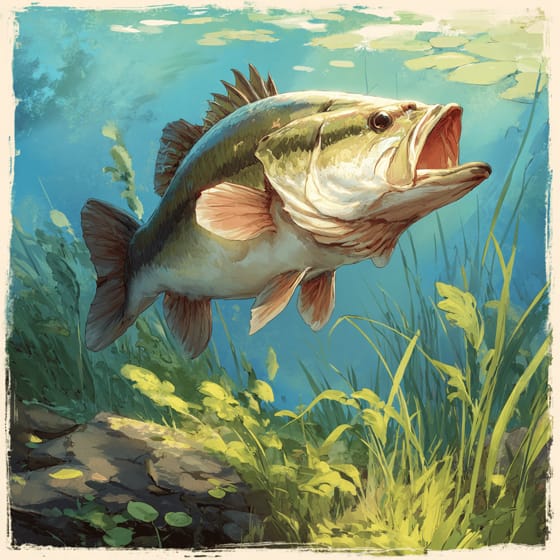
Micropterus salmoides
A common predator in their habitat.
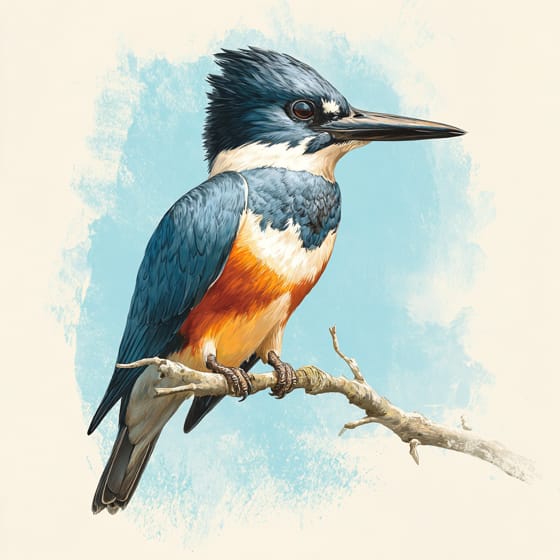
Megaceryle alcyon
These birds dive to catch dace from above.
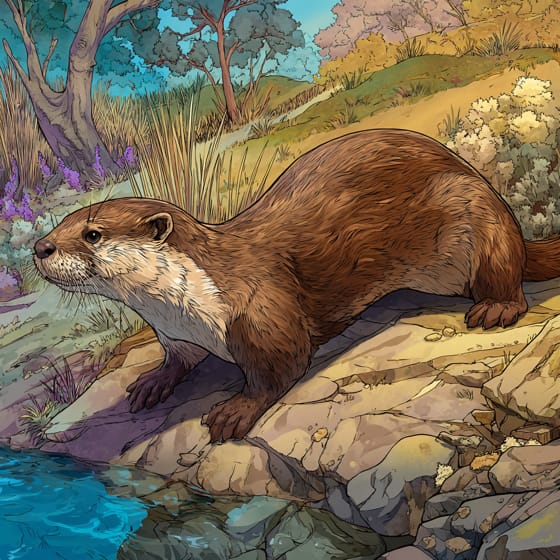
Lontra canadensis
Otters are active hunters in dace streams.
Stenonema modestum
Feeds on these common aquatic insect larvae.
Social animals live in organized groups, cooperating for survival benefits such as foraging, defense, and raising offspring.
Colorful describes organisms or objects displaying a wide range of bright and distinct colors.
This trait identifies organisms whose diet consists entirely or primarily of animal tissue.
Aquatic habitats encompass environments where organisms live predominantly in water, including oceans, rivers, lakes, and wetlands.
Danger
0/5 · No known danger
No special safety notes yet.
The easiest way to identify Eastern Blacknose Dace is to use the Snappit nature identifier app.
6-13 cm
0.002-0.015 kg
2-4 years
They eat tiny insects and larvae found on the stream bottom, sometimes even algae!
12 km/h
Cool, clean streams and rivers with rocky bottoms.
Foraging
Zoom in to split clusters and explore where this object has been snapped.

New Jersey, US
You might spot Common Mugwort and White-Tailed Deer.
View guide →

New York, US
You might spot White-Tailed Deer, Large White Trillium, and Garter Snake.
View guide →

Connecticut, US
You might spot Colt's-Foot, Pink Underwing, and Green Frog.
View guide →

Maryland, US
You might spot Bluntnose Minnow and Eastern Blacknose Dace.
View guide →

New Jersey, US
You might spot Lesser Celandine, Dame's Rocket, and Multiflora Rose.
View guide →

Maryland, US
You might spot American Tuliptree and Eastern Tiger Swallowtail.
View guide →
Take the discovery with you
Snap it with Snappit to identify it, learn what makes it special, and add the discovery to your collection.