





Eastern Giant Swallowtail
Heraclides cresphontes
The Eastern Giant Swallowtail is a beautiful butterfly with large yellow and black wings. It flutters gracefully in gardens and fields, making it a delightful sight for everyone!
Habitat: Urban areas
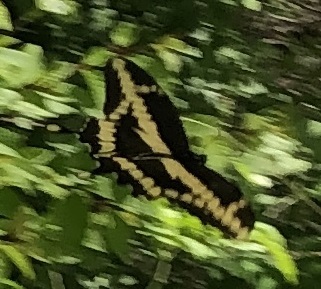
The Eastern Giant Swallowtail is a large black butterfly with bright yellow spots arranged in diagonal bands across its wings. Its hindwings have striking blue spots near the tails and distinct orange eye-spots. This pattern makes it visually distinct from smaller, less vibrantly marked swallowtails.
Category
InsectsRarity
Common
Danger
1/5 · Very low
Snaps
36
Adult butterflies can taste with their feet to find the best flowers for nectar!
Giant Swallowtails can migrate short distances, sometimes flying hundreds of miles!
Its caterpillars love to eat citrus leaves, making them garden pests!
Male swallowtails patrol high in trees looking for mates before swooping down!
Eastern Giant Swallowtail caterpillars can mimic bird droppings because of their mottled brown, white, and black coloration that helps them avoid predators.
Eastern Giant Swallowtail caterpillars have an osmeterium, a retractable orange Y-shaped gland, that helps them spray a foul-smelling chemical to deter attackers.
The Eastern Giant Swallowtail has a long proboscis, a straw-like tongue, that helps them reach deep nectar in flowers for energy.
Caterpillars munch on leaves, while adults sip sweet nectar from flowers for energy!
Age differences: Larvae (caterpillars) feed on host plant leaves, while adults exclusively drink flower nectar.
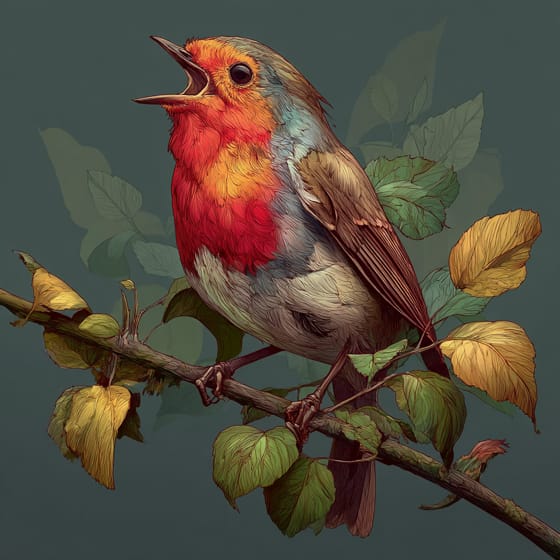
Turdus migratorius
Robins prey on both caterpillars and adult butterflies.
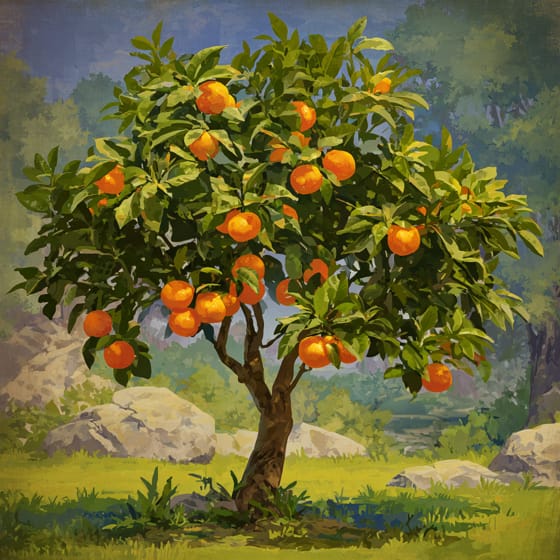
Citrus sinensis
Caterpillars eat the leaves of this tree for food and shelter.

Asclepias syriaca
Adult butterflies visit flowers for nectar, aiding in pollination.
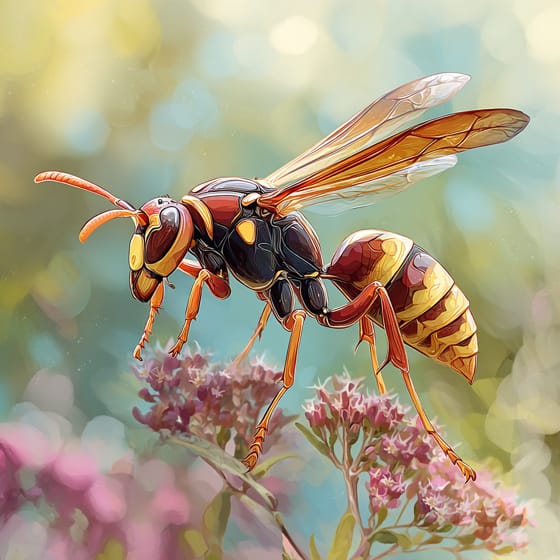
Polistes metricus
Wasps hunt and feed swallowtail caterpillars to their young.
Colorful describes organisms or objects displaying a wide range of bright and distinct colors.
This trait characterizes organisms whose diet consists entirely or primarily of plant material.
Describes plants that are particularly attractive and beneficial to a wide range of pollinating organisms.
Diurnal animals are primarily active during daylight hours, typically resting or sleeping at night.

Giant describes organisms or objects of significantly larger size than average for their species or type.

Migratory animals undertake seasonal movements from one region to another, typically in response to changes in climate or food availability.

This habitat trait indicates species that can coexist with humans in urban and suburban environments, utilizing man-made structures and green spaces.

Describes organisms that transfer pollen, enabling the fertilization and reproduction of plants.
Danger
1/5 · Very low
It's best to watch butterflies from a distance so they don't get scared.
The easiest way to identify Eastern Giant Swallowtail is to use the Snappit nature identifier app.
100-160 mm
30-40 mm
10-20 days
20 km/h
Caterpillars munch on leaves, while adults sip sweet nectar from flowers for energy!
Urban areas
Foraging
Zoom in to split clusters and explore where this object has been snapped.
Apr 26, 2026
Delphi Courthouse Square Historic DistrictPhoto attribution
(c) Y. Liu, some rights reserved (CC BY)
License: CC BY 4.0 ↗
Image may be shown cropped inside the card frame.

Michigan, US
You might spot Eastern Gray Squirrel, Tree-Of-Heaven, and House Sparrow.
View guide →

Alabama, US
You might spot Anole, Eastern Gray Squirrel, and Asian Lady Beetle.
View guide →

Florida, US
You might spot Atala, Monarch, and Brown Anole.
View guide →

Michigan, US
You might spot Monarch, Canada Goose, and Eastern Gray Squirrel.
View guide →

Arkansas, US
You might spot Widow's-Cross, Yucca Giant-Skipper, and Outis Skipper.
View guide →

Michigan, US
You might spot Monarch, Canada Goose, and Eastern Gray Squirrel.
View guide →
Take the discovery with you
Snap it with Snappit to identify it, learn what makes it special, and add the discovery to your collection.







.jpg&width=800)



