





Eastern Meadow Vole
Microtus pennsylvanicus
The Eastern Meadow Vole is a small, furry animal that loves to live in grassy fields. They are very good at hiding and can be found scurrying around in the grass.
Habitat: Grasslands
The Eastern Meadow Vole has a stocky body with dense, soft fur that is typically dark brown or grayish-brown on top, fading to lighter gray on its belly. It also has small, barely visible ears, tiny black eyes, and a short, scaly tail, distinguishing it from longer-tailed mice.
Category
MammalsRarity
Common
Danger
1/5 · Very low
Snaps
4
A single vole can eat its body weight in plants every single day!
Eastern Meadow Voles don't hibernate; they stay active even under winter snow!
They can hear sounds humans can't, helping them detect predators nearby!
Voles create "runways" through grass, like secret highways, to travel safely!
Eastern Meadow Voles can dig extensive underground tunnels because they have strong claws that help them create safe havens.
Eastern Meadow Voles can thrive on tough plant material because their ever-growing teeth help them continuously grind down fibrous foods.
Eastern Meadow Voles can have many litters each year that helps their populations rebound quickly.
These small rodents munch mainly on grasses and other green plants!
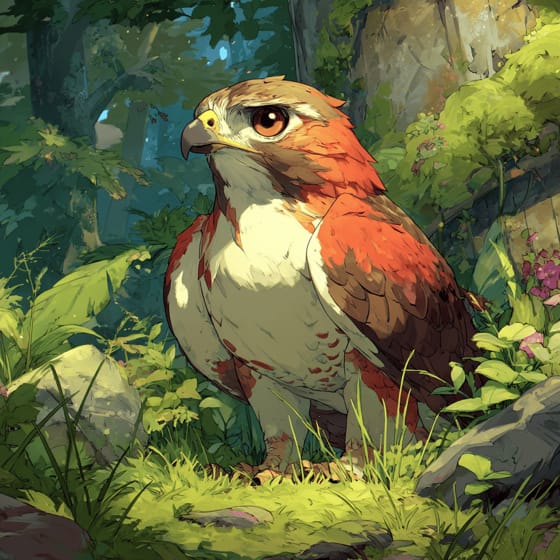
Buteo jamaicensis
Hawks frequently hunt voles in open fields.
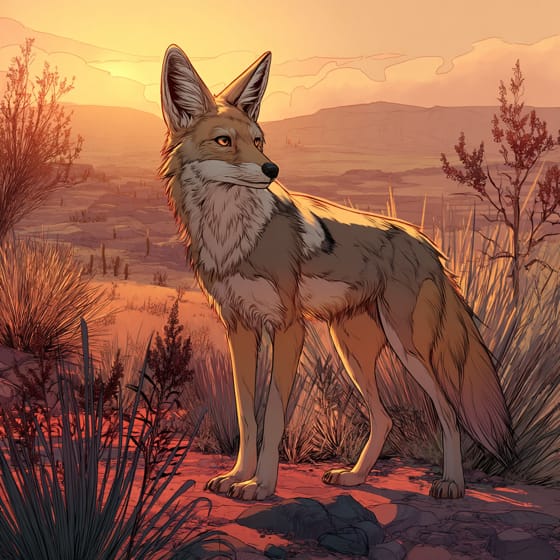
Canis latrans
Coyotes often prey on these small rodents.

Mustela frenata
Weasels are agile hunters that target voles.

Phleum pratense
Voles heavily graze on common meadow grasses.
Furry describes animals possessing a dense covering of soft hair or fur.
Social animals live in organized groups, cooperating for survival benefits such as foraging, defense, and raising offspring.
Burrowing animals dig tunnels and chambers in the ground, using these subterranean structures for shelter, hunting, or breeding.
Grassland habitats are terrestrial biomes dominated by grasses and herbaceous plants, supporting a variety of grazing animals.

This trait characterizes organisms whose diet consists entirely or primarily of plant material.

Nocturnal animals are primarily active during the nighttime hours, typically resting or sleeping during the day.
No aliases listed yet.
Danger
1/5 · Very low
If you see a vole, watch quietly from a distance and don't try to touch it.
The easiest way to identify Eastern Meadow Vole is to use the Snappit nature identifier app.
12-20 cm
0.02-0.07 kg
1-2 years
8 km/h
These small rodents munch mainly on grasses and other green plants!
Grasslands
Foraging
Zoom in to split clusters and explore where this object has been snapped.

Pennsylvania, US
You might spot Eastern Gray Squirrel and American Robin.
View guide →

Rhode Island, US
You might spot Azure Bluet, Eastern White Pine, and Mapleleaf Viburnum.
View guide →

Massachusetts, US
You might spot Atlantic Horseshoe Crab, Duck, and American Herring Gull.
View guide →

Maine, US
You might spot American Herring Gull and Himalayan Balsam.
View guide →

Maine, US
You might spot Himalayan Balsam, Snowy Egret, and New England Aster.
View guide →

Massachusetts, US
You might spot Crab, Lobster, and Horseshoe Crab.
View guide →
Take the discovery with you
Snap it with Snappit to identify it, learn what makes it special, and add the discovery to your collection.




.jpg&width=800)



.JPG&width=800)
.jpg&width=800)
