





Elegant Goldenrod
Solidago lepida
Elegant Goldenrod is a bright yellow flower that blooms in late summer and fall. It attracts butterflies and bees, making gardens lively and colorful!
Habitat: Grasslands
The Elegant Goldenrod has slender, upright stems topped with dense clusters of bright golden-yellow flowers that often form a pyramid or club-like shape. Its lance-shaped green leaves grow along the stem, creating a vibrant late-season display easily distinguished from other plants by its specific flower arrangement.
Category
PlantsRarity
Common
Danger
1/5 · Very low
Snaps
1
Despite its bright pollen, goldenrod rarely causes hay fever; ragweed is the real culprit!
Its leaves and flowers can be brewed into a tea, traditionally used for wellness and even soothing sore throats!
Native Americans used goldenrod flowers to make beautiful yellow dyes for fabrics and baskets!
Tiny insects can create cool, bumpy homes called galls right on the goldenrod's stems!
Elegant Goldenrod can spread widely using underground stems called rhizomes, helping it colonize new ground and thrive.
Elegant Goldenrod blooms late in the season, providing a crucial nectar and pollen source for insects when other flowers are scarce.
Elegant Goldenrod produces special compounds that can deter some herbivores, helping it protect its leaves from hungry creatures.
Bombus vosnesenskii
collects nectar and pollen, aiding reproduction.

Vanessa cardui
sips nectar from its abundant yellow flowers.

Odocoileus virginianus
browses on its leaves and tender shoots.
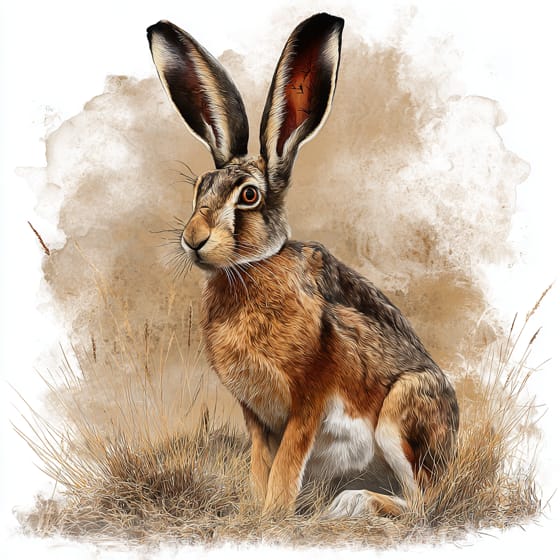
Lepus californicus
grazes on the foliage of the plant.
Flowering plants are any plants that produce flowers as part of their reproductive cycle.
Cluster flowers are inflorescences where individual flowers are arranged closely together on a common stem.
Summer blooming plants produce their flowers during the summer season, often providing vibrant color when many other plants have finished.
Colorful describes organisms or objects displaying a wide range of bright and distinct colors.

Edible plants are those parts of a plant that are considered safe for human consumption.

Grassland habitats are terrestrial biomes dominated by grasses and herbaceous plants, supporting a variety of grazing animals.

Describes plants that are particularly attractive and beneficial to a wide range of pollinating organisms.
No aliases listed yet.
Danger
1/5 · Very low
Always look but don't touch flowers without asking an adult.
The easiest way to identify Elegant Goldenrod is to use the Snappit nature identifier app.
50-120 cm
30-60 cm
0.3-0.5 cm
Late Summer to Fall
Yes
None
Perennial
Zoom in to split clusters and explore where this object has been snapped.
Take the discovery with you
Snap it with Snappit to identify it, learn what makes it special, and add the discovery to your collection.








.jpg&width=800)



_001.jpg&width=800)



