_03.jpg&width=800)





Ensatina
Ensatina eschscholtzii
Ensatinas are colorful little salamanders that live in damp places. They have smooth skin and can be found hiding under rocks or logs in the forest.
Habitat: Forests
The Ensatina is a medium-sized salamander with smooth, moist skin, typically reddish-brown or orange, often with dark spots or blotches. It has prominent eyes and a distinctive constriction at the base of its tail, helping it detach easily.
Category
AmphibiansRarity
Common
Danger
1/5 · Very low
Snaps
10
Instead of tadpoles, ensatina eggs hatch directly into tiny, fully formed salamanders!
Some ensatinas perfectly copy toxic newts, tricking predators into thinking they are dangerous!
These salamanders are amazing architects, digging burrows for safety and cool, damp shelter.
They use their tongues like sticky harpoons to snatch up tiny insects and worms for dinner!
Ensatina has special glands that release a sticky, milky toxin when threatened, making it unappetizing to predators.
Ensatina can detach its tail to distract predators, wiggling after separation to draw attention away from the escape.
Ensatinas are small hunters, gobbling up tiny creepy crawlies they find on the forest floor.
Thamnophis sirtalis
A common snake that preys on salamanders.
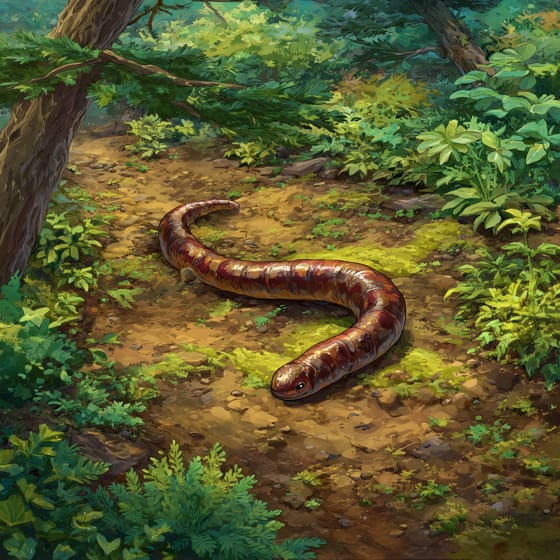
Lumbricus terrestris
Actively searches for this juicy prey in soil.

Arion ater
A slow-moving meal found among leaf litter.

Mustela frenata
Sometimes eaten by this quick forest hunter.
Solitary animals live alone for most of their lives, only interacting with others for mating or parental care.
Camouflaged describes organisms that possess coloring or patterns that allow them to blend into their environment.
Colorful describes organisms or objects displaying a wide range of bright and distinct colors.
This trait identifies organisms whose diet primarily consists of insects and other small invertebrates.

Forest habitats are terrestrial environments dominated by dense tree cover, supporting a high diversity of plant and animal life.

Regenerative organisms possess the ability to regrow lost or damaged body parts, tissues, or organs.

Toxic organisms contain substances that are poisonous and can cause adverse effects upon exposure.

Nocturnal animals are primarily active during the nighttime hours, typically resting or sleeping during the day.

Endangered status indicates a species is at a very high risk of extinction in the wild in the near future.
No aliases listed yet.
Danger
1/5 · Very low
Always wash your hands after touching any wild animals.
The easiest way to identify Ensatina is to use the Snappit nature identifier app.
7-15 cm
0.005-0.02 kg
10-15 years
0.05 km/h
Ensatinas are small hunters, gobbling up tiny creepy crawlies they find on the forest floor.
Forests
Foraging
Zoom in to split clusters and explore where this object has been snapped.

Oregon, US
You might spot Duck, Pacific Trillium, and Wood Duck.
View guide →

Oregon, US
You might spot Rough-Skinned Newt and Isabella Tiger Moth.
View guide →

California, US
You might spot Pacific Banana Slug and Ensatina.
View guide →

Oregon, US
You might spot Rough-Skinned Newt and Northern Red-Legged Frog.
View guide →

California, US
You might spot Pacific Banana Slug and Pacific Trillium.
View guide →

Oregon, US
You might spot Green Alkanet, Western Sword Fern, and Pacific Banana Slug.
View guide →
Take the discovery with you
Snap it with Snappit to identify it, learn what makes it special, and add the discovery to your collection.






.JPG&width=800)


.jpg&width=800)

