





Evening Bats
Vespertilionidae
Evening bats are small, flying mammals that come out at night. They help keep the insect population down by eating bugs while they fly around in the dark.
Habitat: Forests
The Evening Bats typically have small bodies covered in soft, often dull brown or gray fur. They feature simple faces without elaborate nose leaves and possess broad, leathery wings that are usually dark-colored.
Category
MammalsRarity
Common
Danger
1/5 · Very low
Snaps
Be the first to snap!
Evening bats can hear sounds too high for humans to even detect!
Many evening bats migrate thousands of kilometers, like tiny flying adventurers!
Some tiny evening bats are no bigger than your thumb, yet they can fly!
They are super important pest controllers, helping farmers by eating crop-munching bugs.
Evening Bats can "see" in the dark using echolocation, emitting sounds that bounce off objects, helping them hunt.
Evening Bats have highly flexible wings that allow for agile, swooping flight, helping them chase fast-moving insects mid-air.
Evening Bats possess specialized claws on their feet that allow them to hang upside down effortlessly for rest and sleep.
These small night flyers are expert bug-eaters, helping control insect populations.
Furry describes animals possessing a dense covering of soft hair or fur.
Solitary animals live alone for most of their lives, only interacting with others for mating or parental care.
Aerial creatures spend a significant portion of their lives airborne, utilizing flight for various activities such as hunting, migration, or nesting.
This trait identifies organisms whose diet primarily consists of insects and other small invertebrates.

Echolocation is a biological sonar used by animals to navigate, hunt, and communicate by emitting sound waves and interpreting the echoes.

Forest habitats are terrestrial environments dominated by dense tree cover, supporting a high diversity of plant and animal life.

This trait identifies organisms that exhibit exceptional swiftness in movement for hunting, escape, or travel.

Nocturnal animals are primarily active during the nighttime hours, typically resting or sleeping during the day.
Danger
1/5 · Very low
Bats are usually not dangerous, but it's best to watch them from a distance.
The easiest way to identify Evening Bats is to use the Snappit nature identifier app.
4-8 cm
20-35 cm
0.005-0.02 kg
6-20 years
30 km/h
These small night flyers are expert bug-eaters, helping control insect populations.
Forests
Zoom in to split clusters and explore where this object has been snapped.
Recent snaps will appear here as new observations are added.

Pennsylvania, US
You might spot American Robin, Kentucky Yellowwood, and Kousa Dogwood.
View guide →

British Columbia, CA
You might spot Greater Yellowlegs and Glaucous-Winged Gull.
View guide →
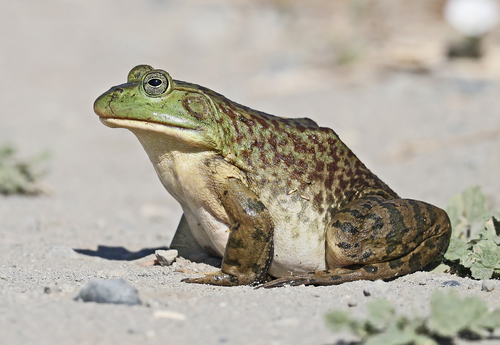
British Columbia, CA
You might spot American Bullfrog, Salal, and Garter Snake.
View guide →
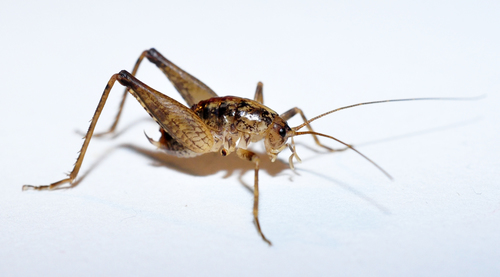
British Columbia, CA
You might spot Pristoceuthophilus Celatus.
View guide →
Take the discovery with you
Snap it with Snappit to identify it, learn what makes it special, and add the discovery to your collection.




_Female_Dos.jpg&width=800)
.jpg&width=800)


.JPG&width=800)



.jpg&width=800)
