




field penny-cress
Thlaspi arvense
Field penny-cress is a small plant with round, flat seed pods. It grows in fields and gardens, and its pretty white flowers attract bees and butterflies.
Habitat: Grasslands
The field penny-cress has small white four-petaled flowers clustered at the stem's top. Its most distinctive feature is the flat, circular, winged seed pods, resembling tiny green or reddish-brown coins. The leaves are toothed, clasping the stem, giving it a somewhat bushy appearance.
Category
PlantsRarity
Common
Danger
1/5 · Very low
Snaps
18
Early settlers used its peppery leaves to spice up their food and salads!
Even though it looks wild, penny-cress is a cousin to your broccoli, kale, and cabbage!
Scientists are studying penny-cress seeds to make sustainable jet fuel and biodiesel for vehicles!
The plant got its 'penny-cress' name because its flat seed pods look like old silver pennies!
Its seeds can sprout and grow in chilly weather, giving it a head start over other plants in early spring.
This plant can soak up heavy metals from the soil, acting like a natural cleaner for contaminated land.
Field penny-cress can produce thousands of seeds that remain viable in the soil for many years.
Plutella xylostella
Larvae feed on its leaves.
Bombus terrestris
Visits its flowers for nectar and pollen.
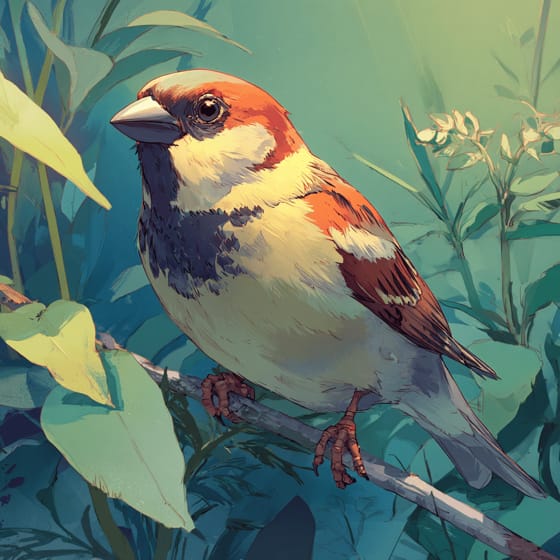
Passer domesticus
Feeds on its abundant seeds.
Flowering plants are any plants that produce flowers as part of their reproductive cycle.
Describes organisms capable of converting atmospheric nitrogen into compounds usable by plants.
Biennial plants complete their life cycle over two growing seasons, typically forming foliage in the first year and flowering/seeding in the second.
This human use trait describes species cultivated or domesticated by humans for agricultural purposes, including crops and livestock.

Edible plants are those parts of a plant that are considered safe for human consumption.

Grassland habitats are terrestrial biomes dominated by grasses and herbaceous plants, supporting a variety of grazing animals.

Describes plants that are particularly attractive and beneficial to a wide range of pollinating organisms.

Rapid growing plants exhibit accelerated growth rates, quickly increasing in size and biomass within a short period.

This habitat trait indicates species that can coexist with humans in urban and suburban environments, utilizing man-made structures and green spaces.
No aliases listed yet.
Danger
1/5 · Very low
Always look but don't touch plants without asking an adult first.
The easiest way to identify field penny-cress is to use the Snappit nature identifier app.
10-60 cm
10-30 cm
0.2-0.4 cm
Spring to fall
Yes
None
Annual
Zoom in to split clusters and explore where this object has been snapped.

Missouri, US
You might spot Common Eastern Bumble Bee and Brown-Belted Bumble Bee.
View guide →

Illinois, US
You might spot Osage-Orange, Cutleaf Teasel, and Red Clover.
View guide →

Wyoming, US
You might spot Moose, Uinta Ground Squirrel, and American Bison.
View guide →

Wyoming, US
You might spot Moose, Arrowleaf Balsamroot, and Black Bear.
View guide →

Wisconsin, US
You might spot Duck, Turkey, and Sandhill Crane.
View guide →

Colorado, US
You might spot Black-Billed Magpie, Fireweed, and Common Cowparsnip.
View guide →
Take the discovery with you
Snap it with Snappit to identify it, learn what makes it special, and add the discovery to your collection.








.jpg&width=800)



_001.jpg&width=800)



