





giant otter
Pteronura brasiliensis
Giant otters are playful animals that live in rivers and lakes in South America. They are known for their loud barks and love to swim together as a family.
Habitat: Wetlands
The giant otter has sleek dark brown fur with a unique creamy or white patch on its throat, which is different for every individual. It also has a long, powerful, flattened tail and fully webbed feet, giving it a distinctive appearance.
Category
MammalsRarity
Common
Danger
2/5 · Low
Snaps
Be the first to snap!
Each giant otter has a unique throat pattern, like a human fingerprint!
Giant otters are sometimes called 'river wolves' due to their social hunting.
They are the longest members of the weasel family, reaching up to 6 feet long!
They make over 22 different sounds to communicate with their family group!
The giant otter can swim super fast because of its streamlined body and powerful, flattened tail that helps it propel through water.
The giant otter has clear membranes over its eyes that allow it to see clearly and hunt efficiently underwater.
Giant otters can hunt together in groups, which helps them catch larger and faster prey like big fish or even small caimans.
Giant otters are expert fish hunters, but they also enjoy crabs and other small water creatures!
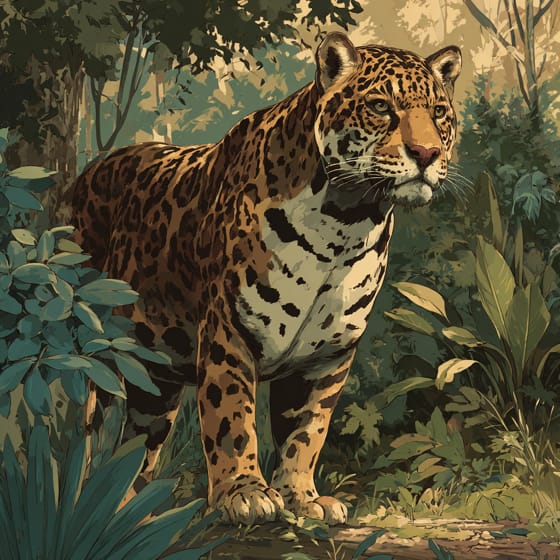
Panthera onca
Jaguars sometimes prey on giant otters near riverbanks.
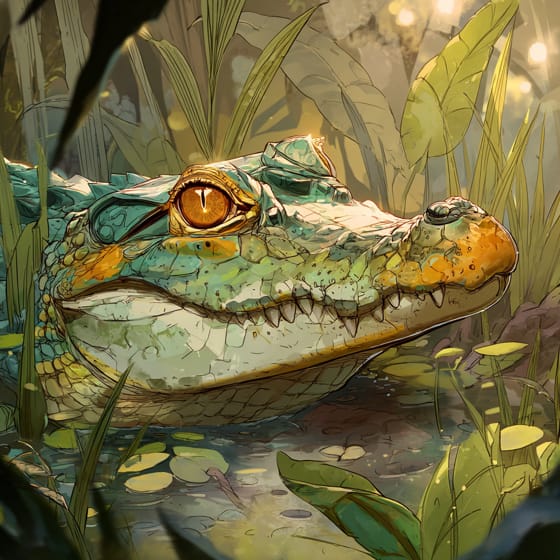
Caiman crocodilus
Giant otters occasionally hunt young spectacled caimans.
Cichla temensis
Giant otters frequently hunt large peacock bass in rivers.
Pimelodus maculatus
Catfish are a common food source for giant otters.
Furry describes animals possessing a dense covering of soft hair or fur.
Characterized by having toes connected by a membrane, typically aiding in swimming.
Social animals live in organized groups, cooperating for survival benefits such as foraging, defense, and raising offspring.
Piscivorous organisms are animals that primarily subsist on a diet of fish.

This habitat trait identifies species found in wetlands, which are areas of land saturated with water, either permanently or seasonally, including marshes, swamps, and bogs.

Diurnal animals are primarily active during daylight hours, typically resting or sleeping at night.

Freshwater habitats include non-saline aquatic environments such as rivers, lakes, ponds, and wetlands, vital for numerous species.

Describes a species whose presence and role have a disproportionately large effect on its environment.

This trait identifies organisms that exhibit exceptional swiftness in movement for hunting, escape, or travel.

Aquatic habitats encompass environments where organisms live predominantly in water, including oceans, rivers, lakes, and wetlands.

Endangered status indicates a species is at a very high risk of extinction in the wild in the near future.
No aliases listed yet.
Danger
2/5 · Low
Always watch from a distance and do not disturb wild animals like otters.
The easiest way to identify giant otter is to use the Snappit nature identifier app.
150-180 cm
15-32 kg
8-10 years
12 km/h
Giant otters are expert fish hunters, but they also enjoy crabs and other small water creatures!
Wetlands
Pursuit
Zoom in to split clusters and explore where this object has been snapped.
Recent snaps will appear here as new observations are added.
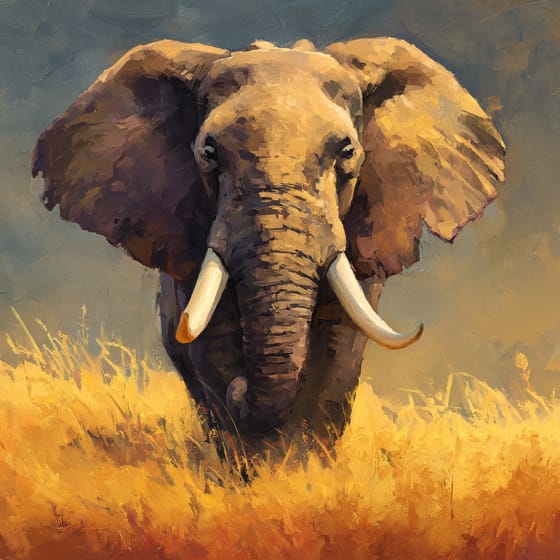
Alabama, US
You might spot African Elephant and Reticulated Giraffe.
View guide →
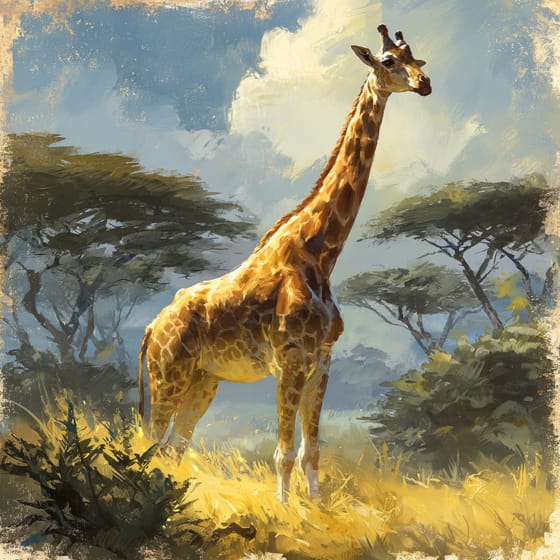
Florida, US
You might spot Giraffes, Rhinoceroses, and Zebra.
View guide →

North Rhine-Westphalia, DE
You might spot Giant Anteaters, Angolan Giraffe, and Giant Otter.
View guide →
California, US
You might spot Gorilla, Asian Elephant, and Chimpanzee.
View guide →
Take the discovery with you
Snap it with Snappit to identify it, learn what makes it special, and add the discovery to your collection.




.jpg&width=800)


.JPG&width=800)



.jpg&width=800)
